Technical documentation is only as valuable as the processes used to create and maintain it. As engineering projects become more complex, manufacturers need documentation that is consistent, accurate and easy to update throughout the product lifecycle.
This is where documentation standards play an important role. Rather than prescribing how every manual should be written, many standards provide structured approaches that help organisations organise information, improve consistency and support multiple outputs from the same source content.
In this guide, we’ll explore some of the best-known technical documentation standards, explain why they matter, and look at how manufacturers can choose an approach that suits their products, customers and documentation requirements.

Technical documentation often involves multiple authors, engineering teams, reviewers and product specialists working together over many years. Without agreed standards, documentation can quickly become inconsistent, making it harder to maintain and more difficult for users to navigate.
Documentation standards provide a structured framework for organising technical information. They encourage consistency in terminology, document structure and content reuse, helping manufacturers produce documentation that is easier to update as products evolve.
Implementing recognised standards can also improve collaboration across departments by ensuring everyone follows the same documentation principles.
For organisations managing multiple product variants or extensive documentation libraries, these benefits become increasingly valuable over time.
Several established standards and frameworks are widely used within engineering and manufacturing. Each has been developed to solve different documentation challenges, so there is rarely a single solution that suits every organisation.
S1000D is widely recognised within aerospace, defence and other industries that require highly structured technical publications. It uses modular XML-based content to improve consistency and simplify updates across large documentation sets.
DITA (Darwin Information Typing Architecture) is another XML-based framework designed around reusable topics. It enables organisations to publish information in multiple formats while maintaining a single source of truth.
Many manufacturers also develop internal documentation standards that define writing style, terminology, illustration requirements, review processes and document templates. These internal standards often complement wider industry frameworks rather than replacing them.
The right choice depends on factors such as product complexity, regulatory requirements, documentation volume and long-term maintenance needs.
We help engineering businesses turn complex information into clear, accurate documentation.
Selecting a documentation standard should begin with understanding how technical information is created, maintained and used within your organisation.
Questions worth considering include:
For some manufacturers, a straightforward document management process may be sufficient. Others with complex product ranges and extensive publication requirements may benefit from structured authoring and modular content approaches that reduce duplication and improve long-term efficiency.
The objective should always be to adopt a framework that supports the organisation’s documentation strategy rather than introducing unnecessary complexity.
Adopting a recognised documentation standard does not automatically guarantee high-quality technical publications. Successful documentation still depends on accurate engineering information, experienced technical authors and robust review procedures.
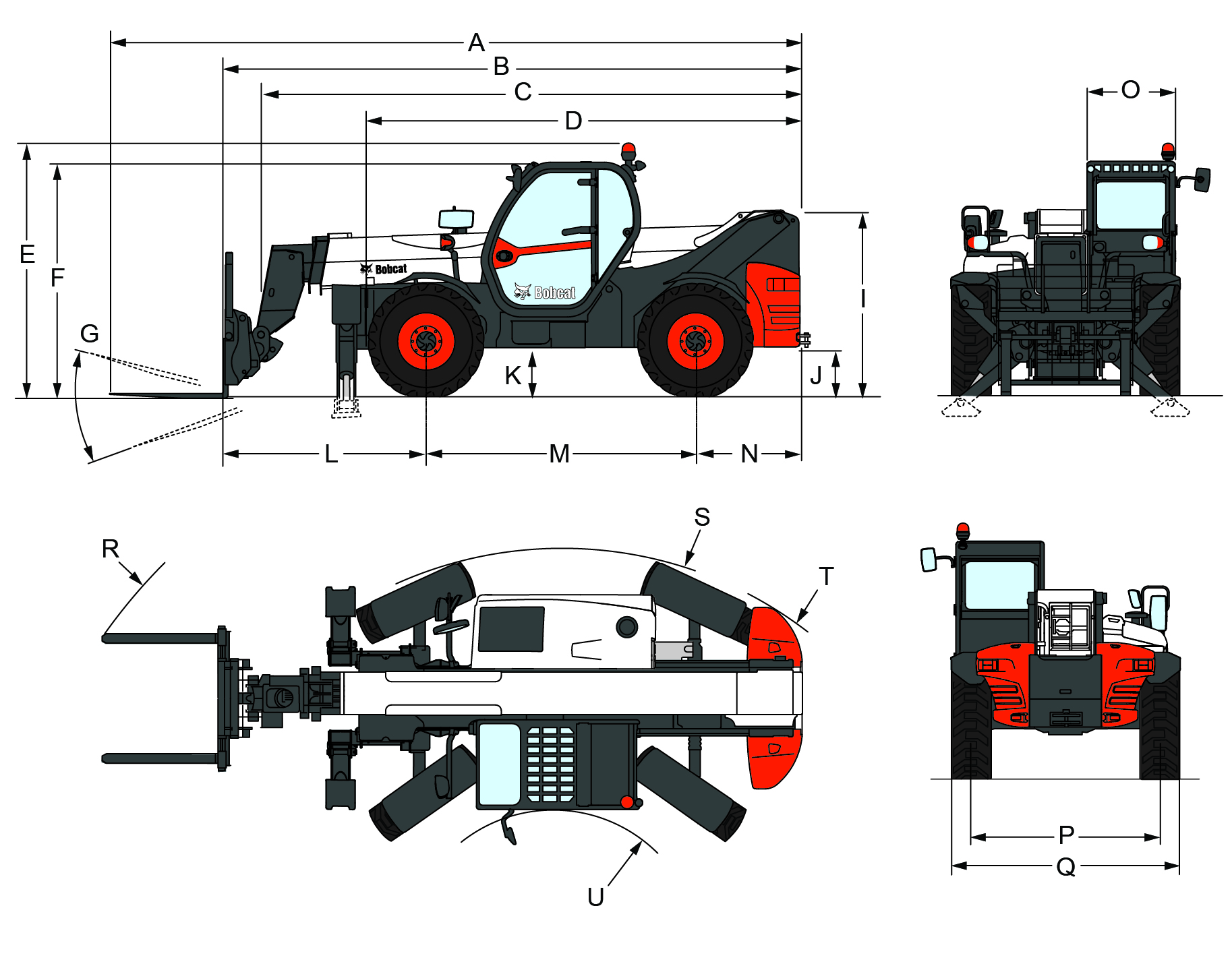
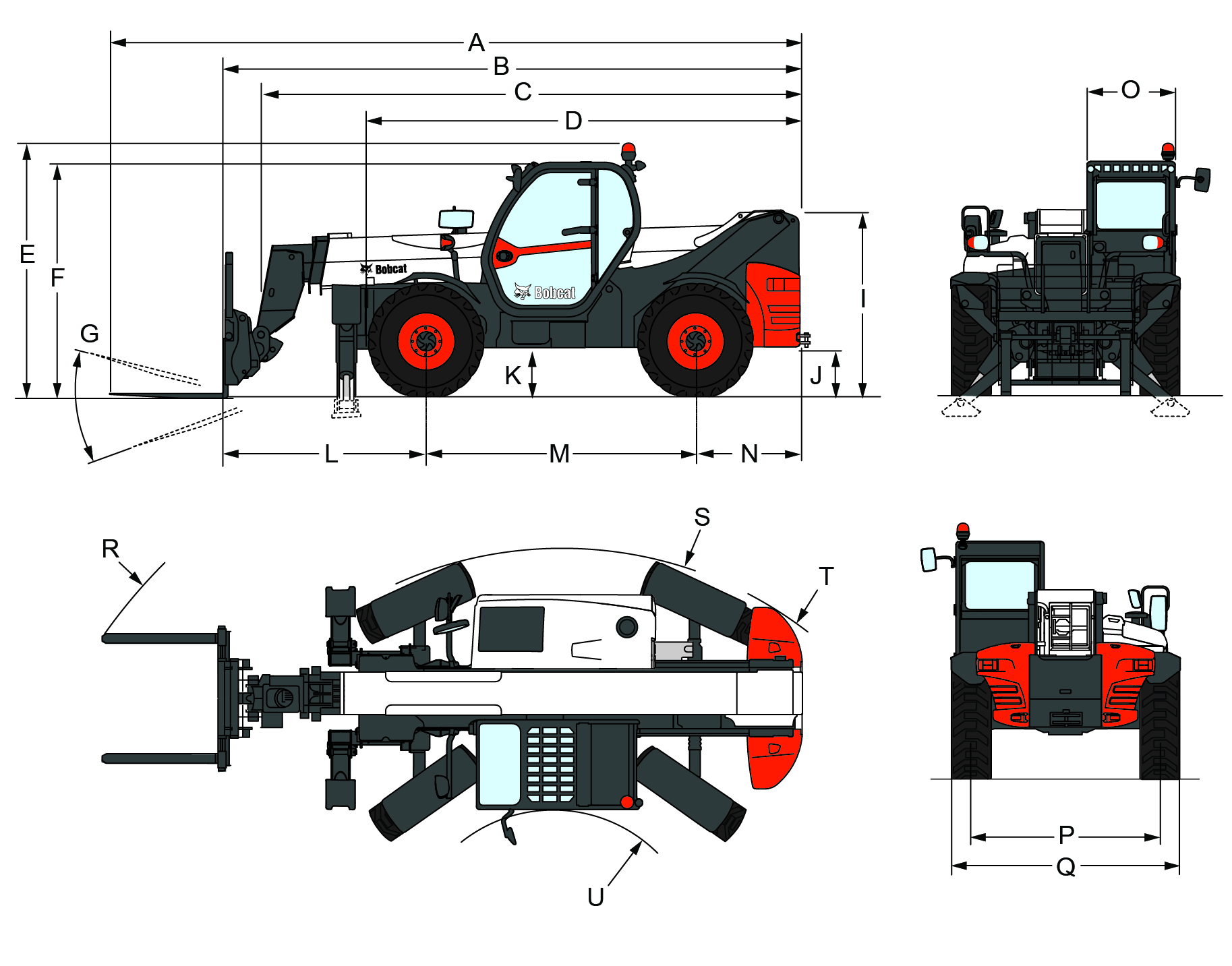
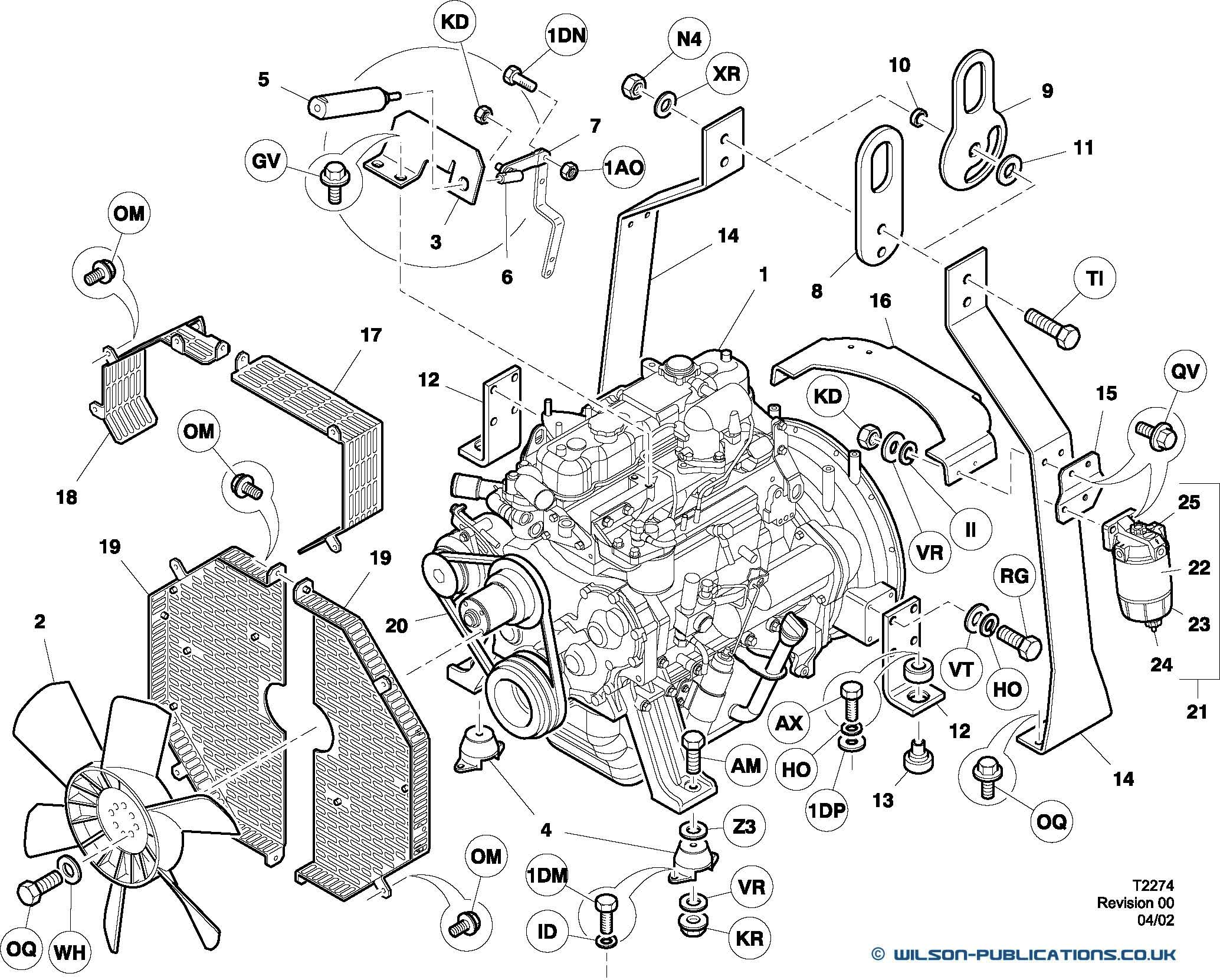
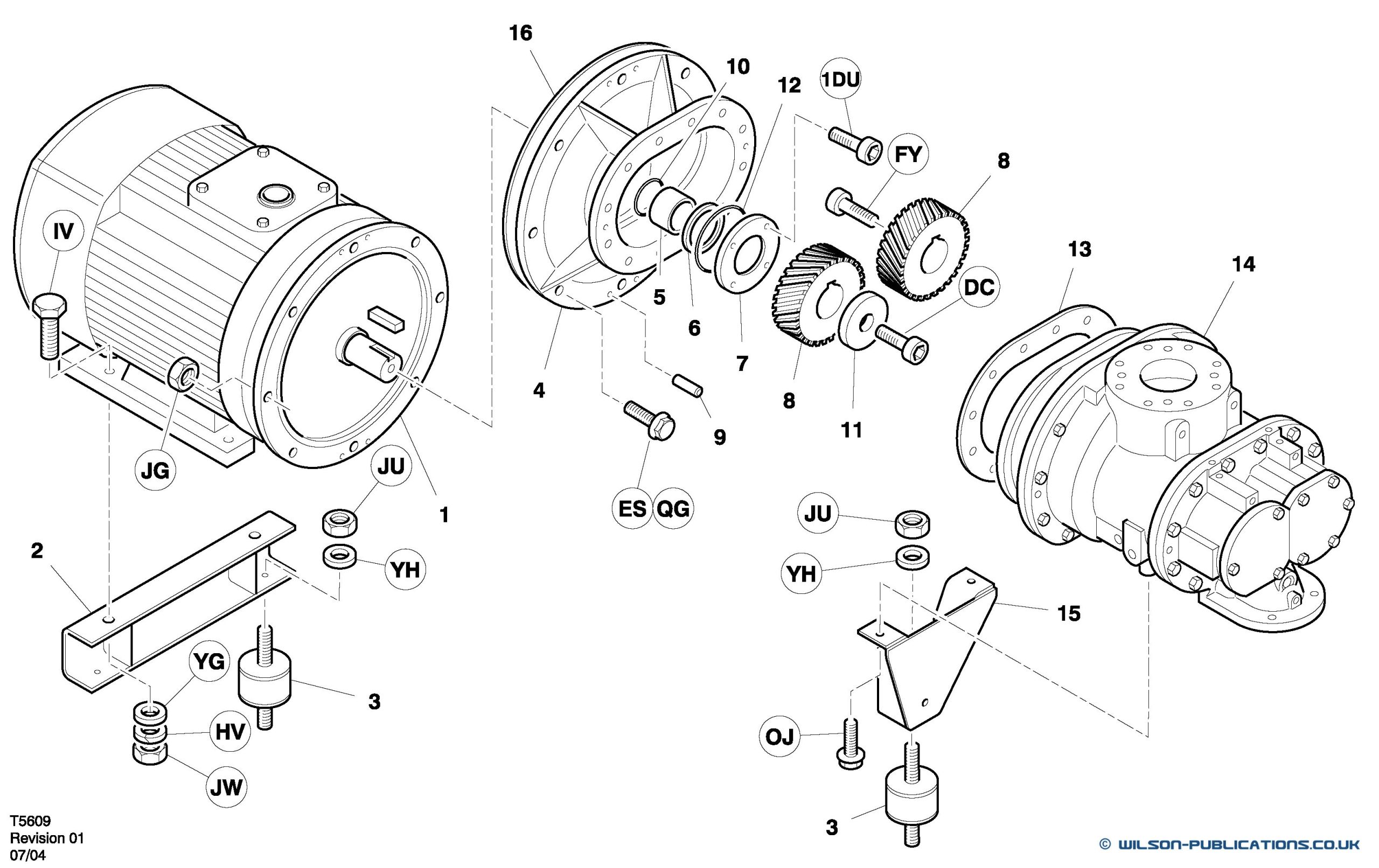
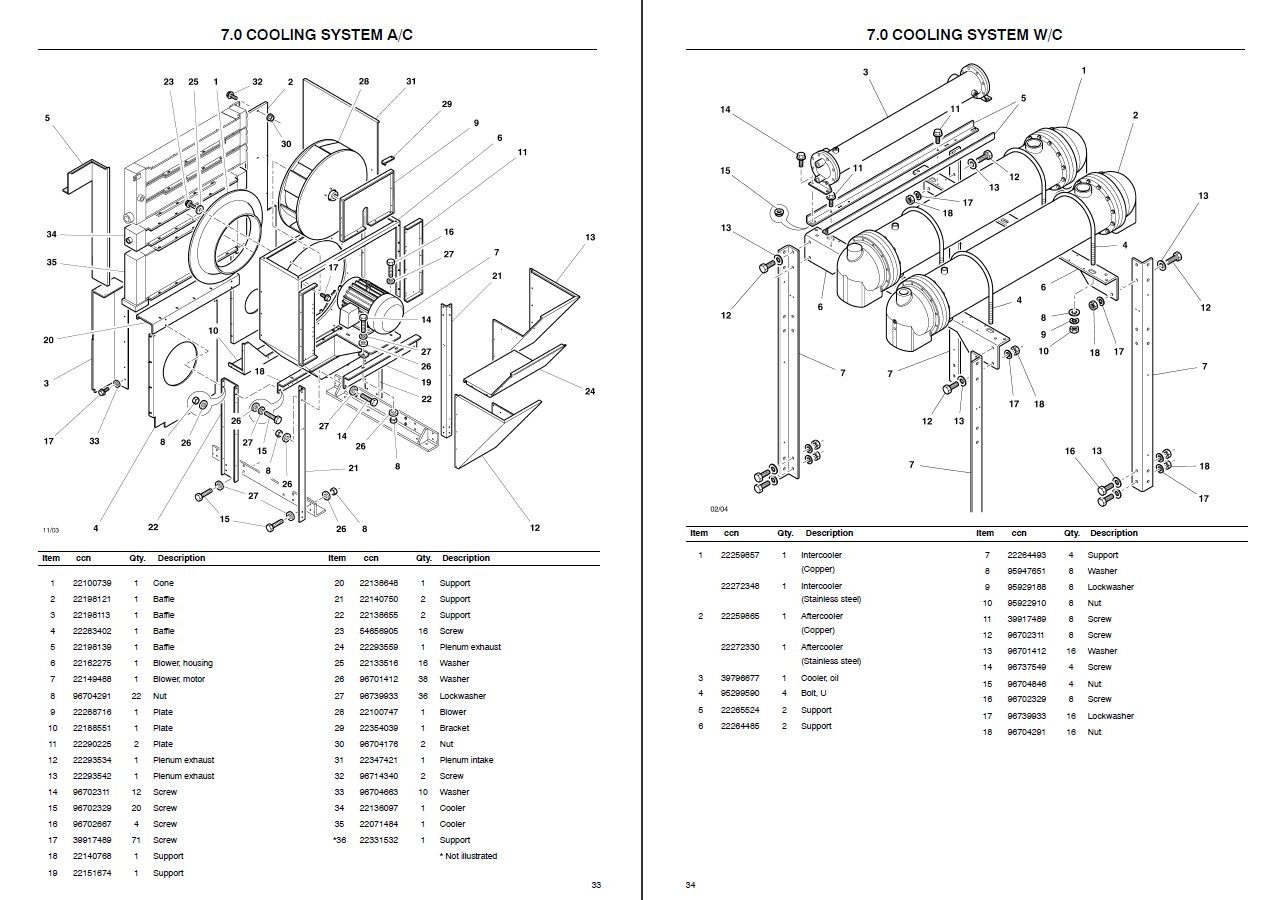
Clear technical illustrations, controlled terminology and effective collaboration between engineering and documentation teams remain essential regardless of which framework is used.
Manufacturers should also establish document governance processes that define responsibilities for reviewing, approving and updating technical information throughout the product lifecycle.
Combining appropriate standards with disciplined documentation management creates a stronger foundation for producing reliable, user-focused technical publications.
As product portfolios expand, documentation becomes increasingly difficult to manage without consistent processes and agreed standards.
By introducing structured documentation practices early, manufacturers can create information that is easier to maintain, simpler to reuse and more adaptable to future product developments.
Whether using recognised frameworks such as S1000D or DITA, or developing internal documentation standards, the goal remains the same: creating technical information that supports products throughout their lifecycle while reducing duplication and improving long-term efficiency.
Investing in documentation standards today helps build a scalable information system that continues delivering value as products, customers and markets evolve.
Technical documentation standards provide manufacturers with a structured foundation for producing accurate, consistent and maintainable information. While no single framework suits every organisation, adopting appropriate standards helps improve document quality, simplify updates and support long-term product information management.
By combining recognised documentation principles with robust engineering knowledge and effective governance, manufacturers can develop technical publications that remain valuable throughout the entire product lifecycle.
Whether you’re reviewing existing documentation, planning a structured authoring project or looking to improve consistency across your technical publications, Wilson Publications can help. We work with manufacturers to develop clear, accurate technical documentation that supports products throughout their lifecycle and aligns with each organisation’s documentation objectives.
A technical documentation standard provides a structured approach for creating, organising and maintaining technical information so that documentation remains consistent, accurate and easier to update.
S1000D is an XML-based specification for creating and managing technical publications, widely used in aerospace, defence and other industries with complex documentation requirements.
DITA (Darwin Information Typing Architecture) is an XML-based framework that enables organisations to reuse content efficiently and publish technical documentation in multiple formats from a single source.
Not necessarily. The most suitable approach depends on product complexity, documentation volume, regulatory requirements and how technical information is managed within the organisation.
Yes. Structured documentation approaches help reduce duplicated content, simplify updates and improve consistency, making documentation easier and more cost-effective to maintain over time.