
How Engineering Teams Reduce Errors with Visual and Structured Documentation
Engineering teams operate in environments where accuracy is critical. Small documentation errors can lead to assembly mistakes, incorrect part selection, safety incidents, unnecessary downtime and costly rework. While processes and tooling often receive attention when things go wrong, documentation is frequently overlooked as a root cause.
In reality, documentation quality has a direct impact on operational performance. The way information is structured, presented and maintained determines how reliably it is understood and applied in real working conditions. This is where visual and structured documentation in engineering plays a decisive role.
By combining clear technical visuals with structured authoring methodologies, engineering teams can significantly reduce errors, improve consistency and support long-term scalability across products, regions and languages.
Table of Contents

Why documentation errors happen in engineering teams
Documentation errors are rarely the result of carelessness. More often, they stem from ambiguity, inconsistency or outdated information.
Common causes include:
Text-heavy instructions that are difficult to interpret under time pressure
Inconsistent terminology across manuals
Multiple versions of the same procedure stored in different locations
Updates applied to some documents but not others
Documentation that does not reflect how work is actually carried out
As products become more complex and engineering teams grow, these issues multiply. Documentation created without structure or visual clarity becomes harder to maintain and easier to misinterpret.
Reducing errors starts with improving how information is communicated.

How visual documentation reduces errors
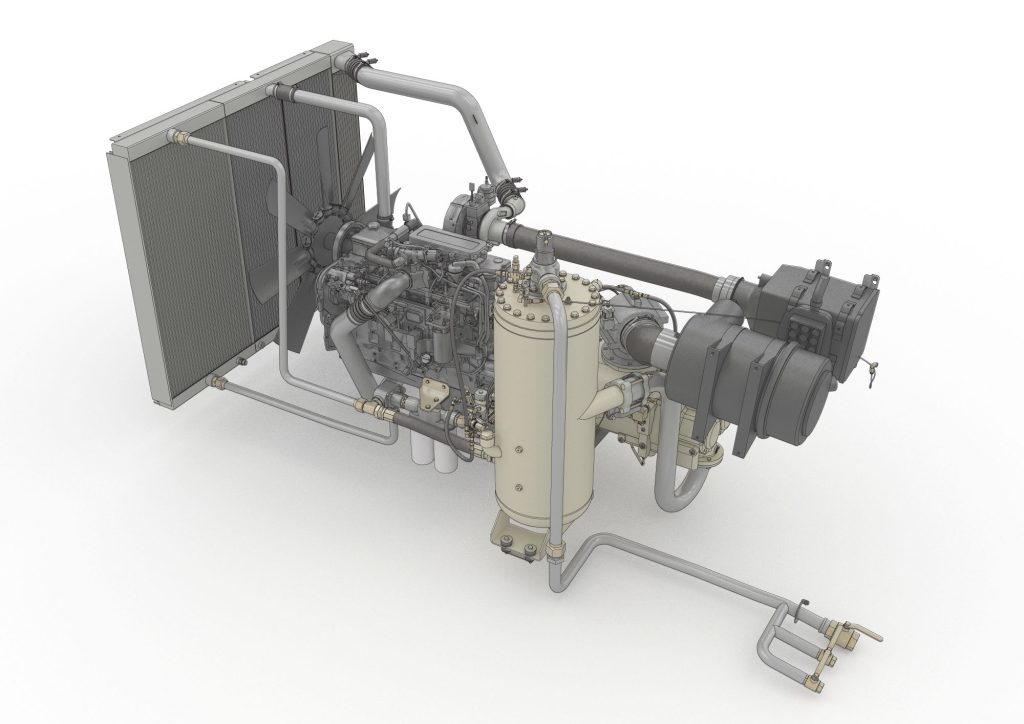
Visual documentation uses technical illustrations, diagrams, CAD-derived images, 3D renders and animations to communicate information more clearly than text alone.
Humans process visual information faster and with less cognitive effort than written instructions. In engineering contexts, this has a measurable impact on accuracy and efficiency.
Removing ambiguity at the point of use
Text often struggles to describe spatial relationships, orientation and sequence. Visuals remove this uncertainty by showing exactly what is required.
For example:
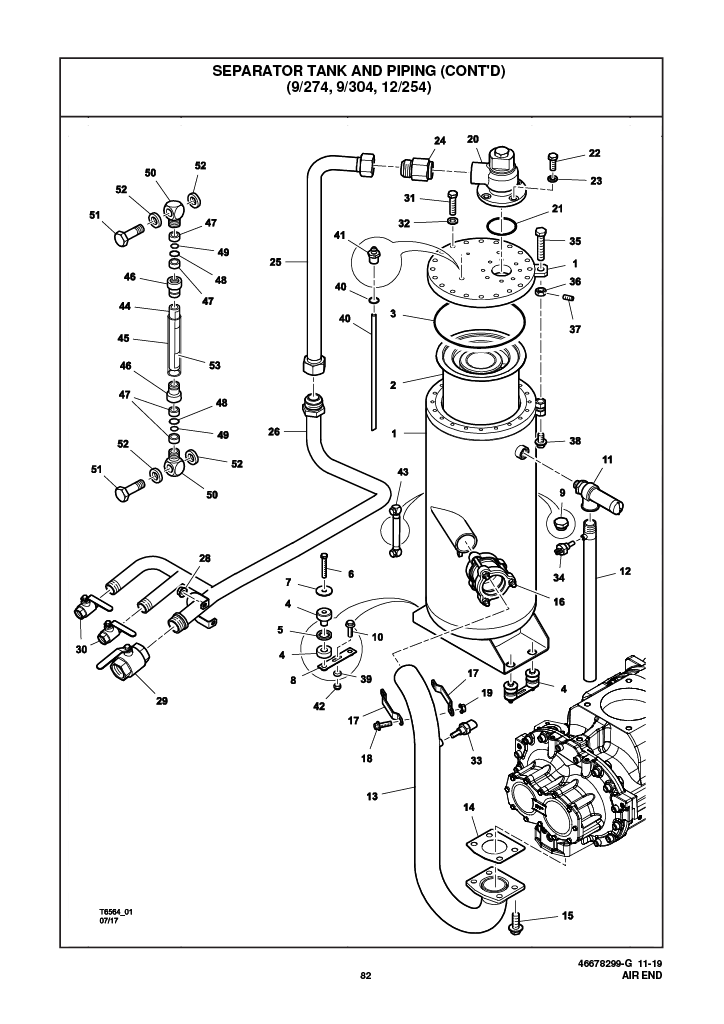
An exploded diagram shows how components fit together
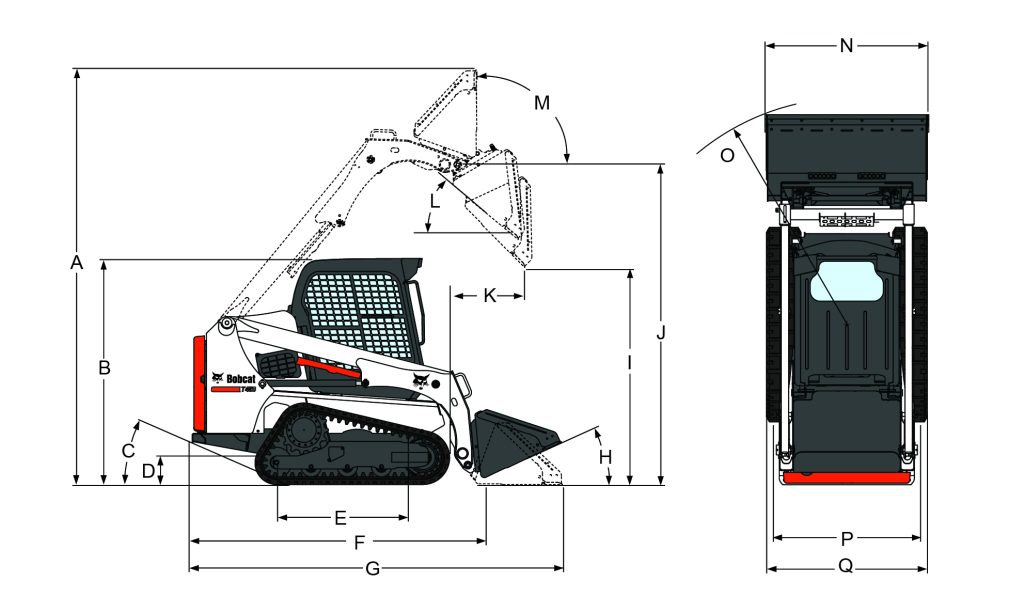
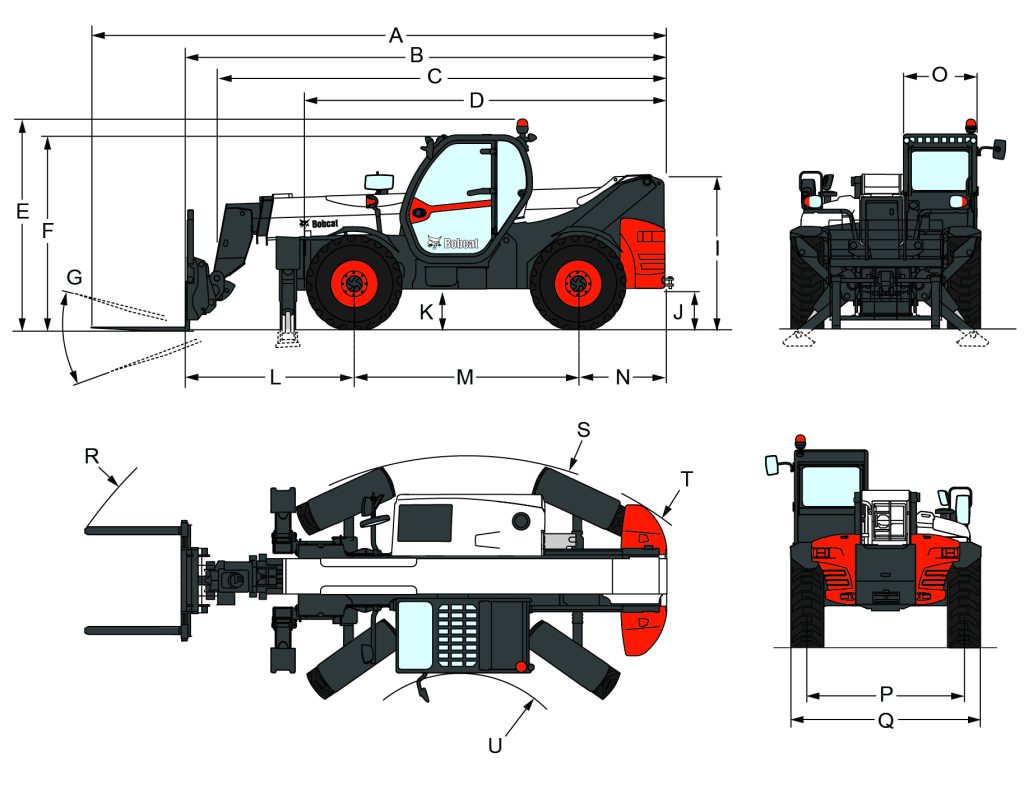
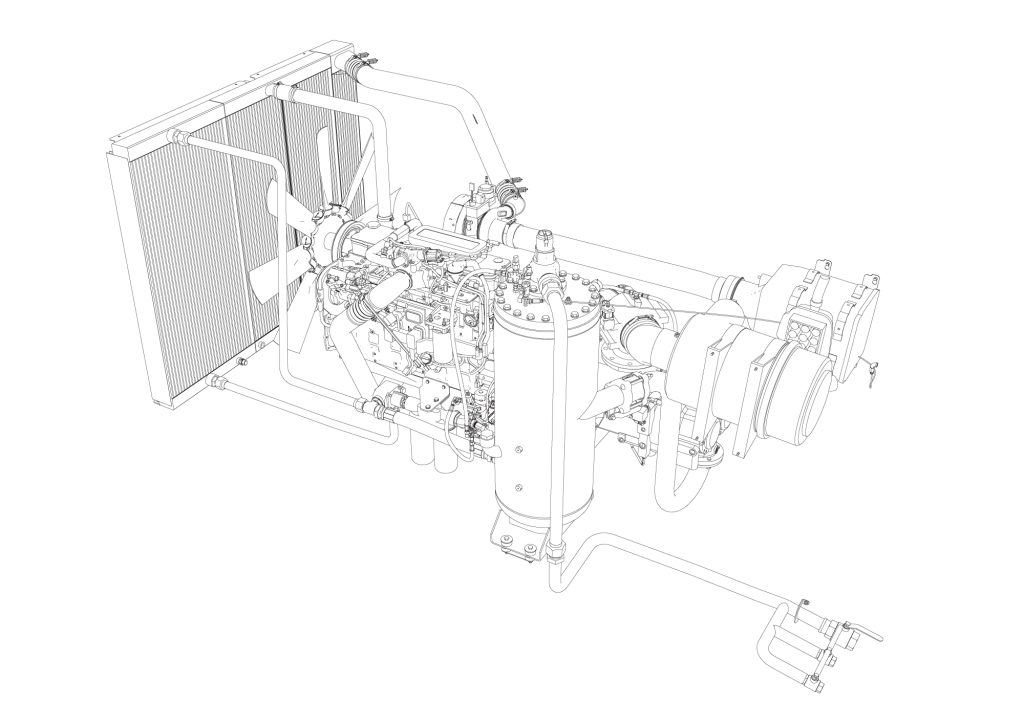
An isometric view clarifies orientation and access points
A labelled illustration identifies parts without relying on lengthy descriptions
This reduces interpretation errors, particularly in assembly, maintenance and servicing tasks.
Supporting safer working practices
Clear visuals help engineers and technicians identify hazards, safe working zones and correct procedures before work begins. This is especially important where documentation must be followed precisely to meet safety or regulatory requirements.
Visual cues are often easier to absorb quickly than written warnings, helping reduce risk in real-world environments.
Improving training and knowledge transfer
Visual documentation shortens learning curves. New team members can understand procedures faster when they can see what is expected rather than relying solely on text.
This reduces mistakes during training and limits reliance on informal, undocumented knowledge.
Wilson Publications support this approach through technical illustration and 3D visual services, using existing CAD data to produce accurate, purpose-driven visuals.
Improve Documentation Consistency at Scale
Structured documentation helps engineering teams eliminate inconsistencies, reduce errors and manage updates more efficiently across complex documentation sets.
Wilson Publications supports organisations in planning and implementing structured authoring workflows using XML, DITA and S1000D. Our approach integrates with existing engineering systems to create clear, reusable and scalable technical content.
The role of structured documentation in error reduction
While visuals improve understanding at the point of use, structured documentation prevents errors at the source.
Structured authoring uses defined content models and standards such as XML, DITA and S1000D to manage documentation in modular, reusable components.
Instead of creating standalone documents, content is written once and reused consistently across manuals, guides and outputs.
Eliminating inconsistencies through single-source content
One of the most common documentation errors occurs when information is updated in one document but not another.
Structured documentation avoids this by maintaining a single source of truth. When content is updated, changes are automatically reflected wherever that content is reused.
This significantly reduces the risk of outdated or conflicting instructions being followed in the field.

Enforcing consistency and completeness
Structured authoring frameworks require content to follow defined rules. Mandatory elements such as safety warnings, prerequisites and procedural steps cannot be accidentally omitted.
Templates and schemas ensure:
Consistent terminology
Predictable layouts
Complete procedural information
This consistency makes documentation easier to use and reduces the likelihood of missed steps or misunderstandings.
Wilson Publications undertake the planning and integration of structured authoring workflows, including DITA, XML and S1000D, to support scalable documentation systems.
Where visual and structured documentation intersect
Visual and structured documentation deliver the greatest value when they are implemented together.
In modern engineering workflows:
Technical illustrations are treated as managed assets, not static images
Visuals are referenced within structured content modules
Updates to visuals can be propagated across all documentation outputs
This approach supports consistency, accuracy and efficiency at scale.
Illustrated Parts Manuals as an example
Illustrated parts manuals demonstrate how visual and structured documentation work together to reduce errors.
Structured content ensures:
Accurate part numbers
Consistent naming conventions
Reliable parts lists
Visuals provide:
Clear identification of components
Context for how parts fit together
Reduced risk of selecting incorrect parts
Wilson Publications specialise in Illustrated Parts Manuals for engineering and technical products, combining structured data with clear, CAD-derived illustrations.
The result is faster parts identification, fewer ordering errors and improved maintenance efficiency.
Benefits for engineering teams and procurement
Reducing errors through documentation has measurable operational and commercial benefits.
Improved efficiency and reduced downtime
Clear, consistent documentation reduces task time and rework. Engineers spend less time interpreting instructions and more time completing work correctly.
Lower support and warranty costs
Fewer documentation-related errors mean fewer support calls, fewer incorrect installations and reduced warranty claims.
Better compliance and audit readiness
Structured documentation supports traceability and consistency, which is critical for regulated industries such as automotive, aerospace and industrial manufacturing.
Scalable documentation systems
Structured workflows allow documentation to grow alongside products and markets without increasing complexity or risk.
Supporting multilingual documentation without increasing errors
Translation introduces another common source of error if not managed correctly.
Visual documentation helps reduce reliance on translated text by conveying information graphically. Structured documentation supports translation memory systems, ensuring consistency across languages and reducing translation costs.
Wilson Publications provide technical translation services integrated with structured documentation workflows, helping maintain accuracy across multilingual outputs.
This approach ensures documentation remains clear and consistent regardless of region.
What effective error-reducing documentation looks like
High-performing engineering documentation shares common characteristics:
Accurate, CAD-aligned visuals
Structured, reusable content modules
Consistent terminology and layout
Clear procedural sequencing
Integration with existing engineering systems
Documentation is treated as a lifecycle asset, reviewed and maintained alongside products rather than as a one-off deliverable.
Why specialist documentation partners matter
Reducing errors through documentation requires more than tools. It requires experience, process and an understanding of how engineering teams actually work.
Wilson Publications & Associates Ltd have over 30 years’ experience supporting engineering, automotive and industrial clients with technical documentation, visual communication and product support solutions. By integrating directly with client CAD systems and workflows, they deliver accurate, efficient and cost-effective documentation across the product lifecycle.
For further context on professional standards in technical communication, the IEEE Professional Communication Society provides guidance on best practices in technical and visual communication:
Conclusion
Errors in engineering rarely occur in isolation. They are often the result of unclear, inconsistent or outdated documentation.
By adopting visual and structured documentation in engineering, teams can significantly reduce ambiguity, improve consistency and support safer, more efficient operations. Visuals make complex information easier to understand. Structured workflows ensure that information remains accurate, consistent and scalable over time.
For engineering teams and procurement professionals reviewing documentation strategies, improving how information is communicated is one of the most effective ways to reduce errors before they occur.
Clear documentation is not just a support function. It is a critical component of engineering performance.
Frequently Asked Questions:
Visual and structured documentation in engineering combines technical illustrations, diagrams and 3D visuals with structured authoring methods such as XML, DITA or S1000D. Together, they improve clarity, consistency and accuracy across technical manuals, maintenance guides and product documentation.
Visual documentation reduces errors by removing ambiguity from instructions. Clear illustrations and diagrams show component relationships, orientation and sequencing, helping engineers and technicians complete tasks correctly without misinterpretation, especially under time pressure.
Structured authoring is a method of creating documentation using defined content models and reusable components. It ensures consistency, enables single-source updates and reduces the risk of outdated or conflicting information appearing across different manuals or outputs.
Yes. Visual documentation reduces reliance on text, making instructions easier to understand across languages. Structured documentation supports translation memory systems, helping maintain consistency and accuracy while reducing translation time and cost.
Engineering teams should review their documentation when errors become repetitive, procedures rely heavily on informal knowledge, updates are difficult to manage, or products and variants are increasing. These are often signs that visual and structured documentation would significantly improve accuracy and efficiency.