
Why Poor Parts Documentation Increases Downtime (And How Visual Clarity Reduces Errors)
Downtime is the enemy of efficient operations. Every minute that production equipment sits idle can cost a business thousands in lost output and repairs. Manufacturers invest heavily in maintenance and training to avoid unplanned stoppages, yet one often-overlooked factor continues to undermine uptime: poor parts documentation. When manuals, parts lists, and technical instructions are incomplete or unclear, they introduce delays and mistakes that significantly extend downtime. In this article, we explore why inadequate parts documentation increases downtime – and how improving visual clarity in technical content can dramatically reduce errors.
Table of Contents
The Hidden Cost of Inadequate Parts Documentation
Downtime is the enemy of efficient operations. Every minute that production equipment sits idle costs money. While manufacturers invest heavily in maintenance and training, poor parts documentation is an often-overlooked contributor to delays and errors.
When manuals, parts lists, and technical instructions are unclear or incomplete, they:
Slow down maintenance teams
Lead to incorrect part orders
Increase the risk of human error
The result is extended downtime, higher costs, and frustrated teams.
Common Issues That Contribute to Downtime
Missing or outdated information: Teams waste time verifying part numbers or tracking changes. This slows down repairs and increases the likelihood of ordering the wrong item.
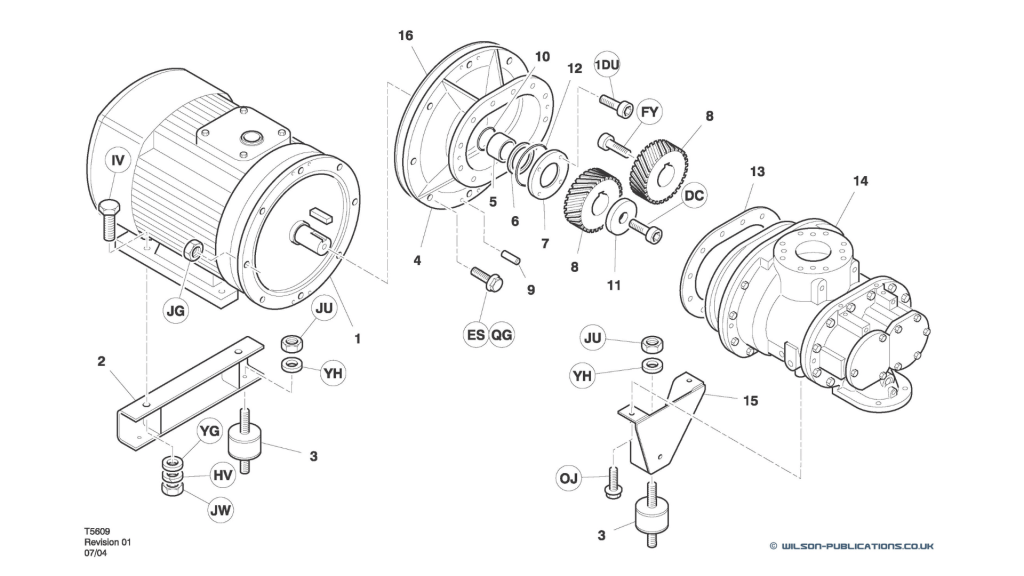
Hard-to-read visuals: Low-quality or unlabelled diagrams lead to mistakes. If a technician misinterprets a diagram or cannot locate the correct part in an assembly, repair time grows.
Disorganised content: Scattered or inconsistent formats delay identification and ordering. When parts catalogues are fragmented across systems or departments, the maintenance process becomes inefficient.
Text-heavy instructions: Dense, wordy procedures are difficult to follow, especially under pressure. Technicians working on a tight deadline or in harsh conditions benefit from quick visual cues, not lengthy blocks of text.
These problems compound under pressure. A short delay in identifying a part can stretch into hours of unnecessary downtime if incorrect parts are ordered, installed incorrectly, or if service steps are misunderstood.
Why Poor Documentation Increases Downtime
Imagine a production line stops unexpectedly. A technician checks the parts manual but finds the diagram confusing and the part number incorrect. The wrong component is ordered, and days are lost waiting for the correct one.
This scenario is avoidable — but common — and illustrates how inadequate documentation leads to:
Lower first-time fix rates: Technicians are more likely to make mistakes or miss critical steps when the guidance is unclear.
Increased Mean Time to Repair (MTTR): More time is spent diagnosing the fault and confirming the required parts.
Mistakes during repairs or reassembly: Ambiguous or poorly structured instructions result in incomplete or faulty work.
Erosion of trust in manuals and systems: When staff stop trusting the documentation, they rely on memory or verbal instructions, increasing inconsistency and risk.
The maintenance process shouldn’t depend on guesswork or “tribal knowledge.” Documentation should empower every technician—new or experienced—with the information needed to do the job accurately and efficiently.


Visual Clarity Reduces Errors and Saves Time
Clear, well-structured documentation helps maintenance teams work faster and with greater confidence. Visual clarity isn’t a design bonus — it’s a functional advantage.
Benefits of Visual Documentation
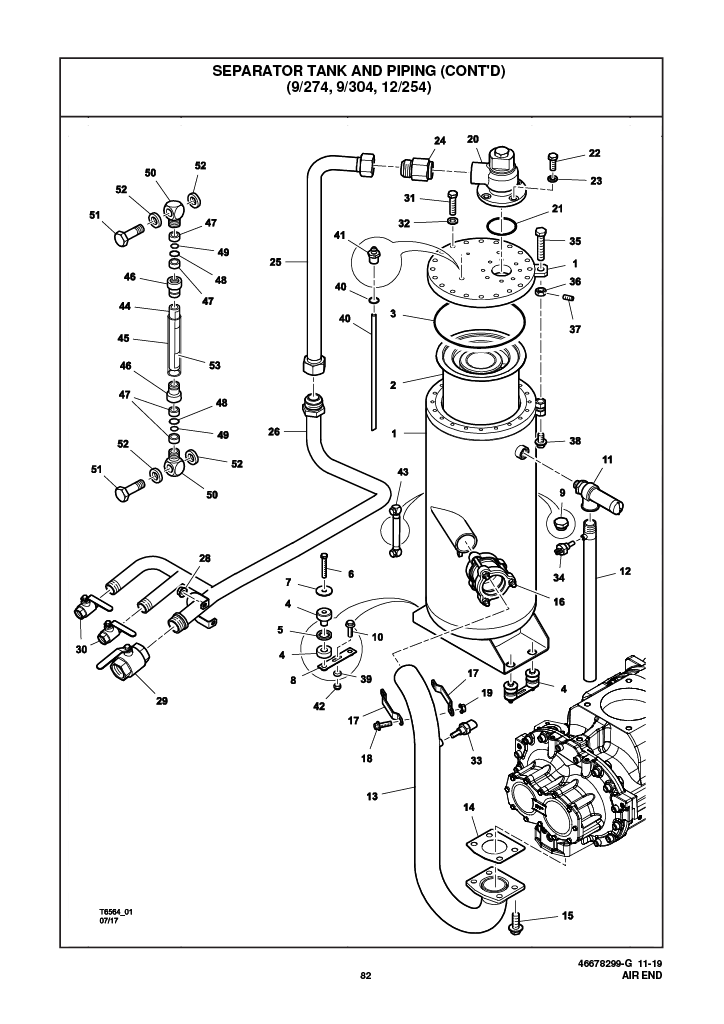
Quick part identification: Exploded diagrams and callouts simplify selection. A well-labelled image communicates far more efficiently than a paragraph of description.
Fewer ordering errors: Seeing the part in context reduces misidentification. Visual parts catalogues minimise the risk of ordering incorrect variants or legacy parts.
Step-by-step guidance: Illustrated procedures support consistent, correct repairs. Teams are less likely to skip steps or overlook important safety considerations.
Improved training: Visuals accelerate learning and reduce reliance on text. This shortens onboarding times and ensures consistency across shifts and locations.
Reduced error rates: Clear illustrations reduce the chance of mistakes, especially in high-pressure situations. A diagram showing torque points or wire placements, for example, can prevent critical assembly faults.
The impact on productivity is significant. Teams spend less time deciphering documents and more time resolving issues. This not only speeds up repairs but also reduces stress on staff and builds operational confidence.
Best Practices for Effective Parts Documentation
To reduce downtime and error rates, documentation should be:
Up-to-date: Reflect changes in parts and procedures promptly. Stale data undermines accuracy and trust.
Visually rich: Include diagrams, exploded views, and consistent layouts. Use imagery that mirrors the actual equipment for intuitive recognition.
Standardised: Use consistent terminology and formatting across documents. Standardisation ensures users always know where to look and what to expect.
Accessible: Store in easily navigable digital formats, accessible where work is done. Whether in the workshop, warehouse or on-site, technicians should have documentation at their fingertips.
User-informed: Gather feedback from technicians and engineers to improve clarity. Those closest to the equipment often offer the most valuable insights into what works — and what doesn’t.
Improving documentation is more than a quick fix — it’s a long-term investment in operational resilience.
From Downtime to Uptime: The Payoff of Clarity
Improving documentation is a strategic step towards operational resilience. When parts documentation is clear and consistent, technicians spend less time searching and more time solving. The result is faster repairs, safer procedures, and fewer costly errors.
At Wilson Publications, we help organisations build technical documentation that supports speed, accuracy, and scalability. Our work includes structured authoring, technical illustration, and high-fidelity visualisation — all designed to make critical information clear and useful across teams, systems, and borders.
Because when information is easy to use, downtime doesn’t stand a chance.

Explore more in our Technical Illustration & Visual Communication blog, or see how our Technical Publications and 3D Visualisation services can support your maintenance and documentation goals.
Frequently Asked Questions:
Parts documentation includes diagrams, parts lists, manuals, and instructions that help identify, order, and maintain components in mechanical and industrial systems.
When parts information is unclear, outdated or disorganised, it takes longer to diagnose issues, identify correct components, and complete repairs — all of which extend downtime.
Visual elements like exploded views, labelled diagrams, and structured layouts make it easier to interpret information quickly, reducing errors and speeding up repairs.
Structured documentation uses consistent templates, terminology, and formatting, making it easier to update and scale. Unstructured content is often inconsistent, harder to search, and more prone to errors.
Yes. New technicians can grasp procedures faster with well-illustrated manuals, helping them become productive sooner and reducing the risk of errors.
Any sector reliant on machinery or technical equipment — such as manufacturing, engineering, automotive, and energy — can benefit from accurate, visual, and up-to-date parts documentation.