Manufacturers often produce several different types of technical manuals for a single product, yet these documents are frequently grouped together under the general term “technical documentation”. While they may share engineering information, each manual is created for a different audience and serves a distinct purpose.
Understanding the differences between operation manuals, service manuals and maintenance manuals is essential for producing documentation that genuinely supports users throughout the product lifecycle. Providing the right information to the right audience helps improve safety, reduce downtime and make servicing more efficient.
This guide explains the purpose of each manual, who uses them and why manufacturers should treat them as complementary documents rather than interchangeable publications.
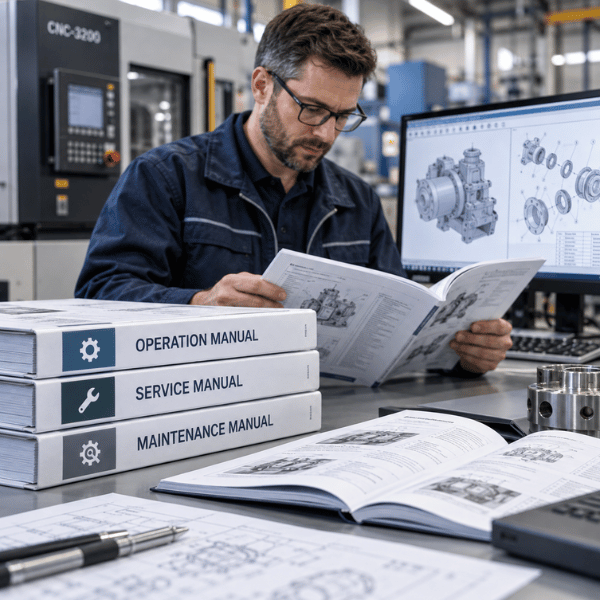
An operation manual is written primarily for the people who use a product during normal day-to-day operation. Its purpose is to explain how equipment should be used safely, efficiently and in accordance with the manufacturer’s recommendations.
Operation manuals focus on helping users understand the product rather than repair it. They typically avoid unnecessary engineering detail and instead provide practical guidance that allows operators to complete tasks confidently.
A typical operation manual may include:
By presenting clear, structured information, operation manuals help reduce operator error and promote consistent use of equipment across different users and locations.
A service manual is designed for trained technicians responsible for diagnosing faults, repairing equipment and carrying out more advanced servicing procedures.
Unlike an operation manual, a service manual assumes the reader has technical knowledge and access to appropriate tools. It therefore contains significantly greater detail, including engineering data and step-by-step repair instructions.
Service manuals commonly include:
These manuals play an important role in helping service engineers complete repairs accurately while ensuring work is carried out using approved procedures.
We help engineering businesses turn complex information into clear, accurate documentation.
A maintenance manual focuses on keeping equipment operating reliably throughout its service life. Rather than explaining how to use or repair a product, it provides planned maintenance procedures that help prevent failures before they occur.
Maintenance manuals are commonly used by maintenance engineers, facilities teams and asset managers responsible for servicing machinery on a scheduled basis.
Typical contents include:
Well-structured maintenance documentation helps organisations improve equipment reliability, reduce unplanned downtime and extend the operational life of valuable assets.
Although operation, service and maintenance manuals all relate to the same product, they are written for different users with different objectives. Attempting to combine them into a single document often results in information becoming difficult to navigate and less useful for every audience.
Separating documentation by purpose allows manufacturers to present the appropriate level of detail for each user while maintaining consistency across the complete documentation set.
An effective documentation strategy enables:
Together, these publications form a coordinated technical information system that supports products throughout their lifecycle.
As products evolve, technical manuals must evolve with them. Engineering changes, product improvements and new variants all require documentation to be reviewed and updated so users continue receiving accurate information.
Many manufacturers are adopting structured documentation processes that allow approved content to be reused across multiple publications while maintaining consistency between operation manuals, service manuals and maintenance manuals.
This approach reduces duplicated effort, simplifies future updates and ensures technical information remains aligned across the complete documentation suite.
By treating documentation as an integrated product support system rather than a collection of separate manuals, manufacturers can improve efficiency while delivering better information to every audience they support.
Operation manuals, service manuals and maintenance manuals each perform a different role within a manufacturer’s documentation strategy. Together, they provide operators, technicians and maintenance teams with the information they need to use, service and maintain products safely and effectively.
Developing clearly structured manuals for each audience improves usability, simplifies document management and creates a stronger foundation for supporting products throughout their lifecycle.
Whether you’re creating documentation for a new product or reviewing an existing suite of manuals, Wilson Publications can help. We produce operation manuals, service manuals, maintenance manuals, illustrated parts manuals and complete technical publication suites that support complex engineering products throughout their lifecycle.
An operation manual explains how to use equipment safely and efficiently, while a service manual provides trained technicians with detailed repair and diagnostic procedures.
Maintenance manuals are primarily used by maintenance engineers, facilities teams and technicians responsible for preventative servicing and routine inspections.
While possible for very simple products, most complex equipment benefits from separate operation, service and maintenance manuals that provide the appropriate level of detail for each audience.
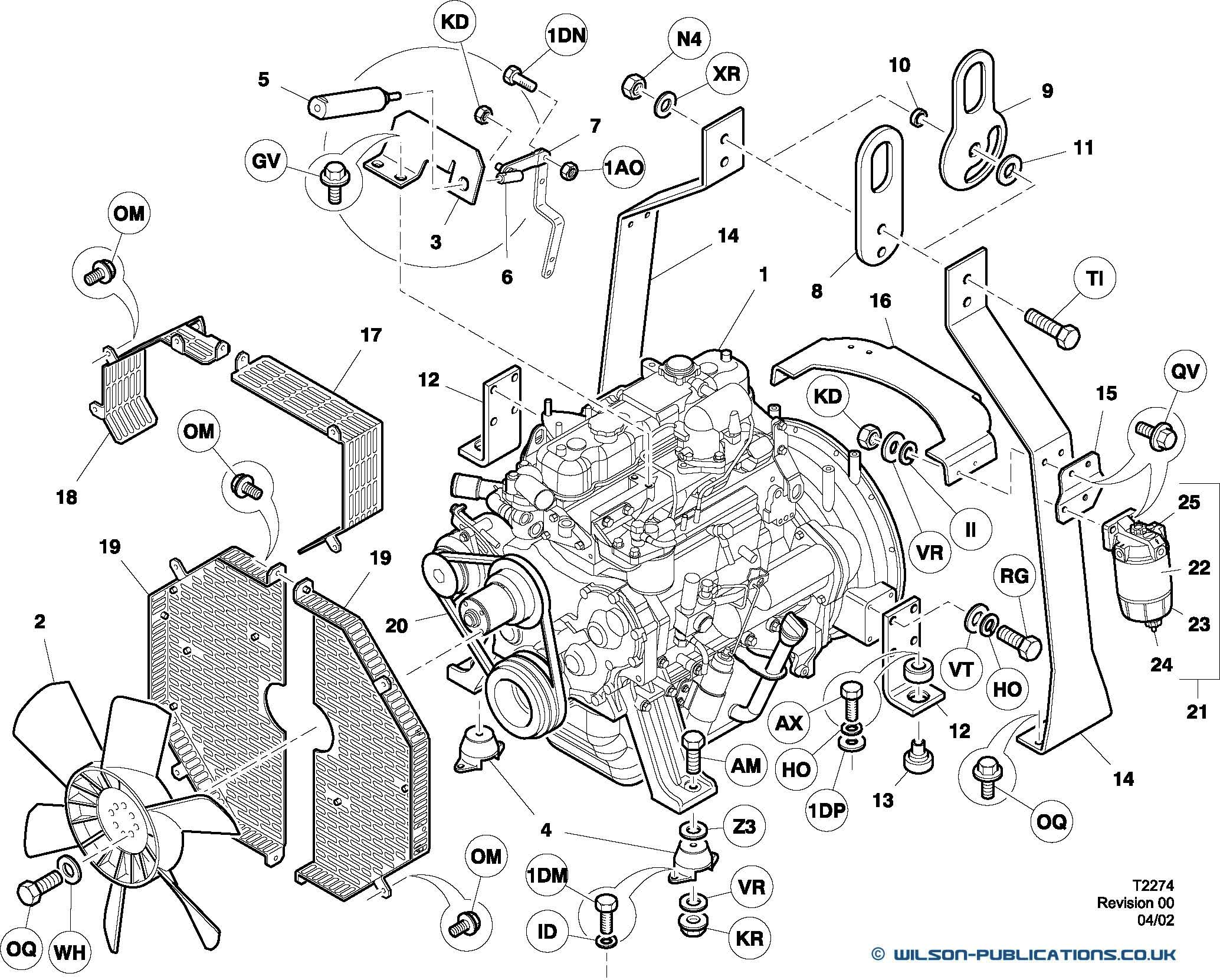
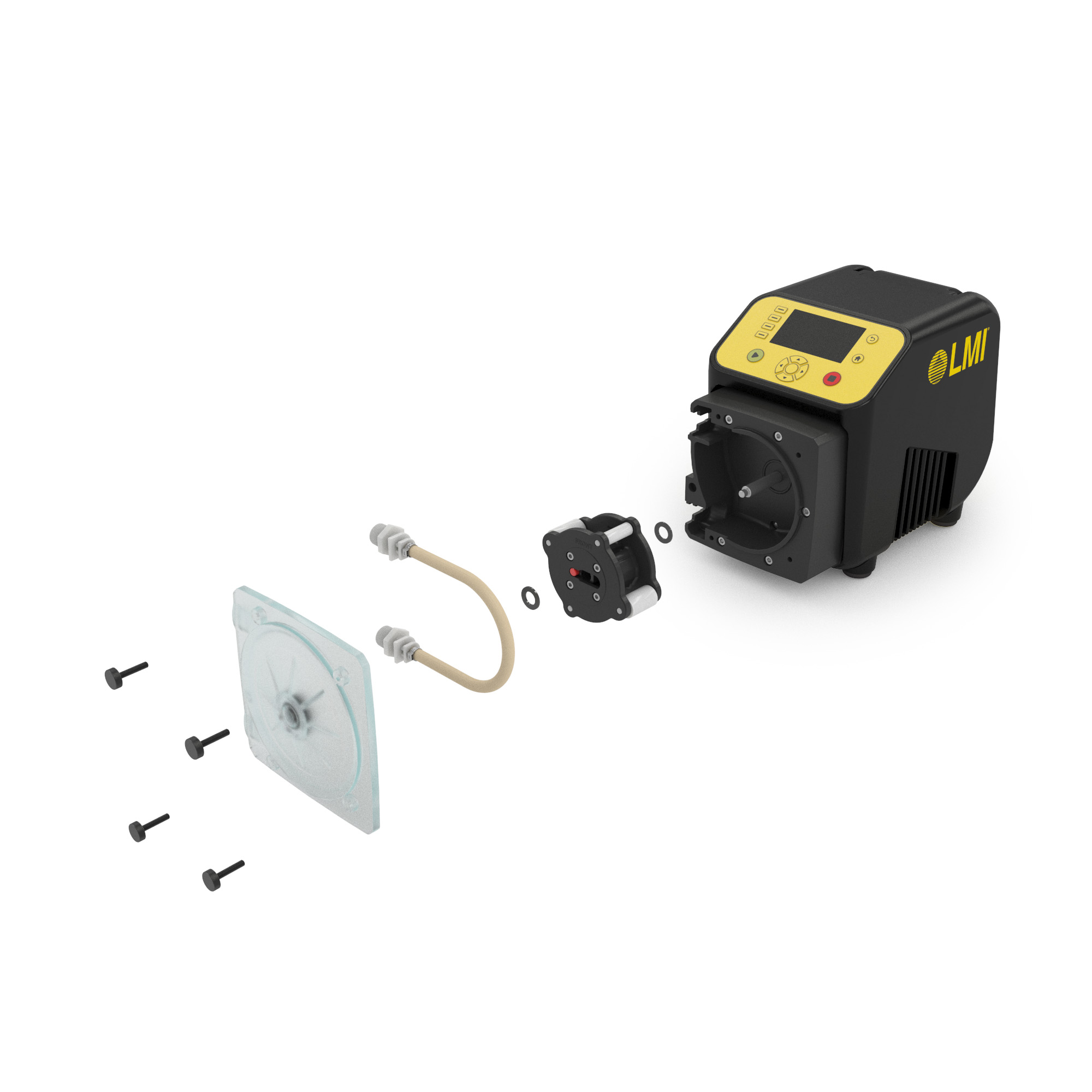
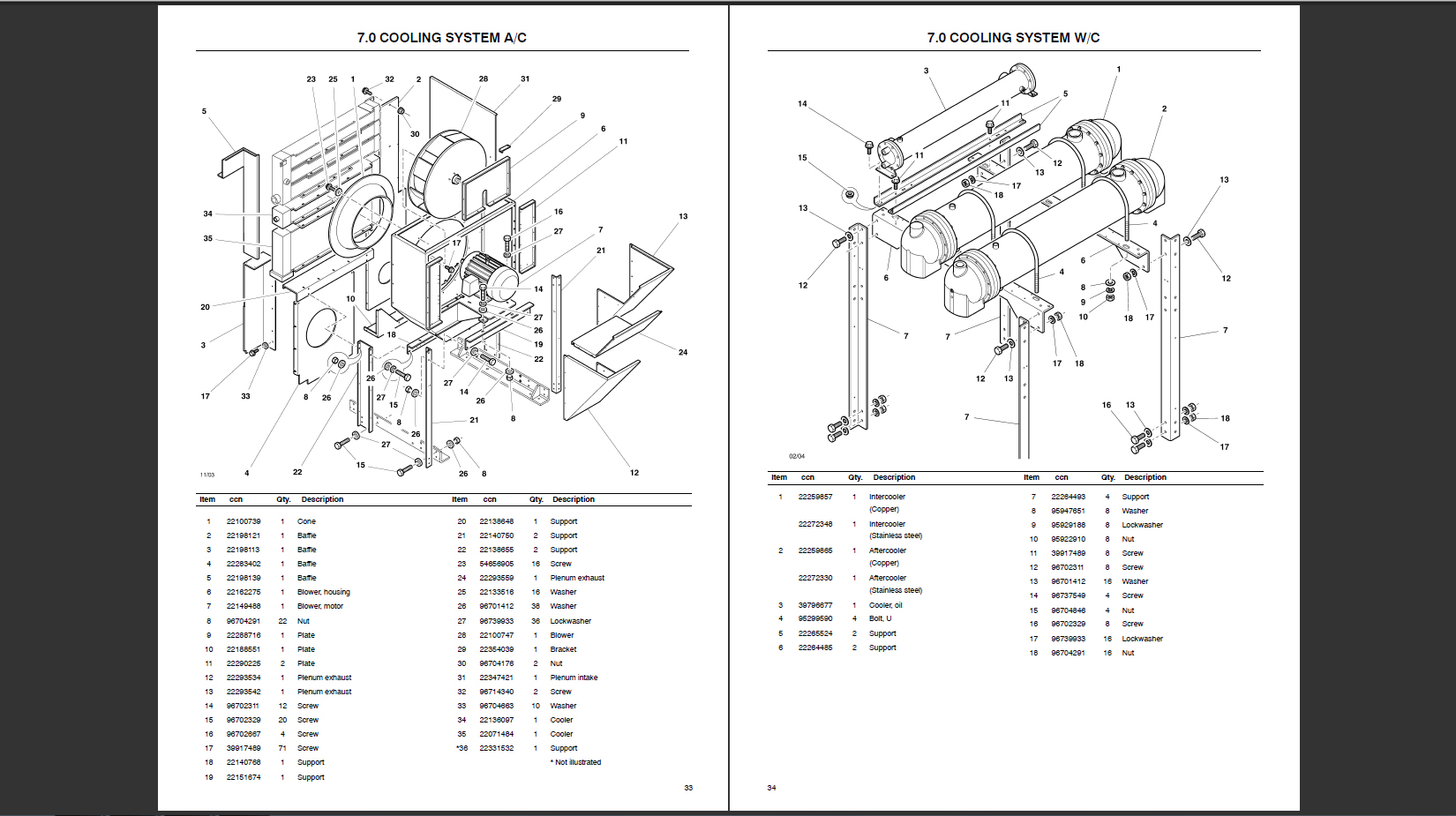
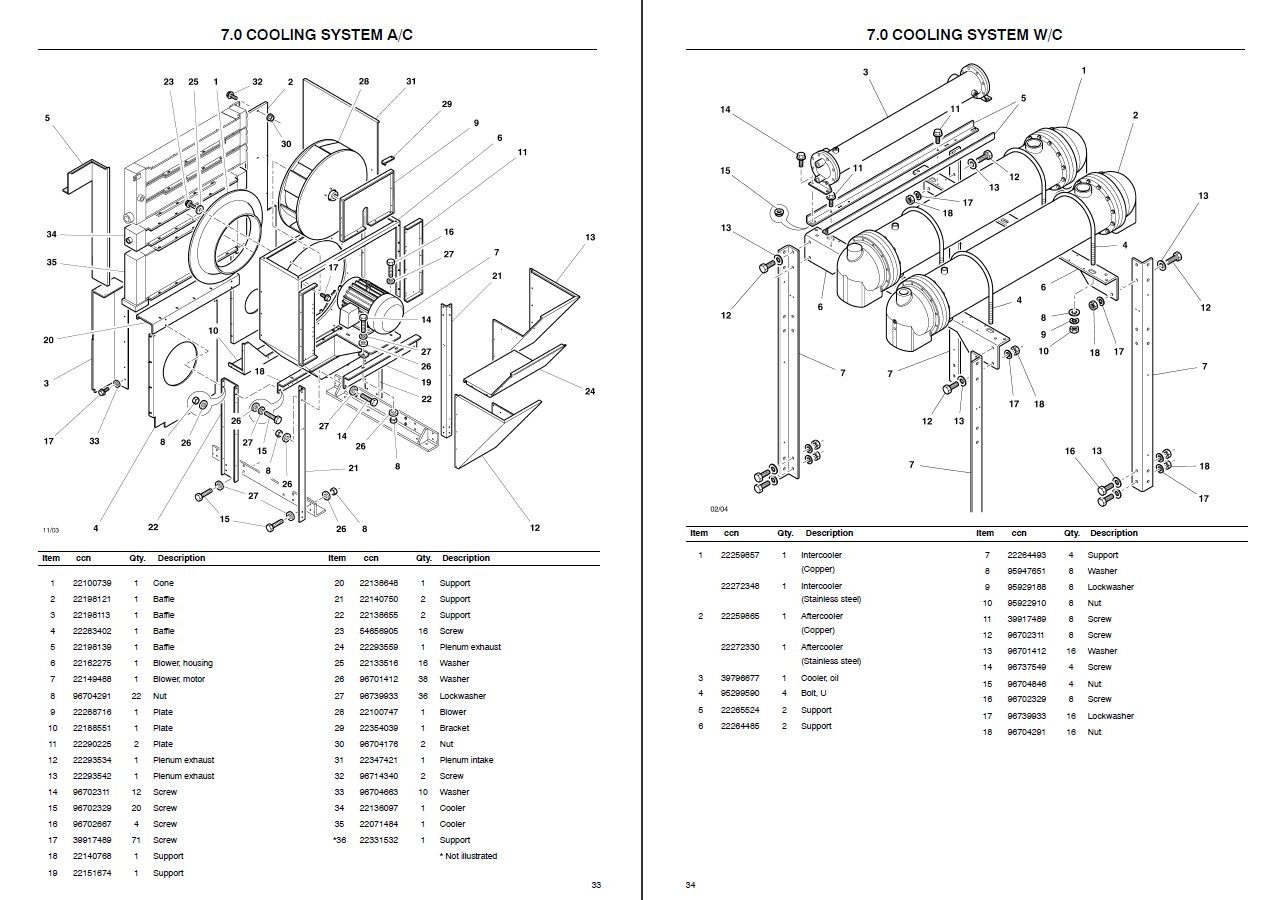
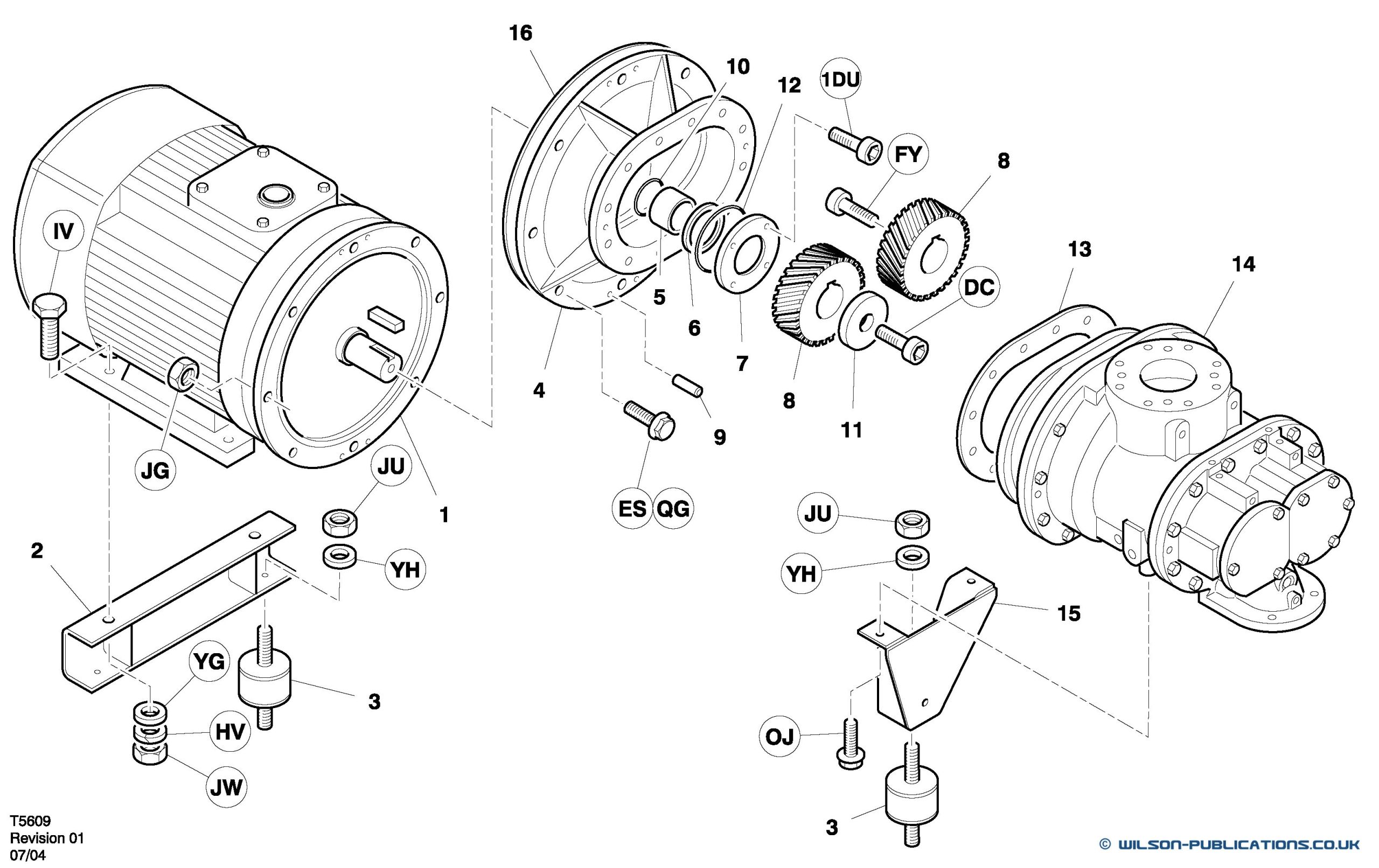
Service manuals typically include diagnostic procedures, repair instructions, exploded illustrations, technical specifications, adjustment procedures and component replacement guidance.
Different users require different information. Separate manuals improve usability, reduce confusion and ensure operators, technicians and maintenance personnel each receive documentation suited to their responsibilities.