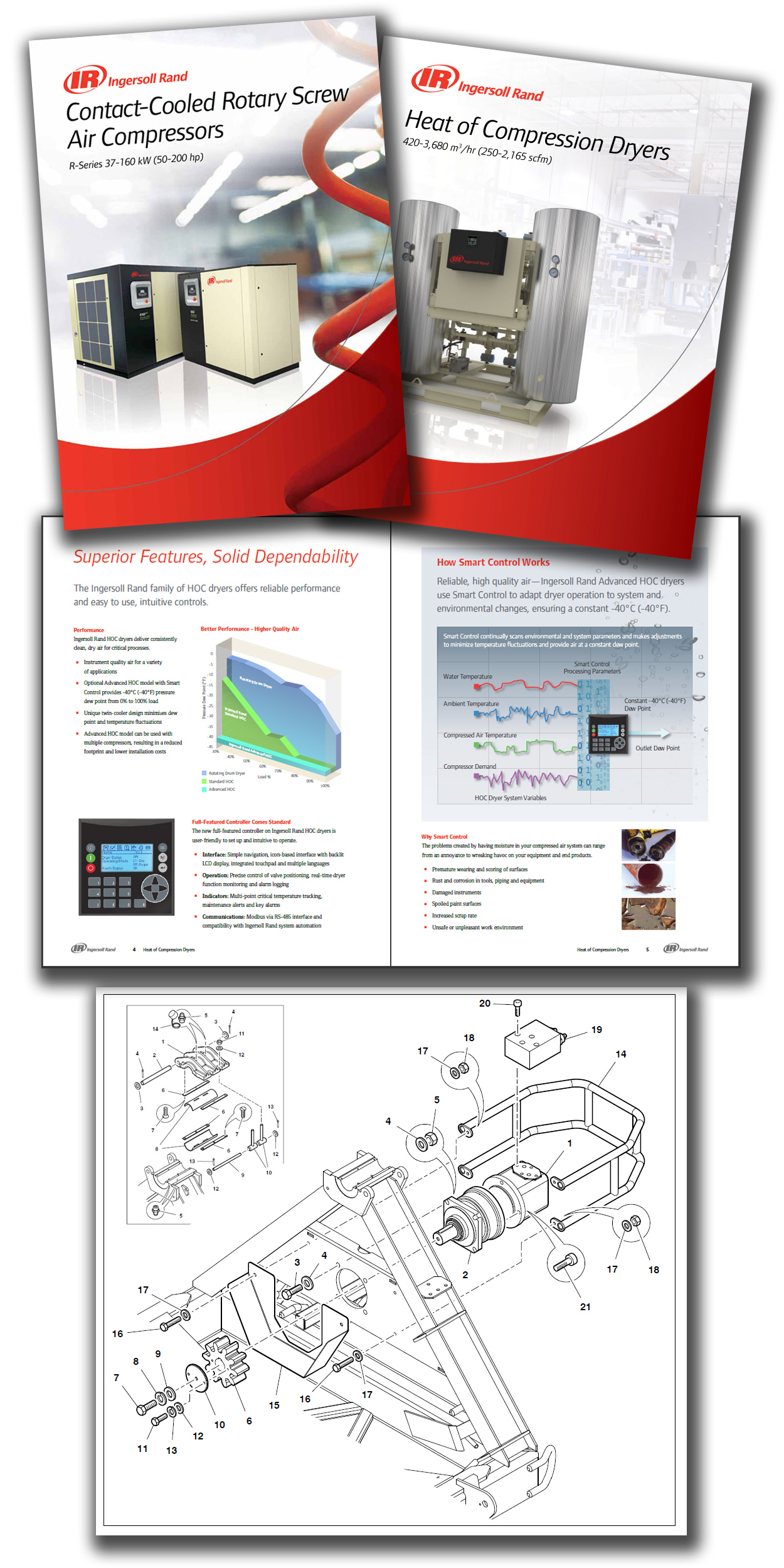
Accurate technical documentation is essential for manufacturers producing complex products. Whether users are operating equipment, carrying out maintenance or identifying replacement parts, they rely on documentation to provide clear, reliable information.
Even small inaccuracies can create significant challenges. Outdated procedures, inconsistent terminology or incorrect technical illustrations can lead to confusion, unnecessary downtime and additional support enquiries. As products evolve through engineering changes and new variants, maintaining documentation accuracy becomes increasingly difficult.
This guide explores the common causes of inaccurate documentation and outlines practical steps manufacturers can take to improve the quality, consistency and long-term reliability of their technical publications.
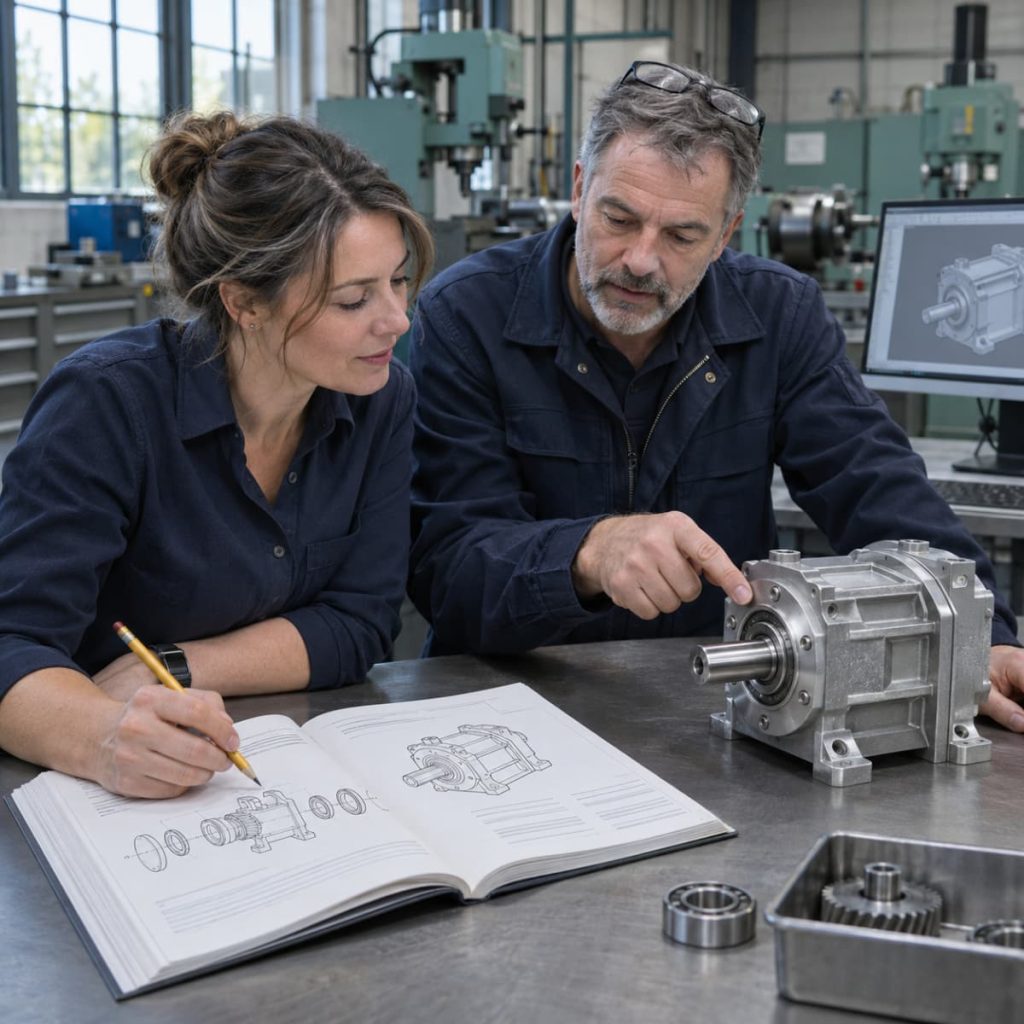
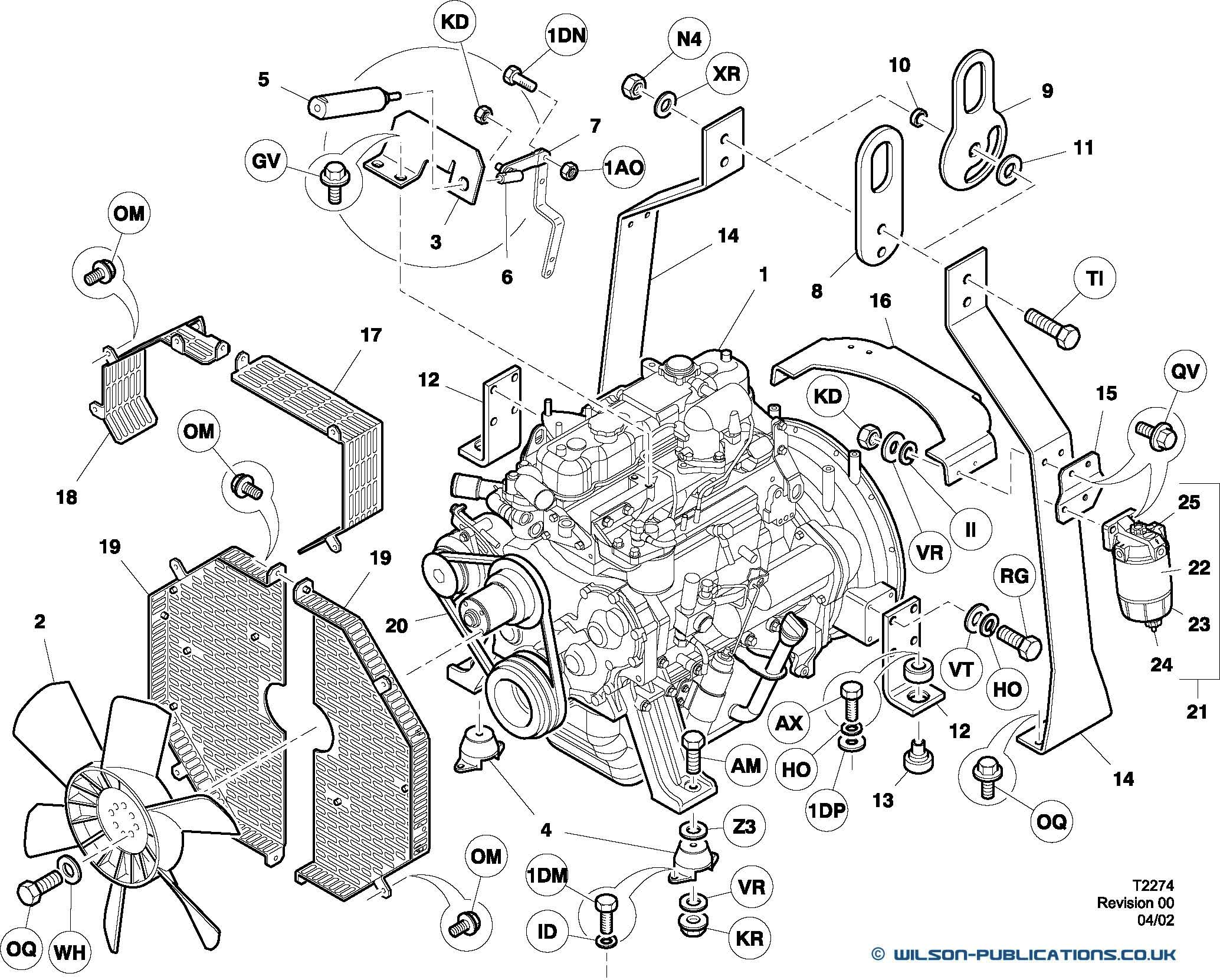
Technical documentation should always reflect the product it supports. When manuals, service information or illustrated parts publications contain inaccurate or outdated information, users may struggle to complete tasks correctly, increasing the likelihood of mistakes and unnecessary delays.
Accurate documentation benefits every stage of the product lifecycle. Operators gain confidence using equipment, maintenance teams can follow approved procedures, and service engineers spend less time resolving issues caused by inconsistent information.
High-quality documentation also helps manufacturers:
For organisations managing large documentation libraries, maintaining accuracy is not simply an editorial task—it is an essential part of effective product support.
Documentation inaccuracies rarely occur because of poor writing alone. More often, they result from weaknesses in the documentation process itself.
Engineering teams frequently update products throughout development and production. If documentation is not reviewed alongside these changes, manuals can quickly become out of date.
Common causes of inaccurate documentation include:
Identifying these issues early allows manufacturers to strengthen documentation workflows before inconsistencies become embedded across multiple publications.
We help engineering businesses turn complex information into clear, accurate documentation.
Improving documentation accuracy begins with establishing clear processes rather than relying solely on final proofreading. Documentation should develop alongside the product, ensuring every publication reflects the latest approved engineering information.
Manufacturers can improve documentation quality by adopting several proven practices:
These processes help reduce human error while creating documentation that remains accurate and easier to maintain as products evolve.
Producing accurate technical documentation is rarely the responsibility of one department. Engineering, technical authors, product support teams, quality specialists and reviewers all contribute valuable expertise throughout the documentation process.
Strong collaboration ensures technical information is verified before publication and helps prevent inconsistencies between different manuals and supporting materials.
Regular communication between departments also enables technical authors to understand engineering changes quickly, allowing documentation updates to be completed alongside product development rather than after products have entered service.
When documentation becomes a shared responsibility, organisations are better positioned to deliver reliable information that supports both customers and internal teams.
The most successful manufacturers do not rely on finding documentation errors at the end of a project. Instead, they build accuracy into every stage of the documentation lifecycle.
Planning documentation early, establishing structured review processes and maintaining controlled source information all contribute to higher-quality technical publications.
Over time, these practices improve consistency across documentation, simplify future updates and reduce the effort required to manage growing product portfolios.
By treating documentation accuracy as an ongoing process rather than a final quality check, manufacturers create technical information that remains dependable throughout the product lifecycle.
Documentation accuracy underpins effective product support. Clear processes, reliable engineering information and strong collaboration between technical authors and engineering teams help ensure manuals remain accurate, consistent and valuable over time.
As products become more complex, investing in documentation quality benefits manufacturers, service teams and customers alike. Building accuracy into the documentation process reduces unnecessary revisions, improves usability and creates technical publications that continue supporting products long after they leave the production line.
Whether you’re reviewing outdated manuals, introducing structured authoring or creating documentation for a new product range, Wilson Publications can help. We work with engineering and manufacturing organisations to produce accurate, well-structured technical documentation that supports products throughout their lifecycle.
Accurate documentation helps users operate, maintain and service equipment correctly while reducing confusion, downtime and unnecessary support enquiries.
Common causes include engineering changes, duplicated content, outdated illustrations, inconsistent terminology and poor document version control.
By using approved engineering source data, implementing structured review processes, maintaining version control and ensuring documentation is updated whenever products change.
Documentation accuracy is a shared responsibility involving engineering teams, technical authors, reviewers, product support specialists and quality personnel.
Yes. Structured authoring helps reduce duplicated content, improve consistency and simplify updates across multiple technical publications.