Artificial intelligence is transforming almost every aspect of manufacturing, from predictive maintenance and quality inspection to design optimisation and customer support.
Technical documentation is no exception.
AI can draft content, summarise engineering information, improve consistency and accelerate routine documentation tasks. As a result, many manufacturers are asking whether AI could replace technical authors altogether.
The more useful question, however, is this:
Where does AI genuinely improve technical documentation—and where does it still need human expertise?
From our experience, the greatest value doesn’t come from replacing technical authors. It comes from allowing them to spend less time on repetitive administrative tasks and more time solving complex communication challenges that require engineering understanding, judgement and collaboration.
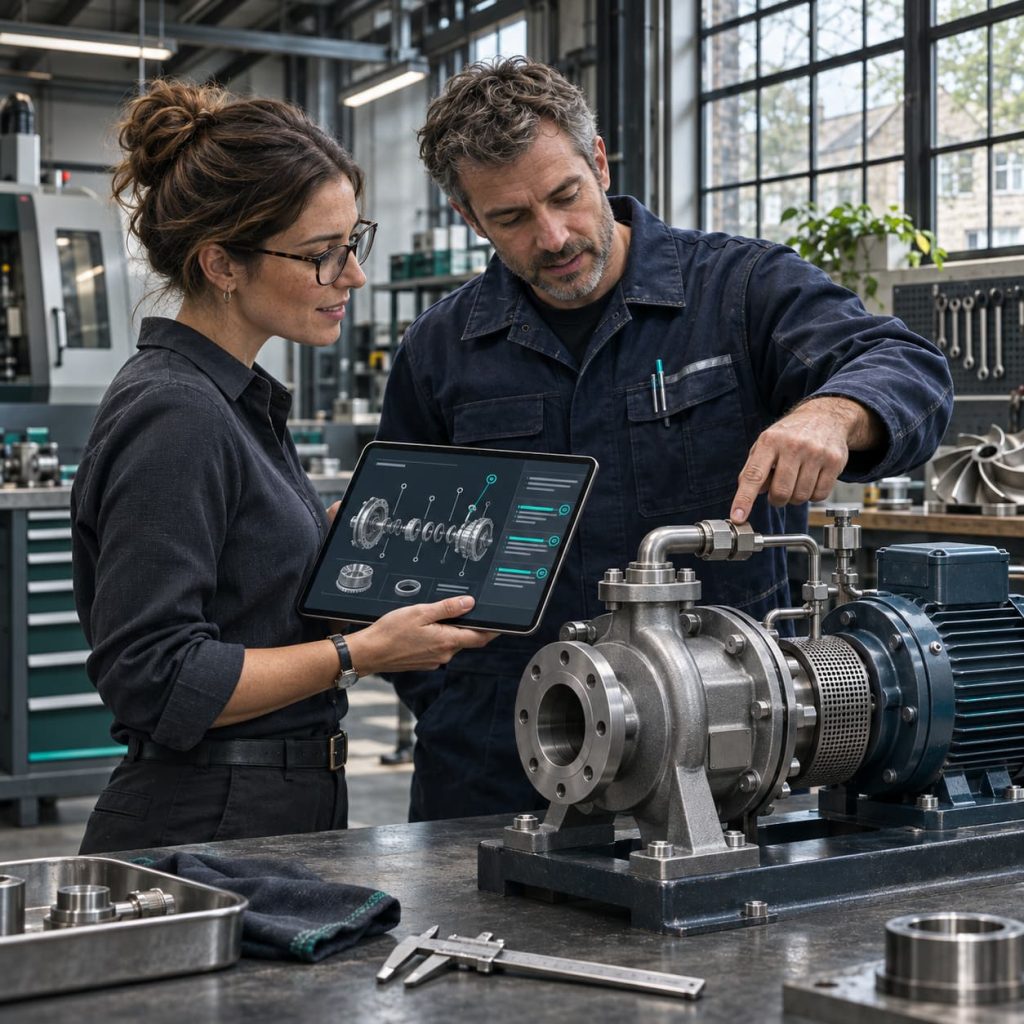
Modern AI tools are remarkably effective at processing large volumes of information quickly. When used appropriately, they can reduce the time spent on repetitive documentation activities while improving productivity.
Typical applications include:
These capabilities can help technical authors work more efficiently, particularly when managing large documentation libraries or repetitive content updates.
However, AI is only as reliable as the information it receives. It does not understand engineering intent in the same way experienced engineers and technical authors do.
Technical documentation isn’t simply about producing well-written sentences. It involves interpreting engineering information, understanding product behaviour and communicating complex procedures accurately to different audiences.
These are areas where human expertise continues to play a critical role.
Experienced technical authors provide:
One issue we increasingly encounter is organisations assuming AI-generated documentation is automatically correct because it reads confidently. In reality, even minor technical inaccuracies can create significant operational, maintenance or safety problems if they remain undetected.
We help engineering businesses turn complex information into clear, accurate documentation.
AI performs best when it works with well-managed information rather than fragmented documentation.
Manufacturers that already use structured authoring, modular content and controlled terminology provide AI with cleaner, more consistent source material. This improves the quality of generated content while reducing inconsistencies.
AI becomes significantly more effective when supported by:
Rather than replacing these documentation practices, AI builds upon them. Organisations with mature documentation processes are therefore better positioned to benefit from AI than those relying on disconnected files and inconsistent content.
As AI becomes more capable, the role of the technical author is evolving rather than disappearing.
Instead of spending hours rewriting repetitive procedures, technical authors can focus on activities that create greater business value.
One pattern we’re seeing is that organisations adopting AI successfully are investing more in documentation strategy, not less. As routine tasks become faster, the importance of accurate information management, review processes and engineering oversight increases.
Artificial intelligence will undoubtedly become an increasingly important part of technical communication. It can improve productivity, reduce repetitive work and help manufacturers manage growing documentation demands.
However, AI cannot replace clear engineering processes, accurate source information or experienced technical judgement. Organisations that expect AI to compensate for inconsistent documentation often discover that it simply reproduces existing problems more quickly.
The manufacturers likely to gain the greatest long-term value are those combining AI with structured authoring, documentation governance and lifecycle information management. In this environment, AI becomes a powerful assistant rather than an unreliable substitute for engineering expertise.
The future of technical documentation isn’t human or AI. It’s human expertise supported by intelligent tools.
AI is already changing how technical documentation is created, maintained and delivered. Used responsibly, it can accelerate routine tasks, improve consistency and support more efficient documentation workflows.
But successful technical documentation still depends on accurate engineering knowledge, effective collaboration and professional judgement. Manufacturers that combine AI with robust documentation processes will be better equipped to support digital transformation, reduce documentation costs and deliver reliable information throughout the product lifecycle. AI isn’t replacing technical authors—it is redefining how they create value.
If you’re considering AI as part of your technical documentation strategy, it’s worth reviewing your existing documentation processes first. Clean, structured and well-governed information delivers far better AI outcomes than fragmented legacy content. Wilson Publications helps manufacturers modernise technical documentation through structured authoring, technical illustration, documentation governance and lifecycle information management, creating the strong foundations needed to benefit from AI both now and in the future.
AI can assist with drafting, summarising and improving documentation, but technical information should always be reviewed by qualified technical authors or subject matter experts to verify engineering accuracy and suitability for the intended audience.
AI is changing how technical authors work by automating repetitive tasks, but it does not replace the need for engineering understanding, professional judgement, collaboration with subject matter experts and quality assurance.
The best preparation is to improve documentation quality first. Structured authoring, controlled terminology, modular content, document governance and accurate engineering information provide a much stronger foundation for AI-assisted workflows.
AI can support translation workflows, terminology management and content preparation, but professional review remains important to ensure technical accuracy, regulatory compliance and consistency across languages.
The greatest risk is accepting technically incorrect or outdated content without appropriate engineering review. AI-generated text may appear convincing even when it contains factual errors or omits important technical context.