A technical manual is far more than a collection of instructions. It is a structured source of information that helps users install, operate, maintain or repair a product safely and efficiently.
Whether it’s an operation manual, service manual or maintenance manual, every technical publication should be designed around the needs of its intended audience. Clear organisation, accurate information and logical navigation are just as important as the technical content itself.
In this guide, we’ll break down the essential components of an effective technical manual and explain why thoughtful structure plays a critical role in supporting both manufacturers and end users.
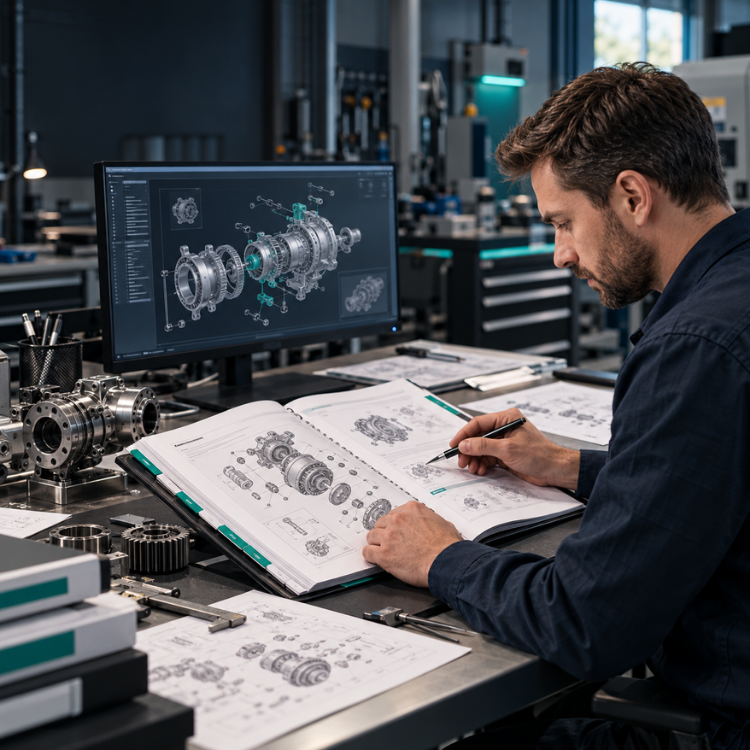
Every effective technical manual begins with a clear understanding of who the document is for and what it is intended to achieve. A manual written for equipment operators will differ significantly from one created for service technicians or maintenance engineers.
Before writing begins, manufacturers should define the intended audience, the tasks readers need to complete and the level of technical knowledge they are expected to have. This helps determine the depth of information, terminology and level of detail required throughout the document.
Questions to consider include:
Answering these questions at the planning stage creates a stronger foundation for the entire publication and helps ensure the finished manual delivers practical value to its users.
A well-structured manual allows users to locate information quickly without searching through unnecessary content. Good organisation improves usability and reduces the time required to complete technical tasks.
Although every publication is different, most technical manuals include a logical sequence of sections such as:
Consistent headings, numbering systems and page layouts also help readers navigate documentation more efficiently, particularly when manuals are updated over many years.
We help engineering businesses turn complex information into clear, accurate documentation.
Even the most technically accurate manual can become difficult to use if information is presented poorly. Technical writing should be clear, concise and focused on helping readers complete tasks successfully.
Short paragraphs, descriptive headings and consistent terminology all contribute to making documentation easier to understand. Instructions should be written in a logical sequence, avoiding unnecessary complexity wherever possible.
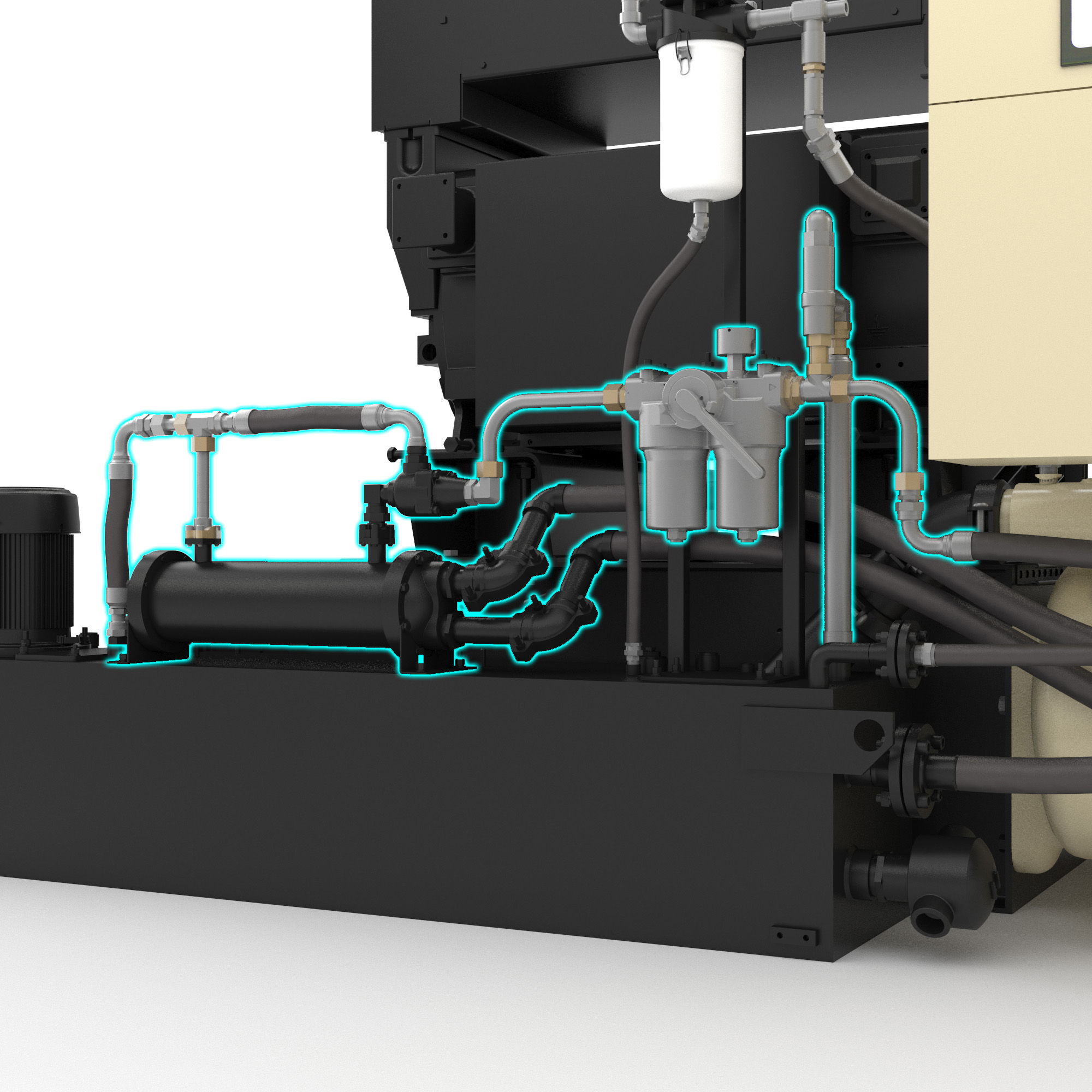
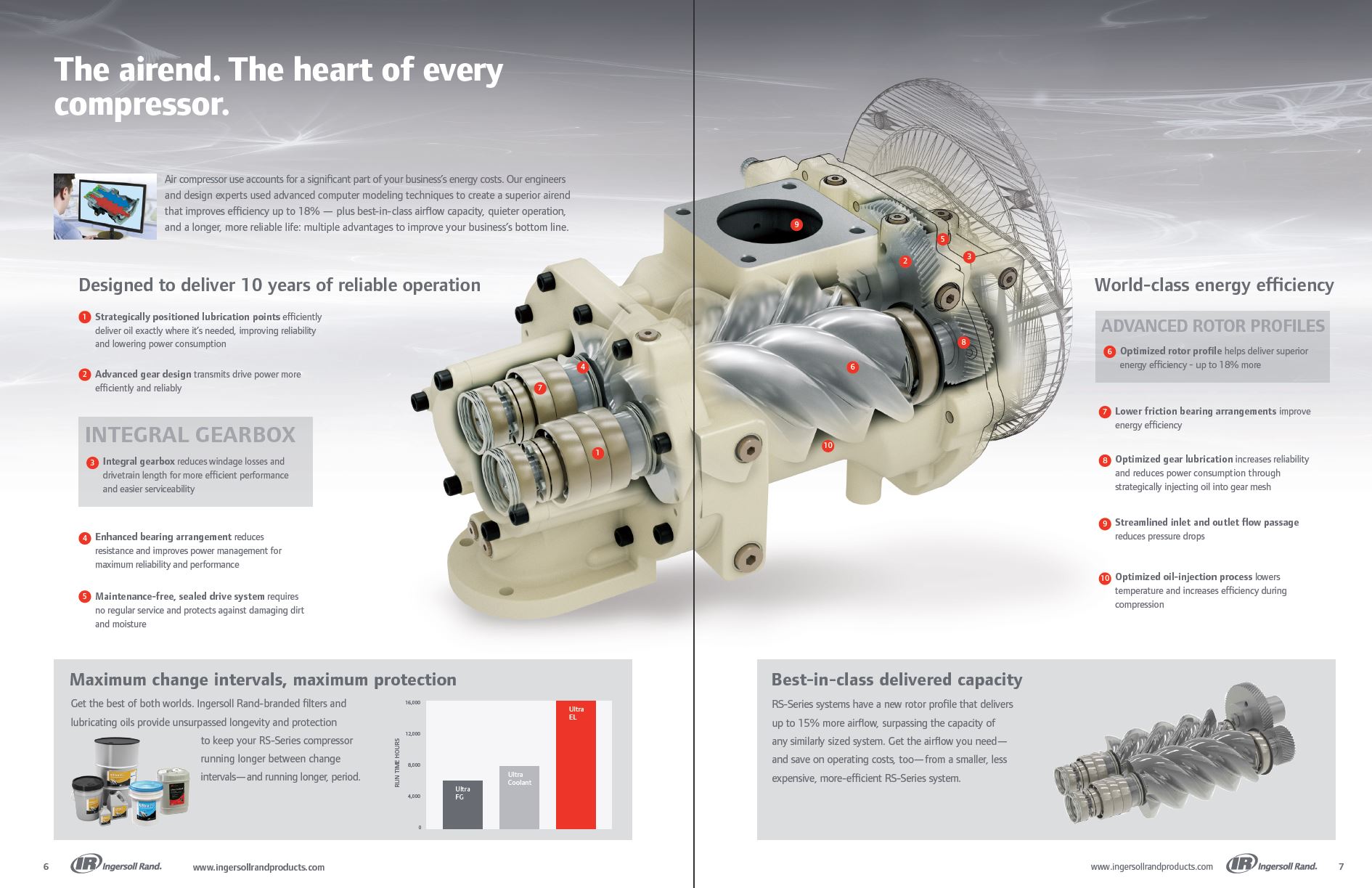
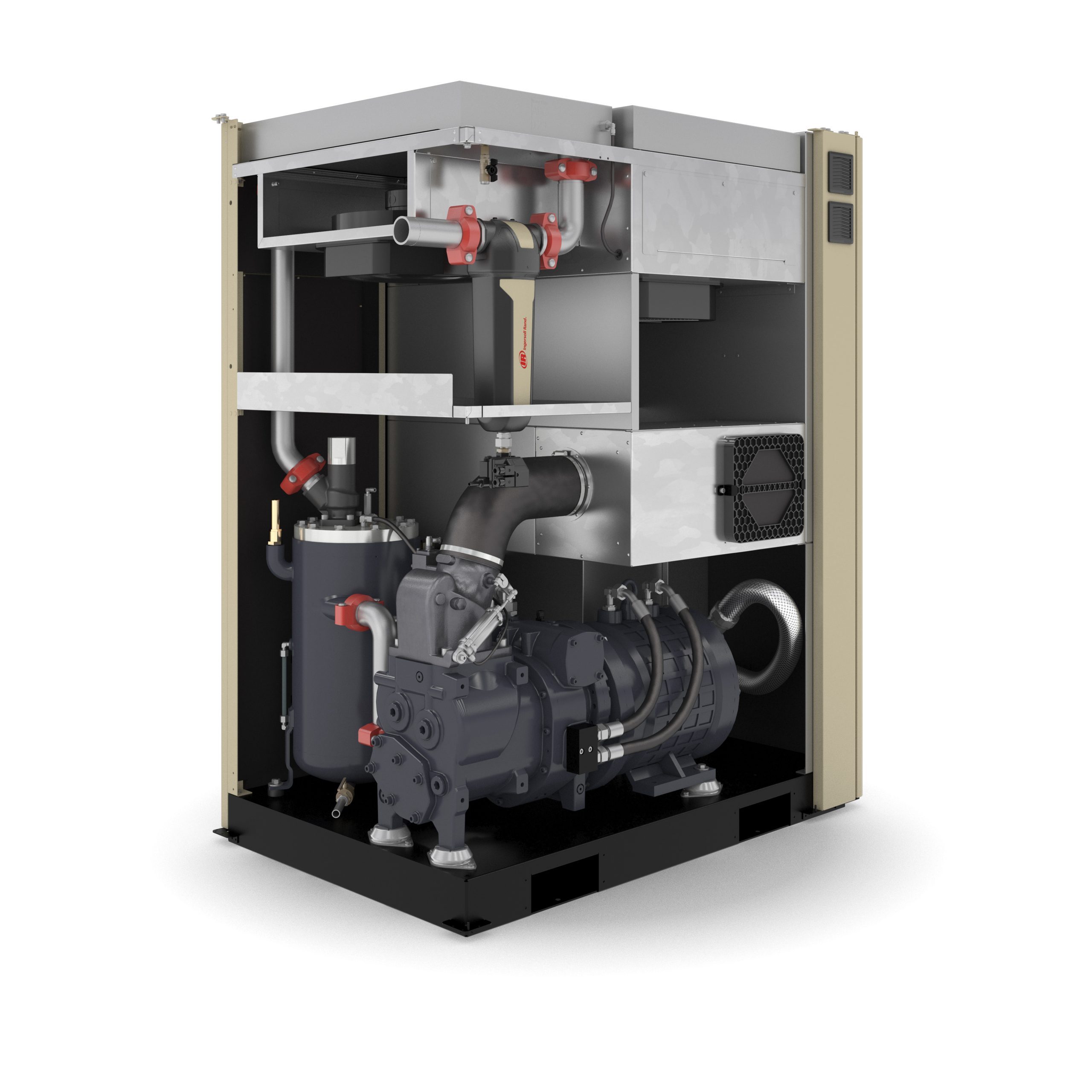
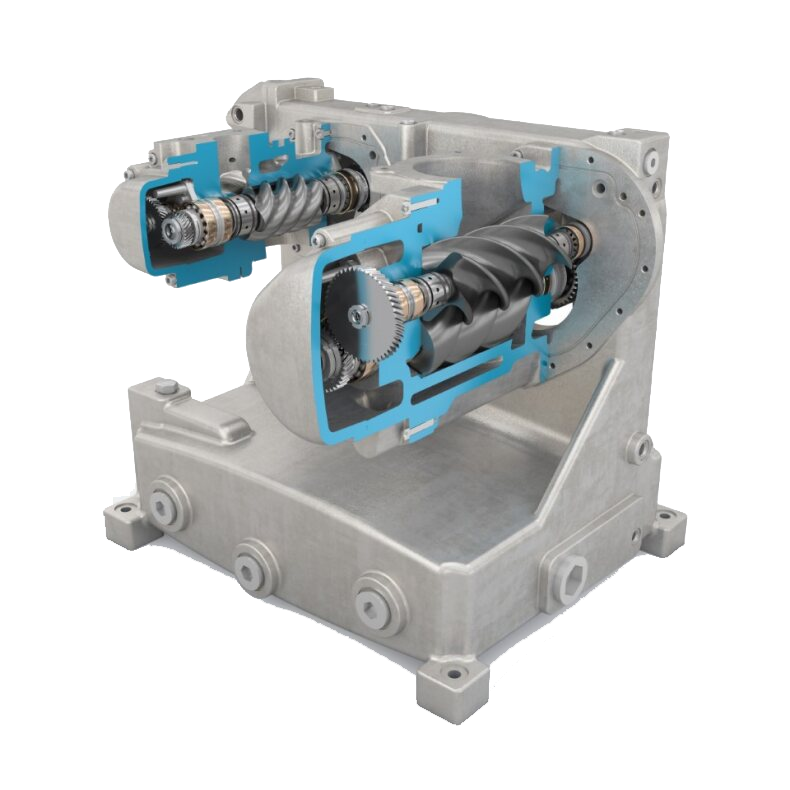
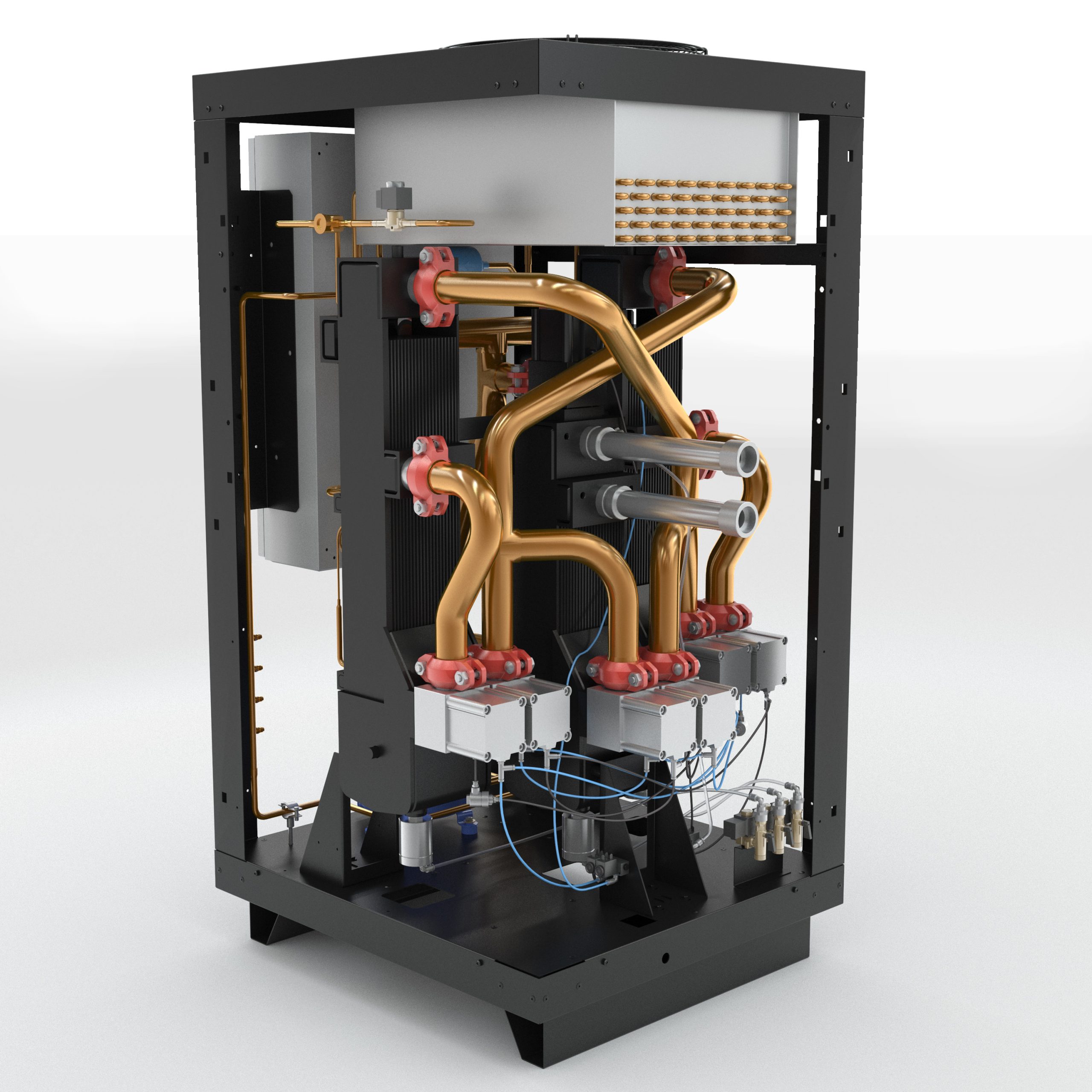
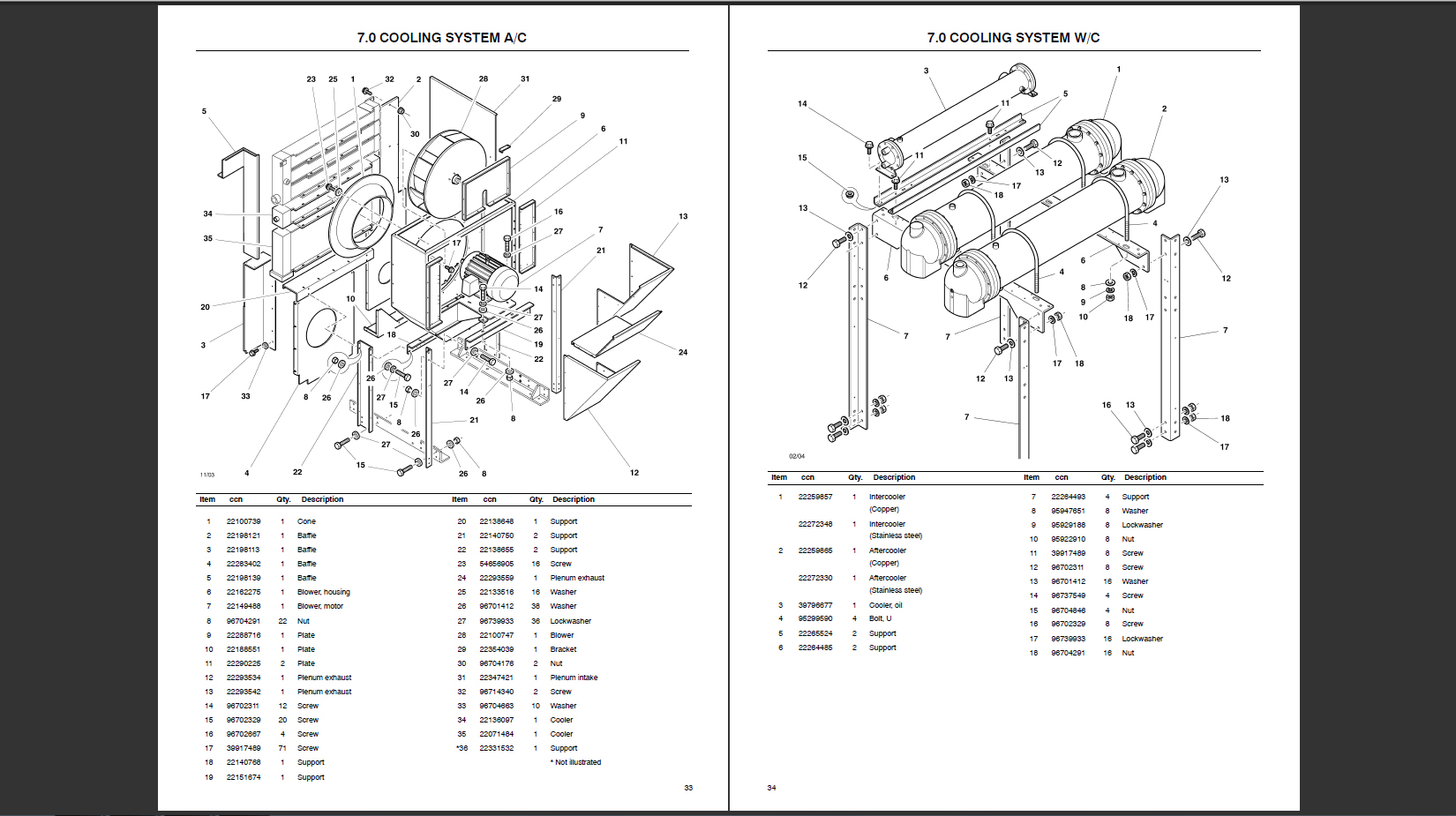
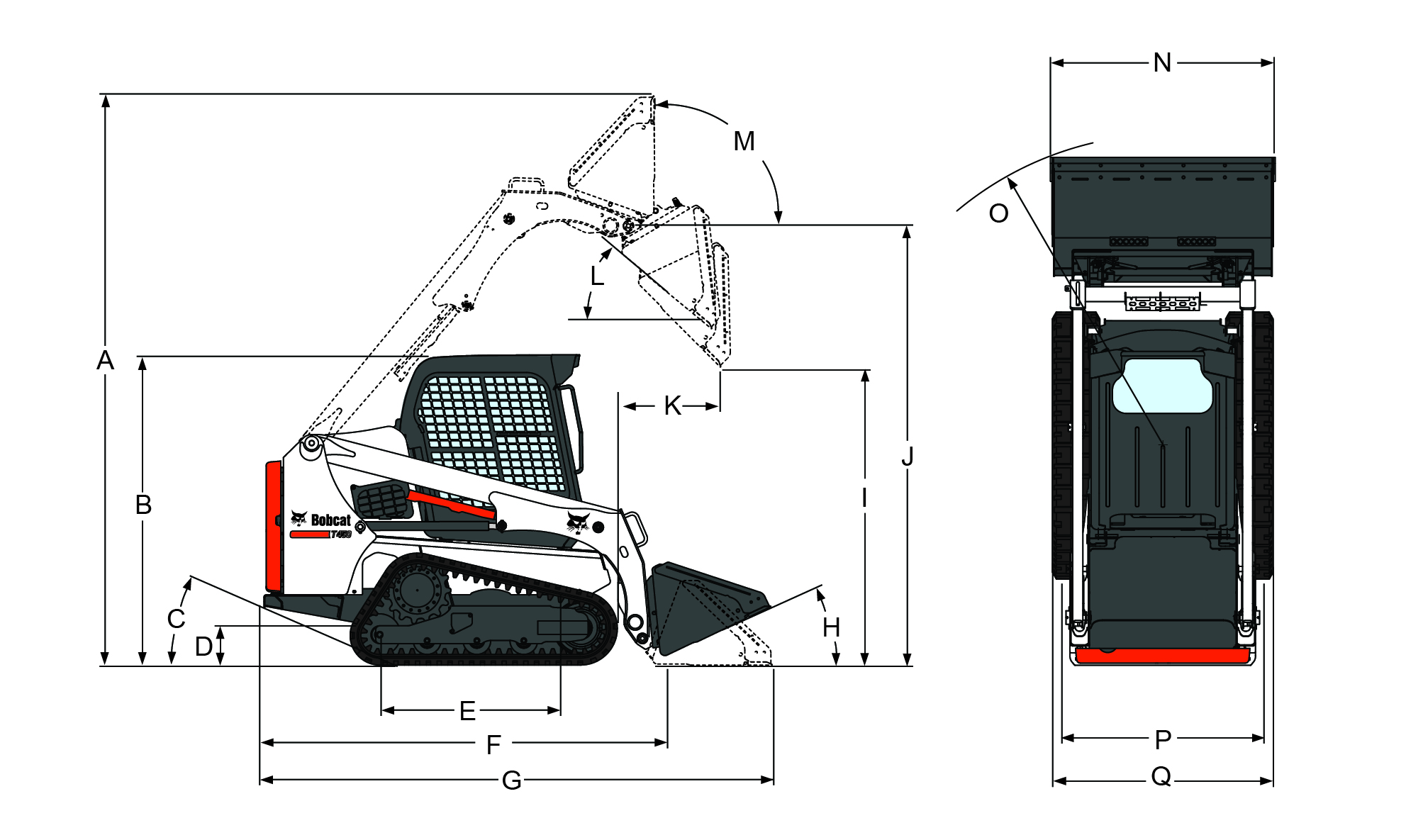
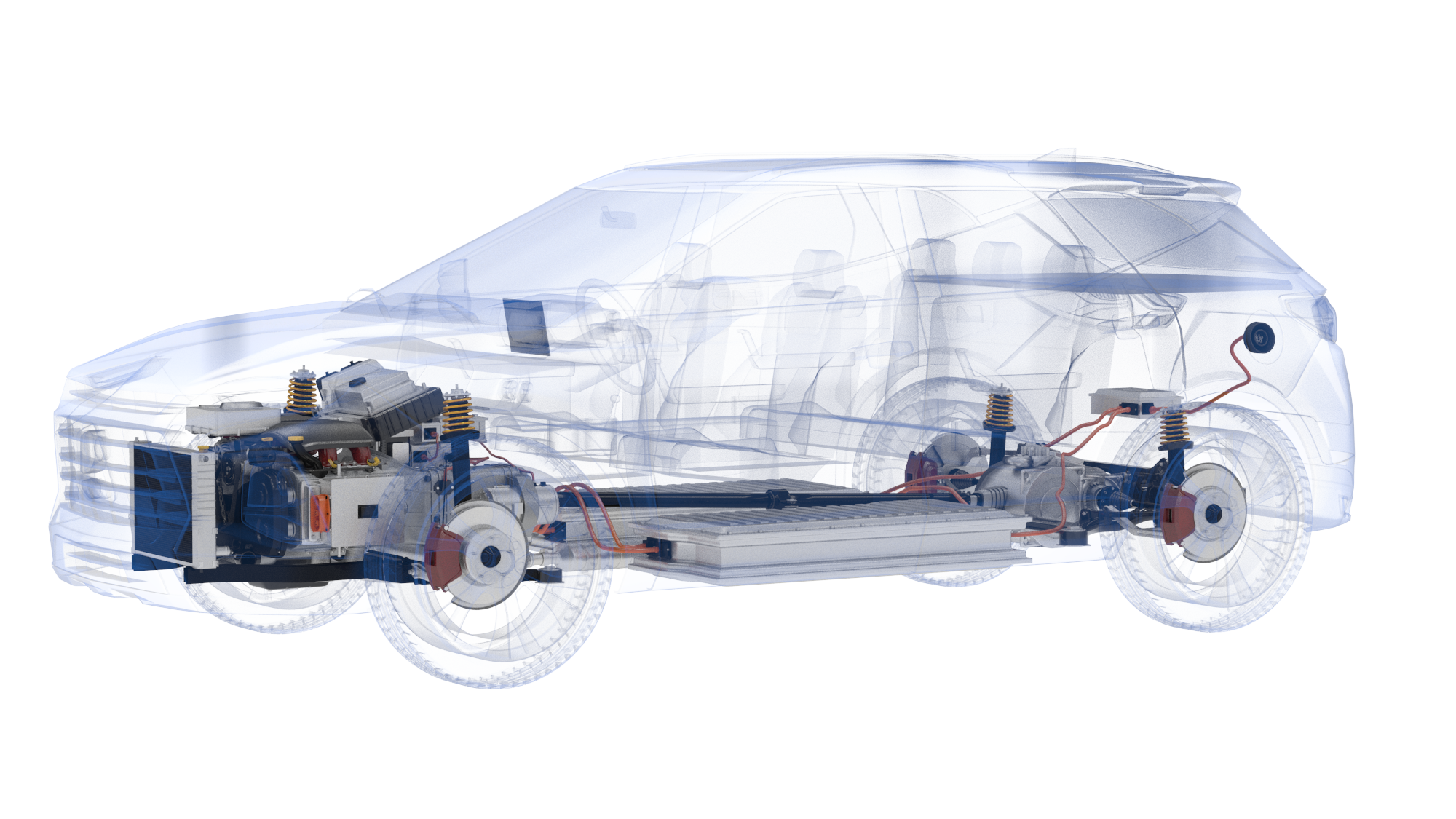
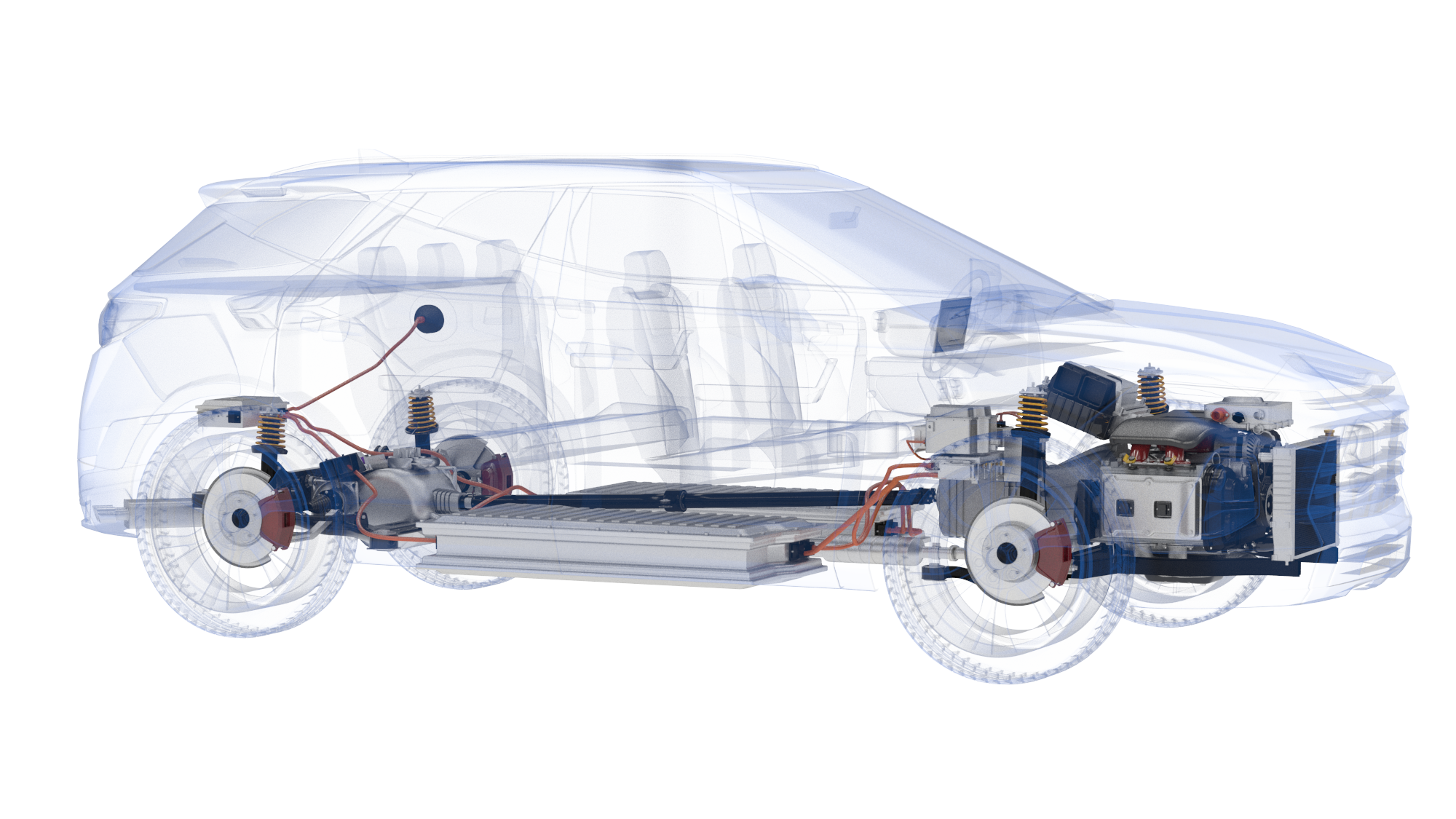
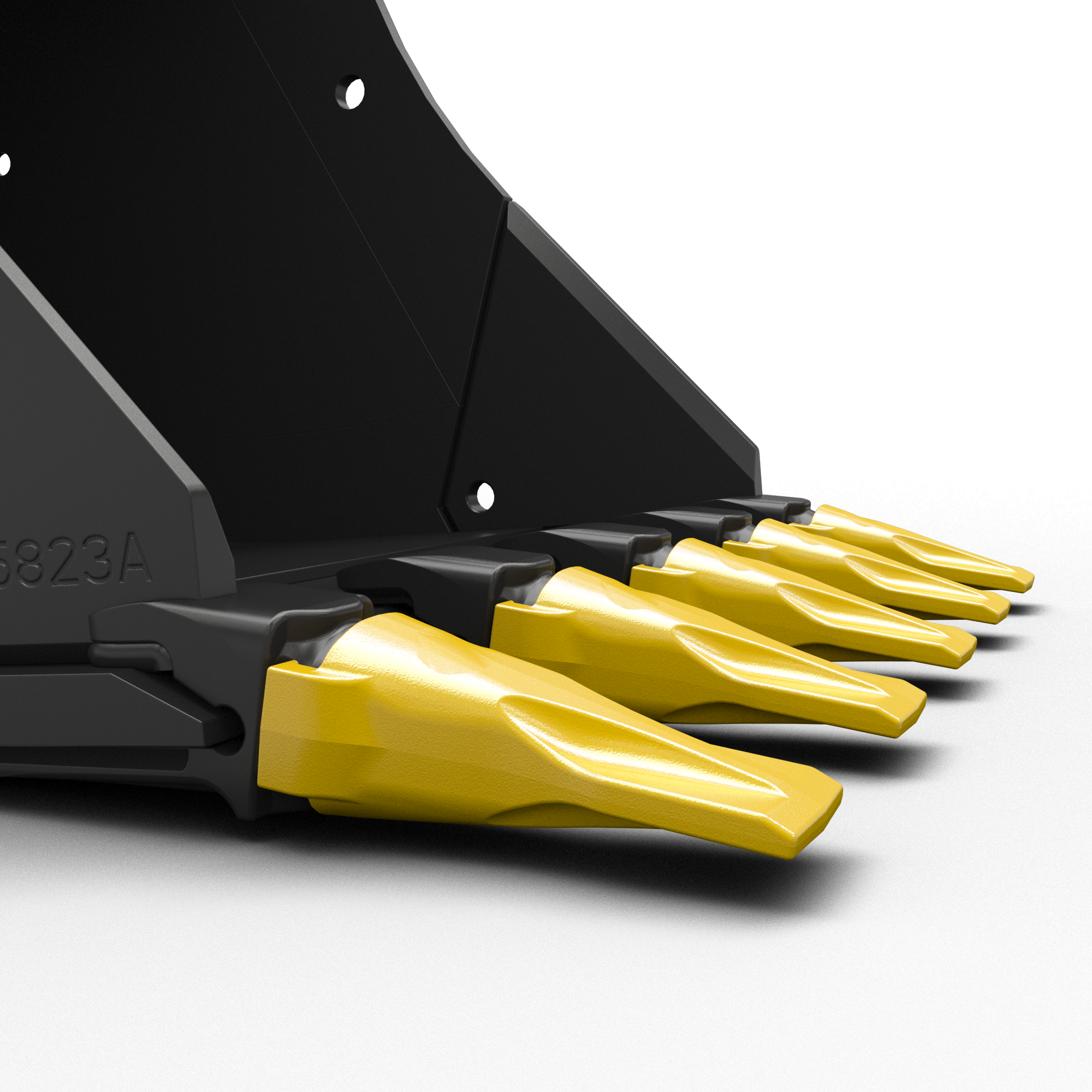
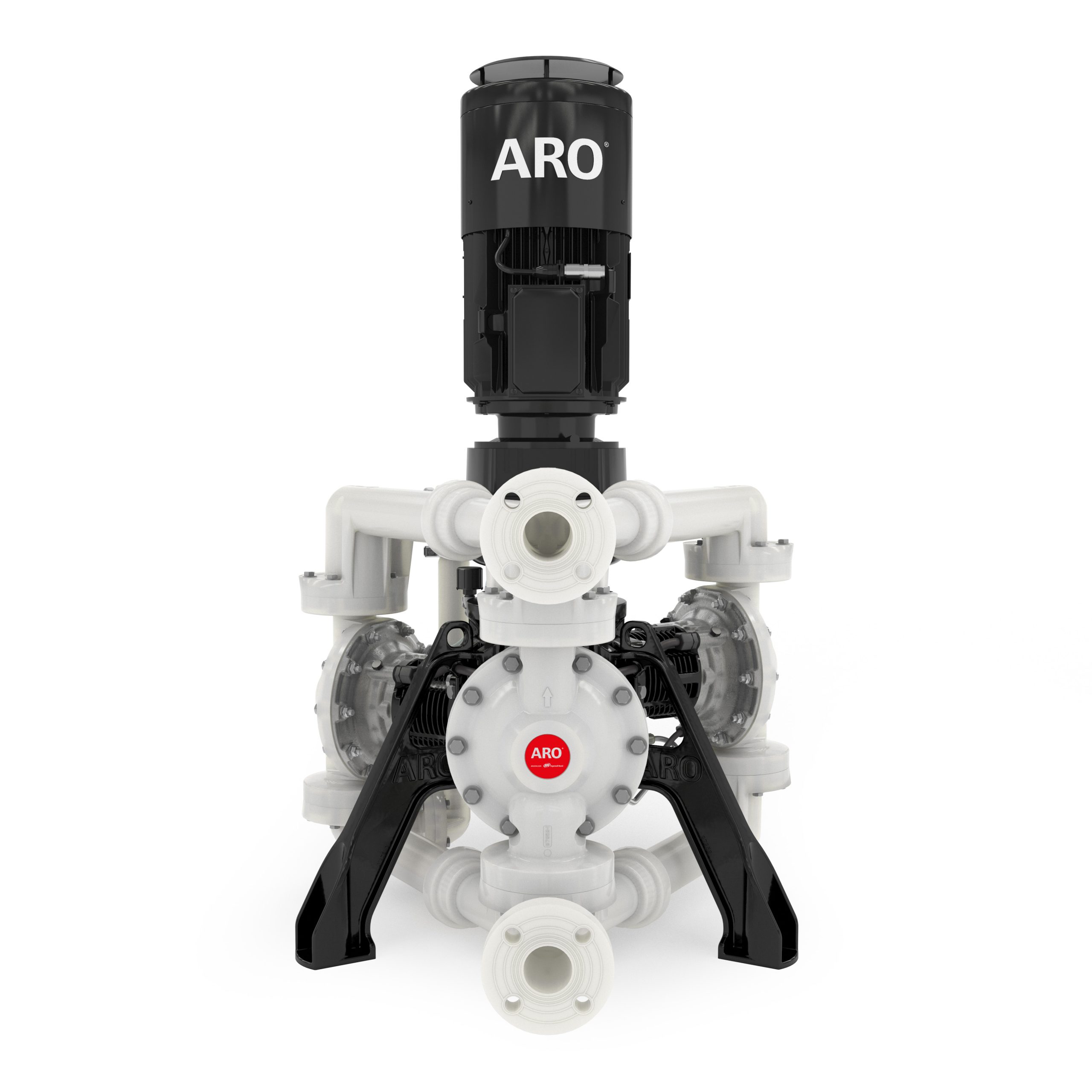
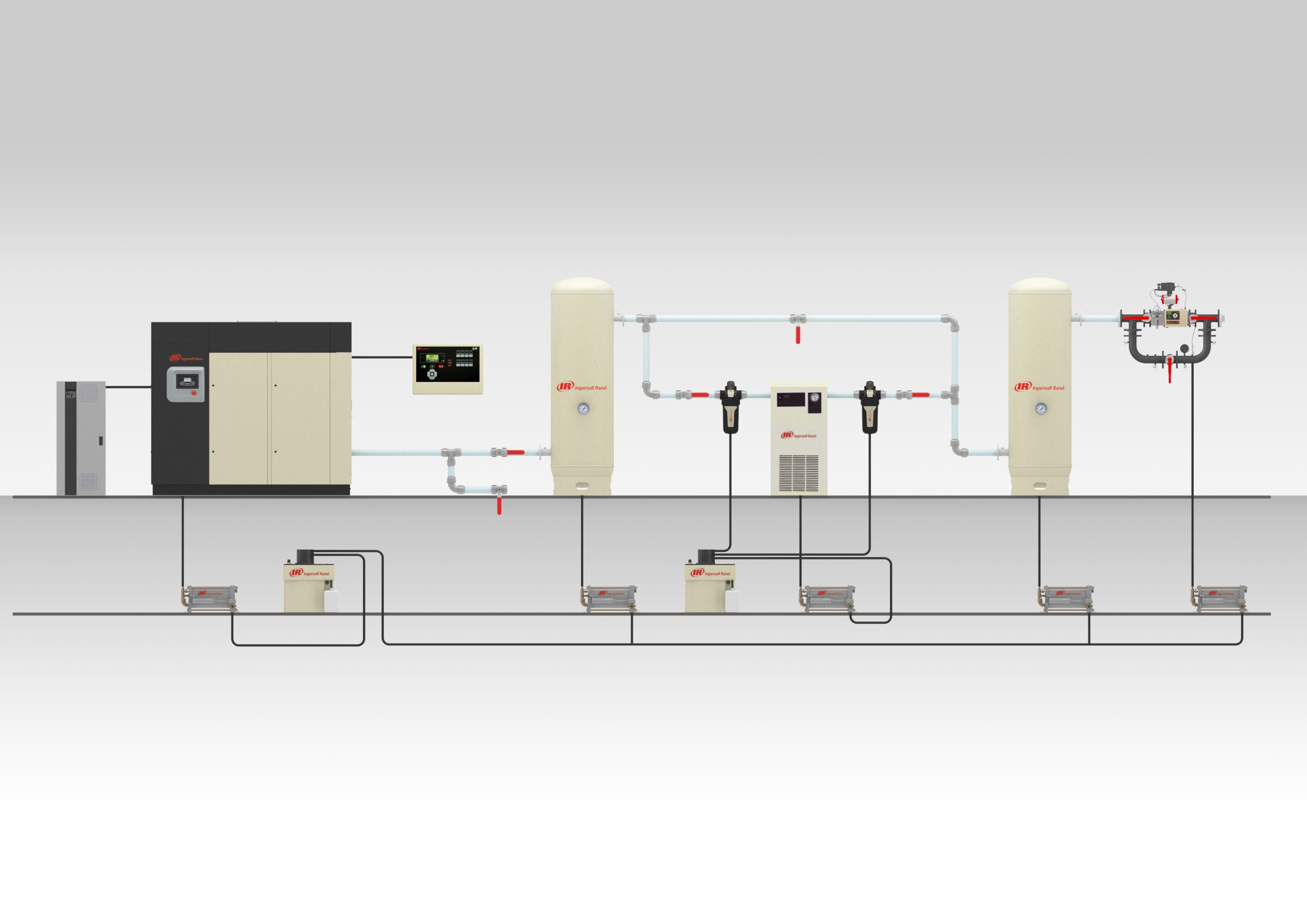
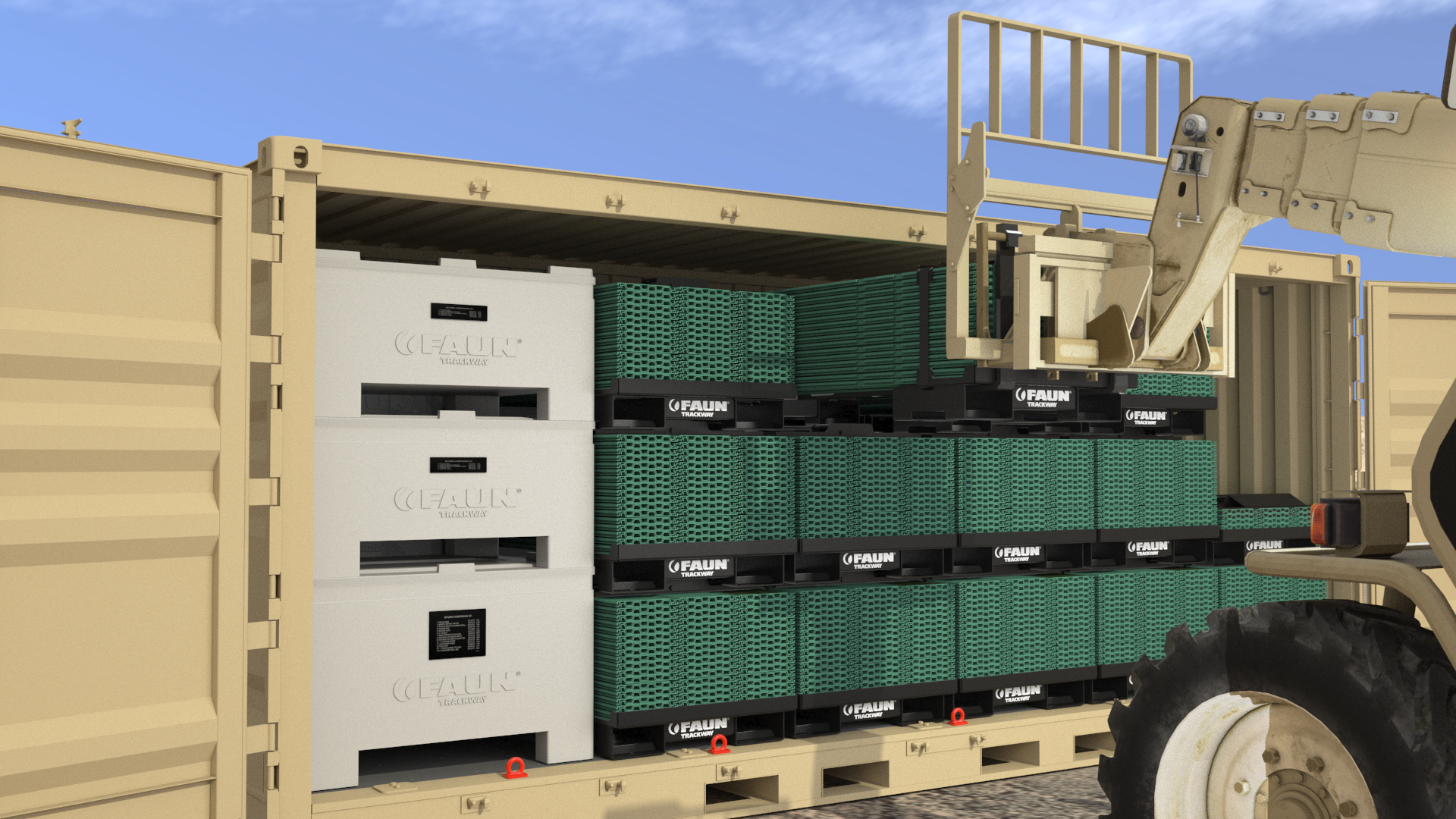
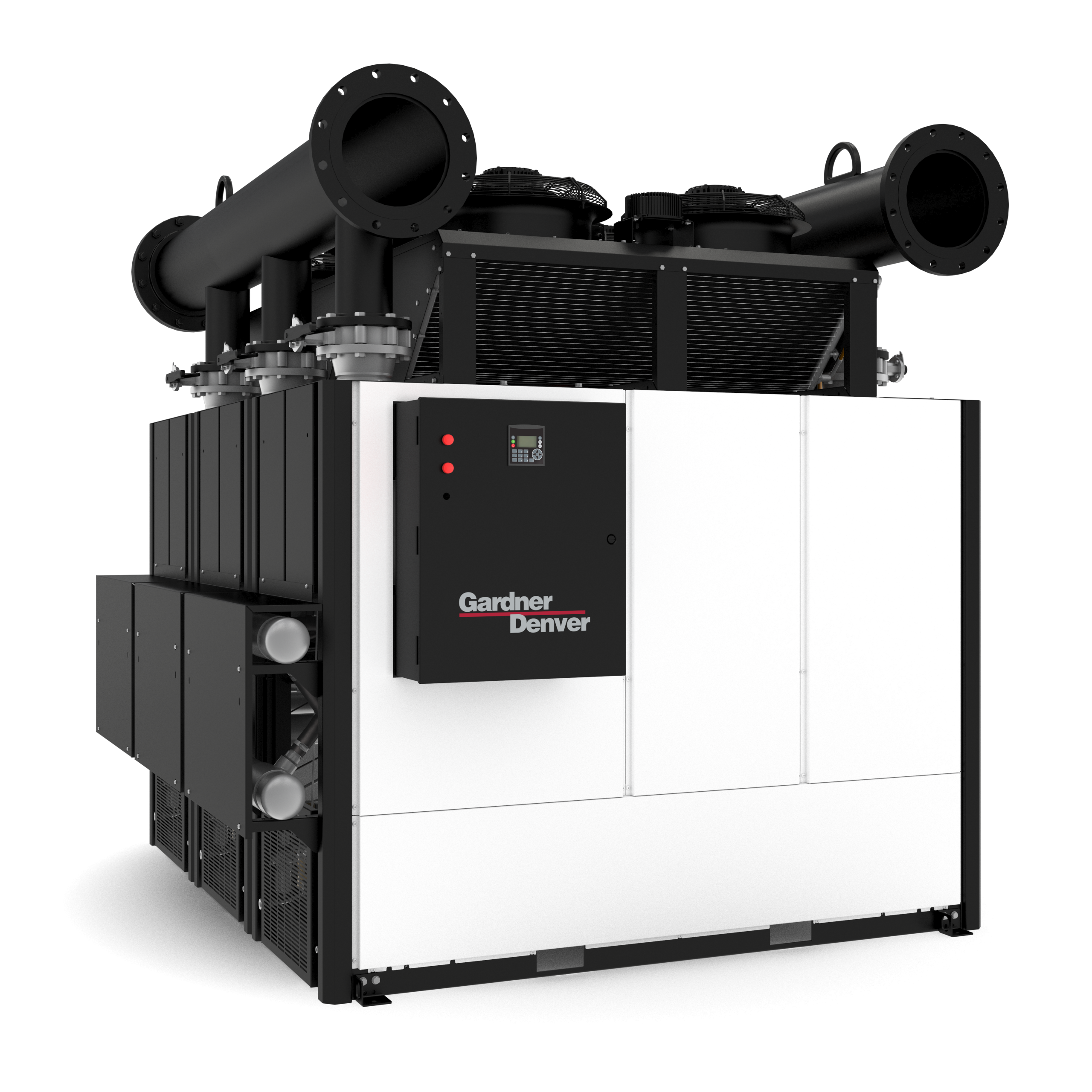
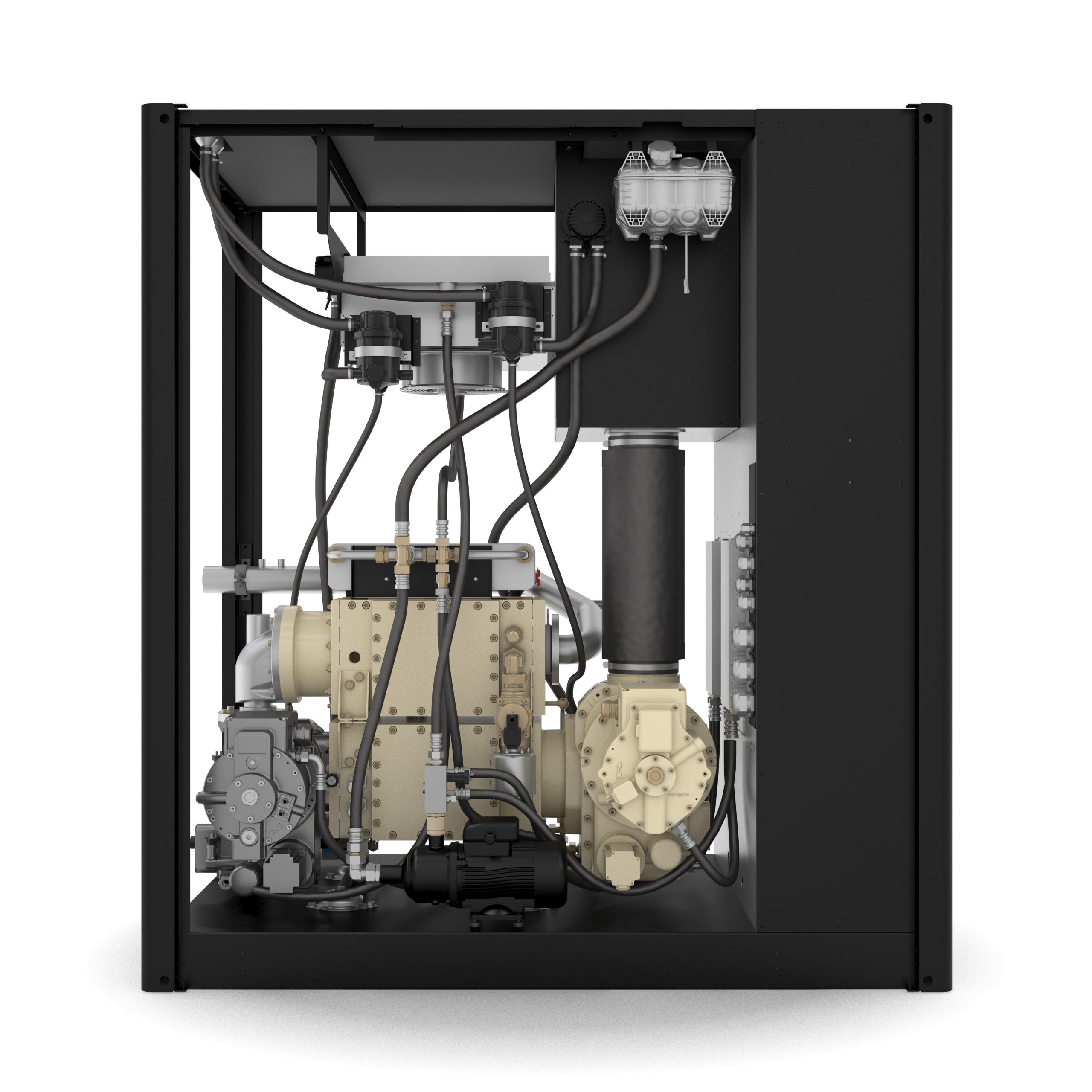
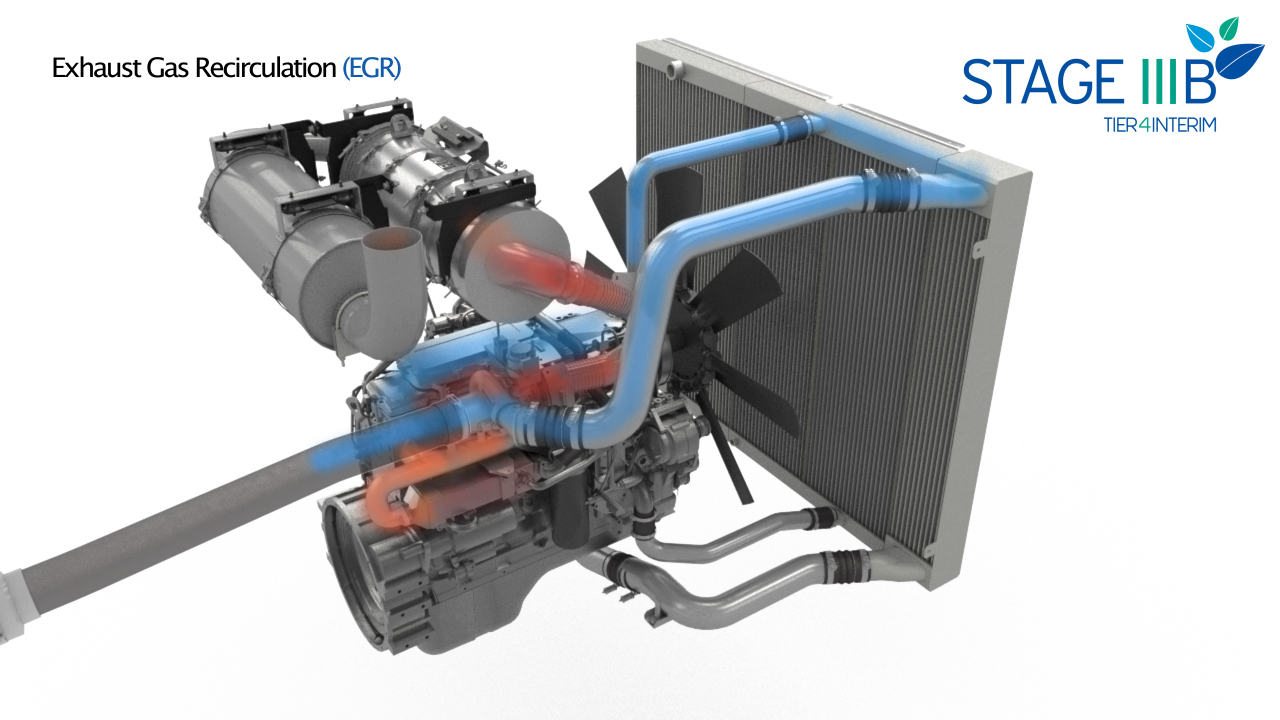
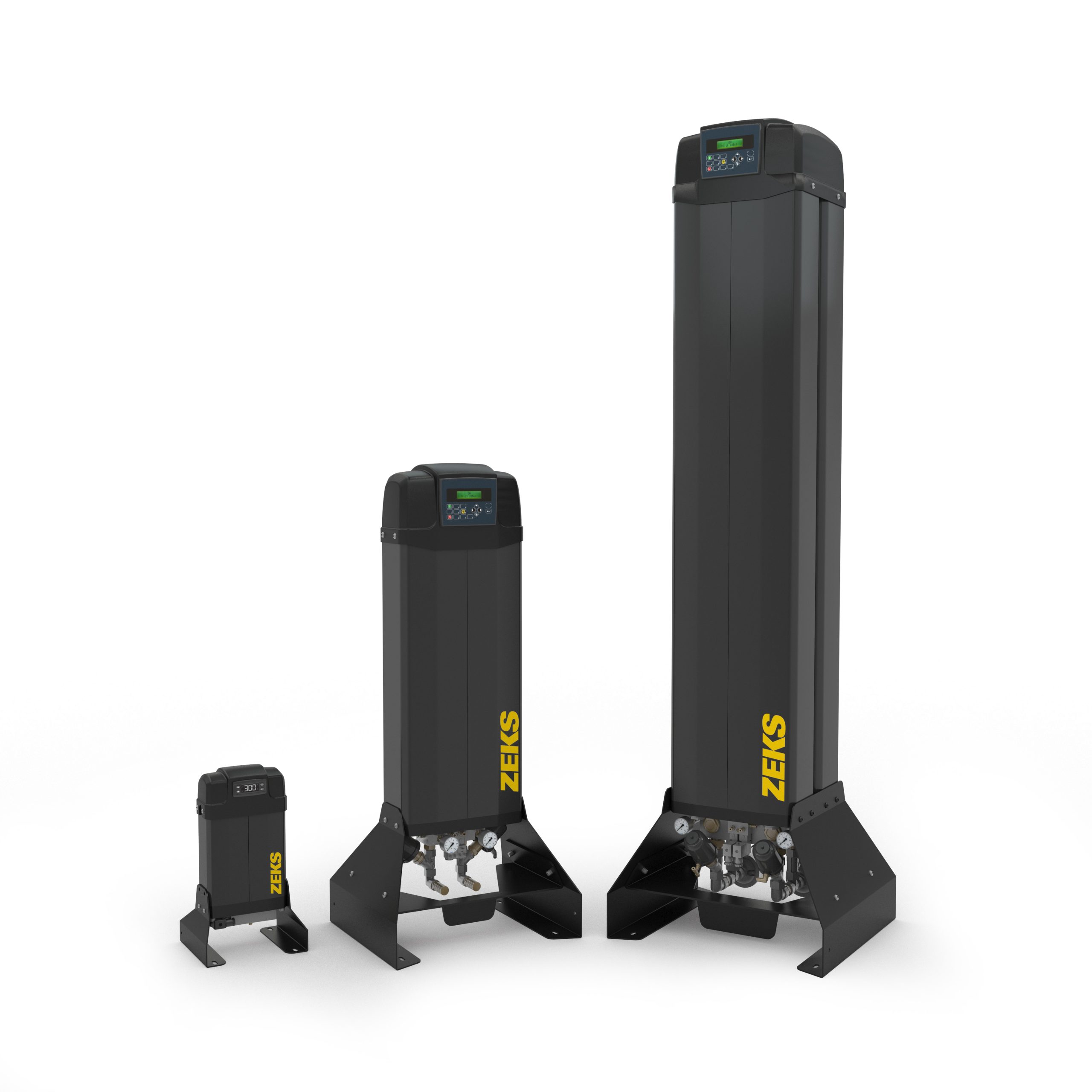
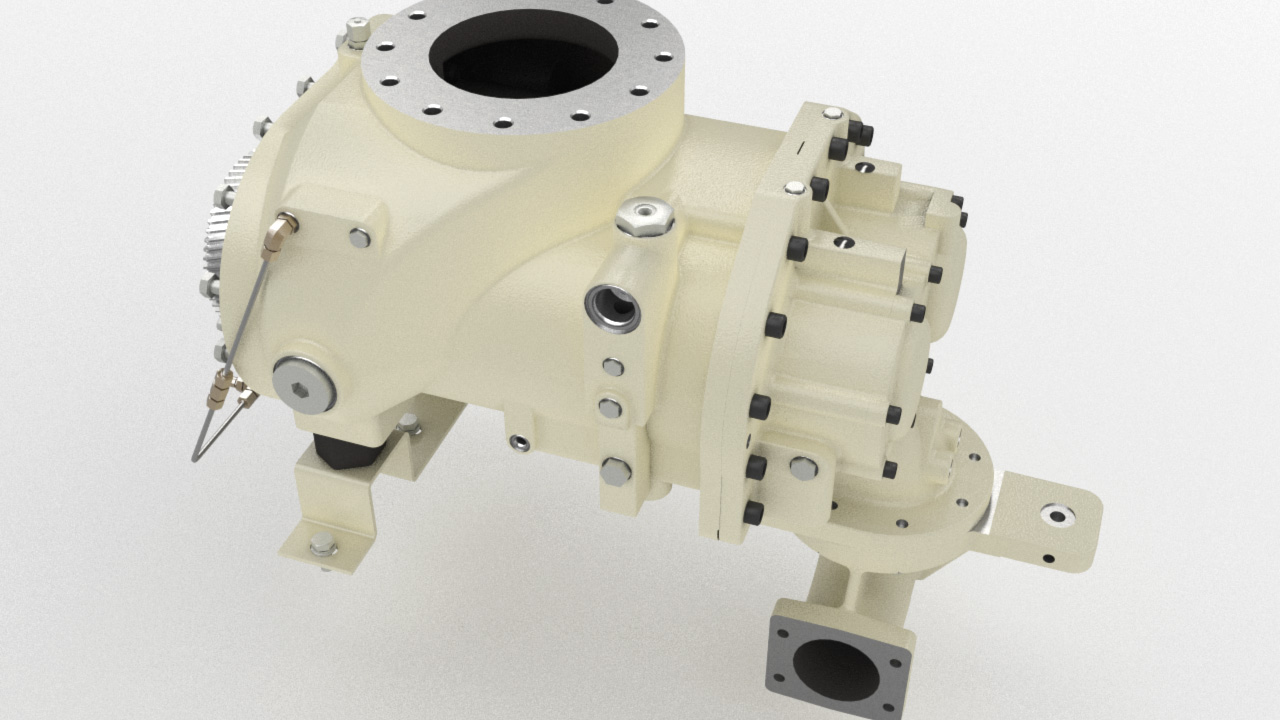
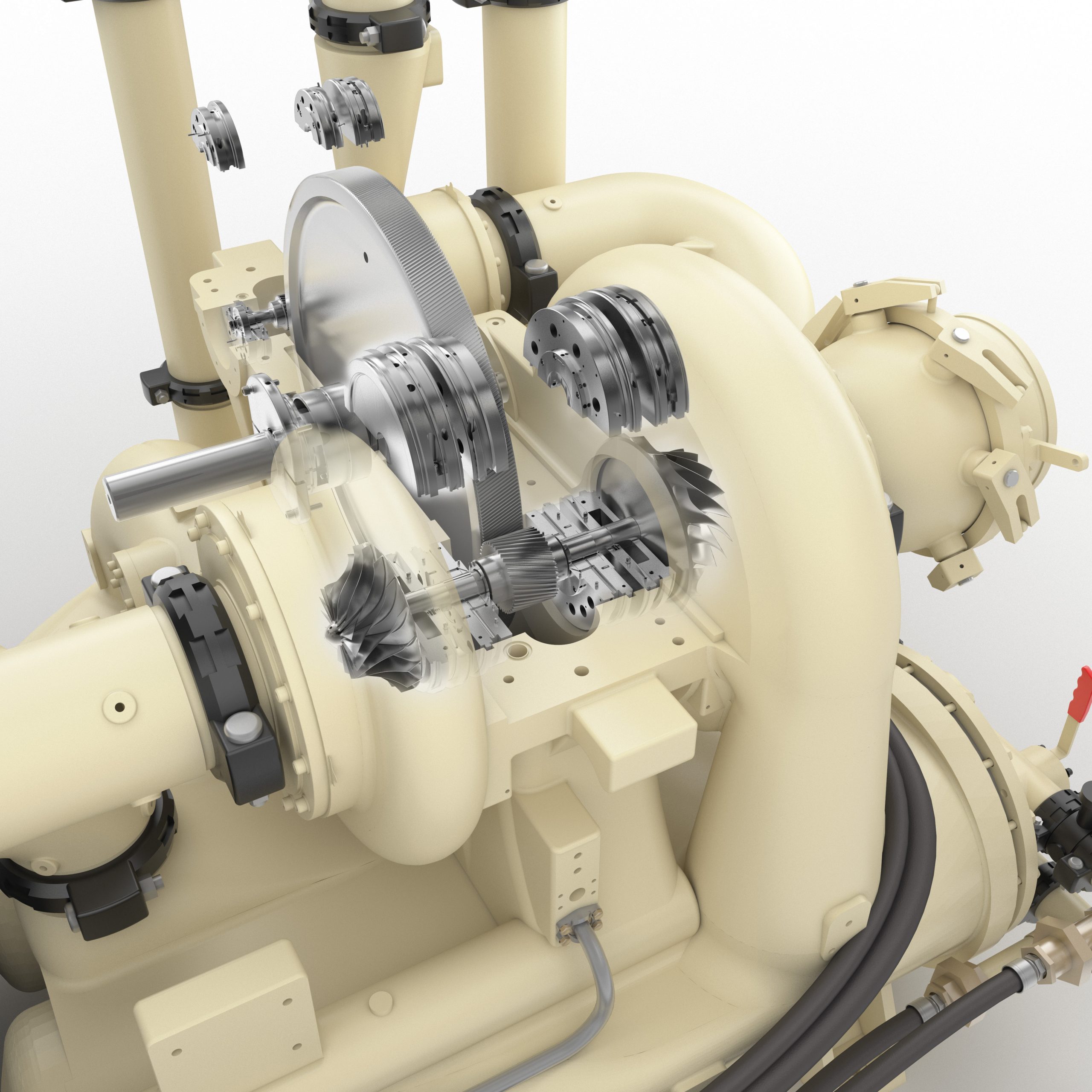
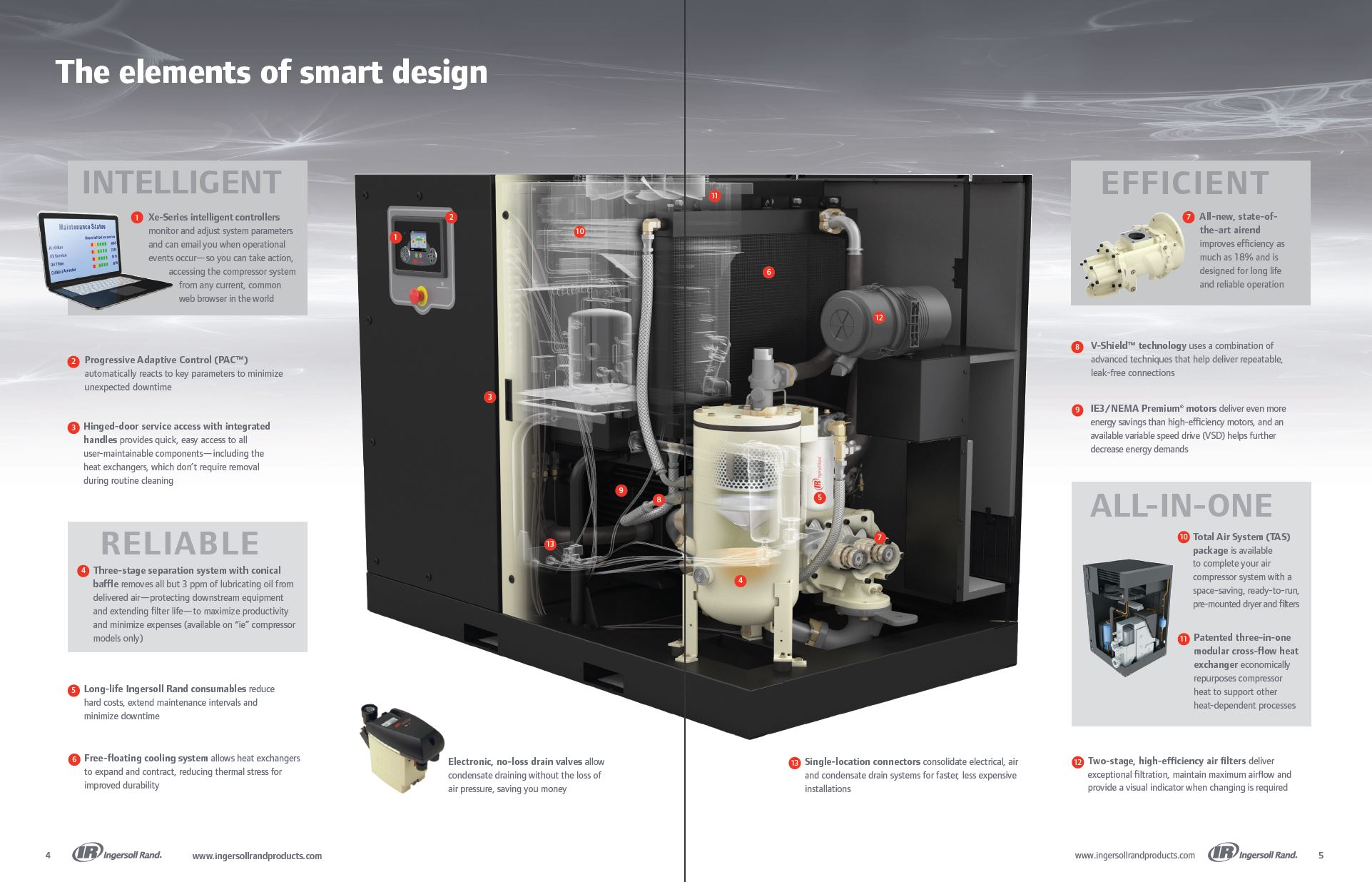
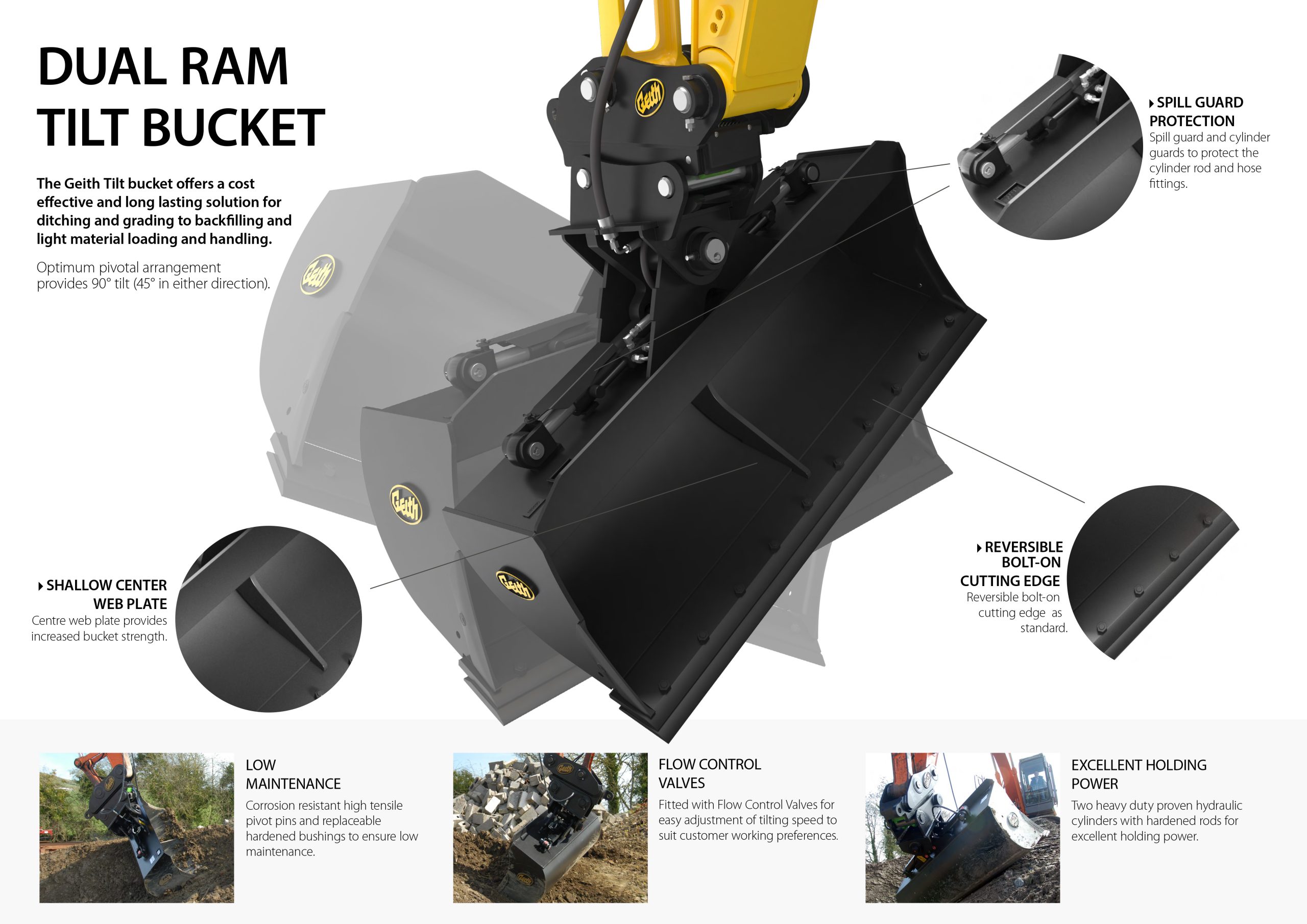
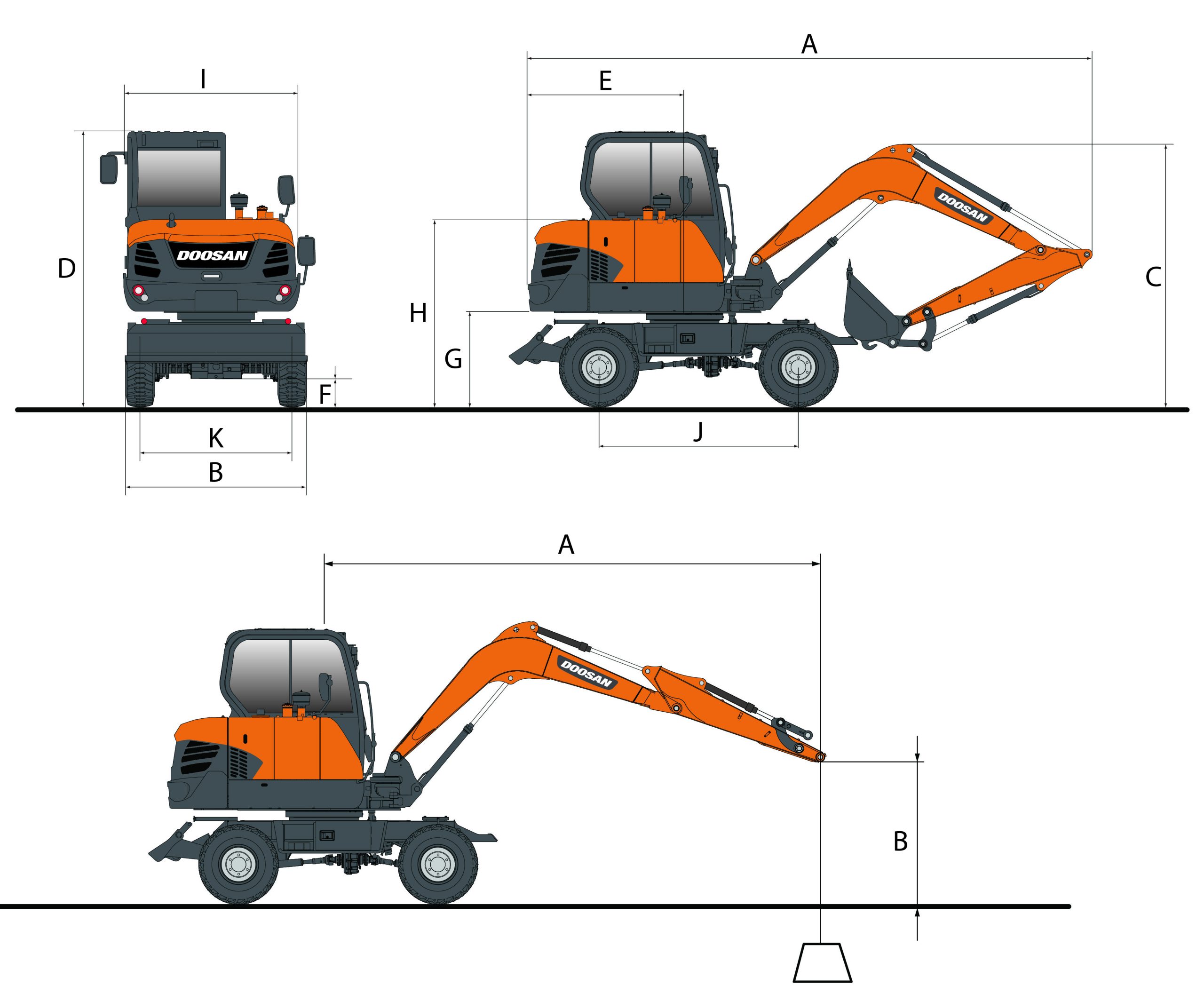
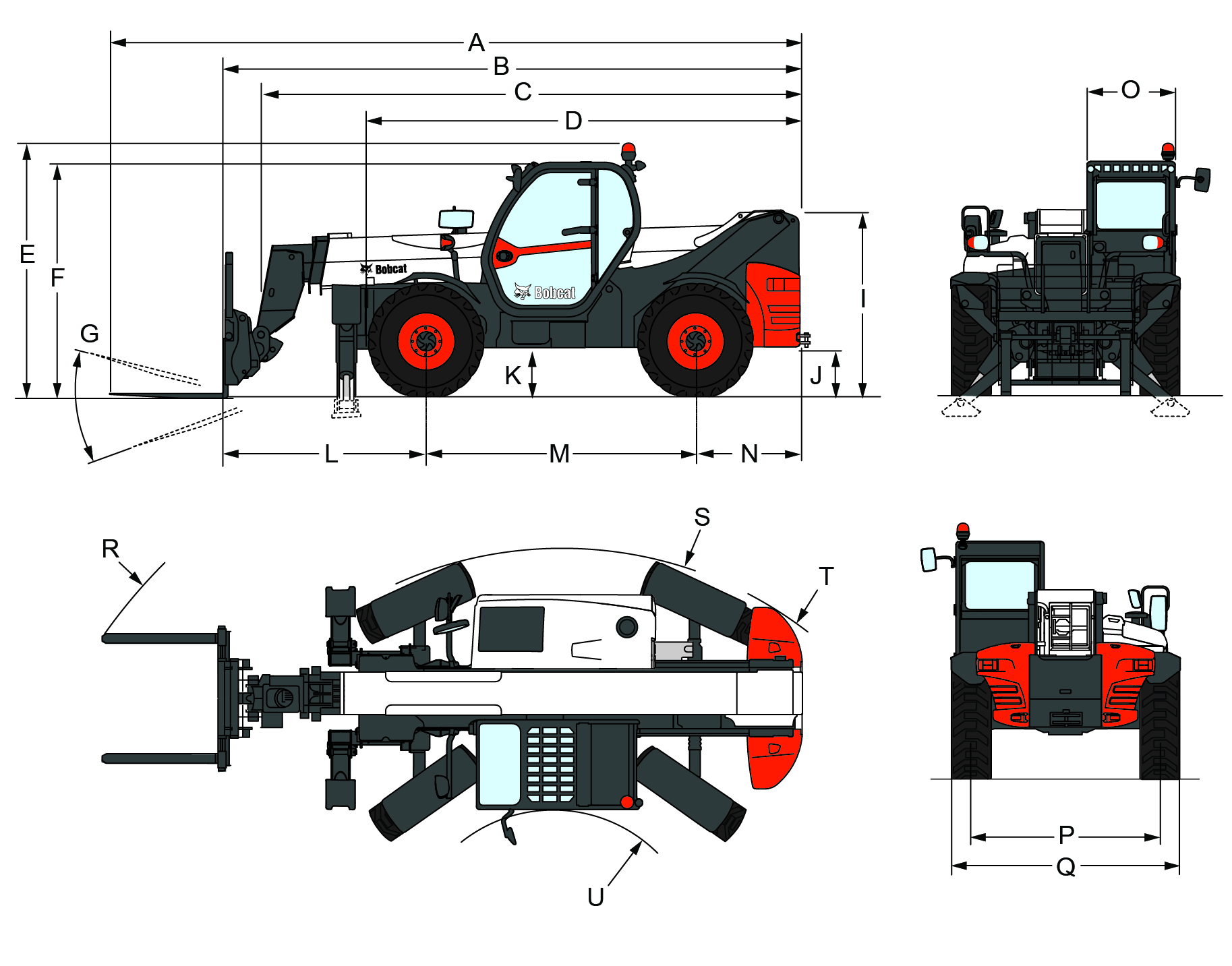
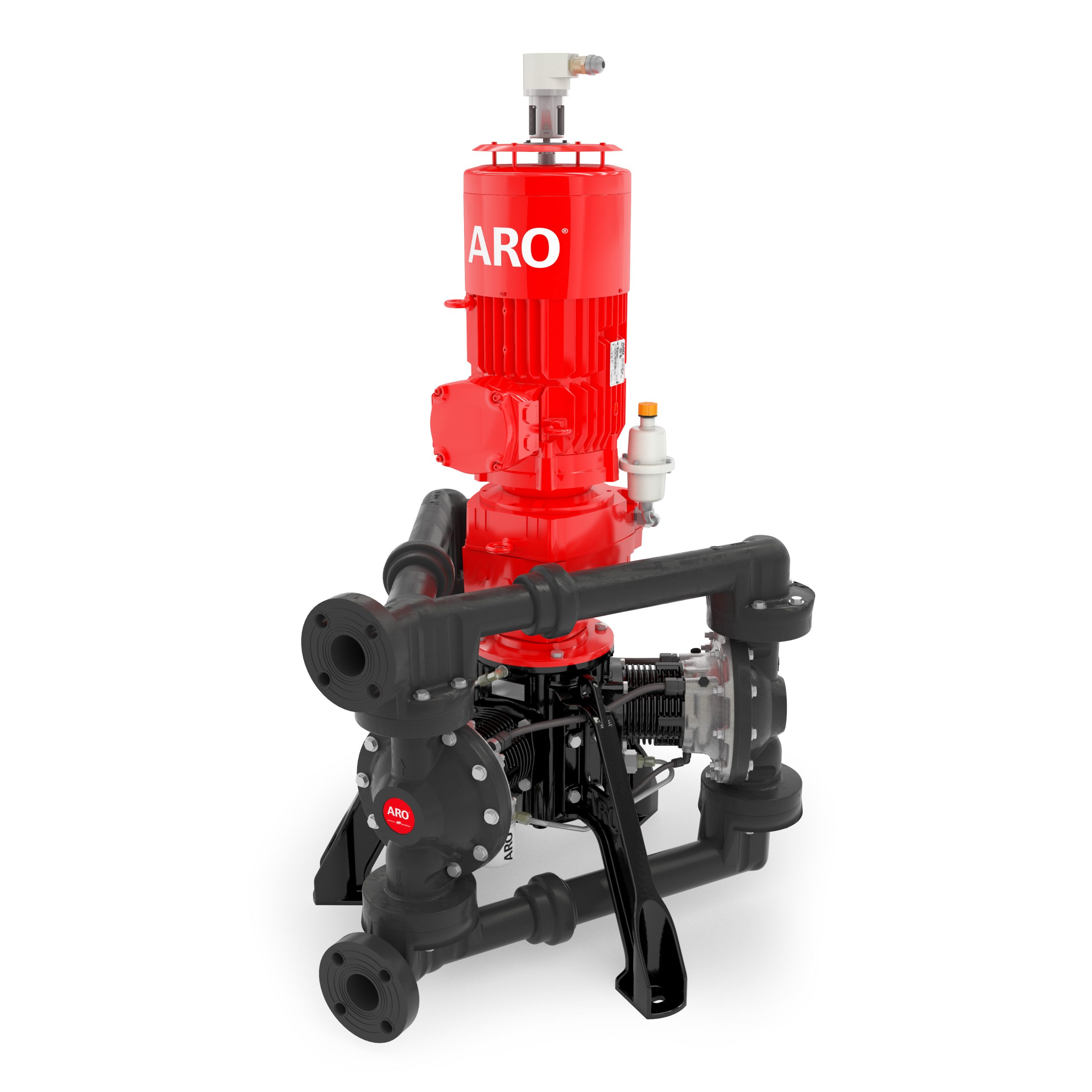
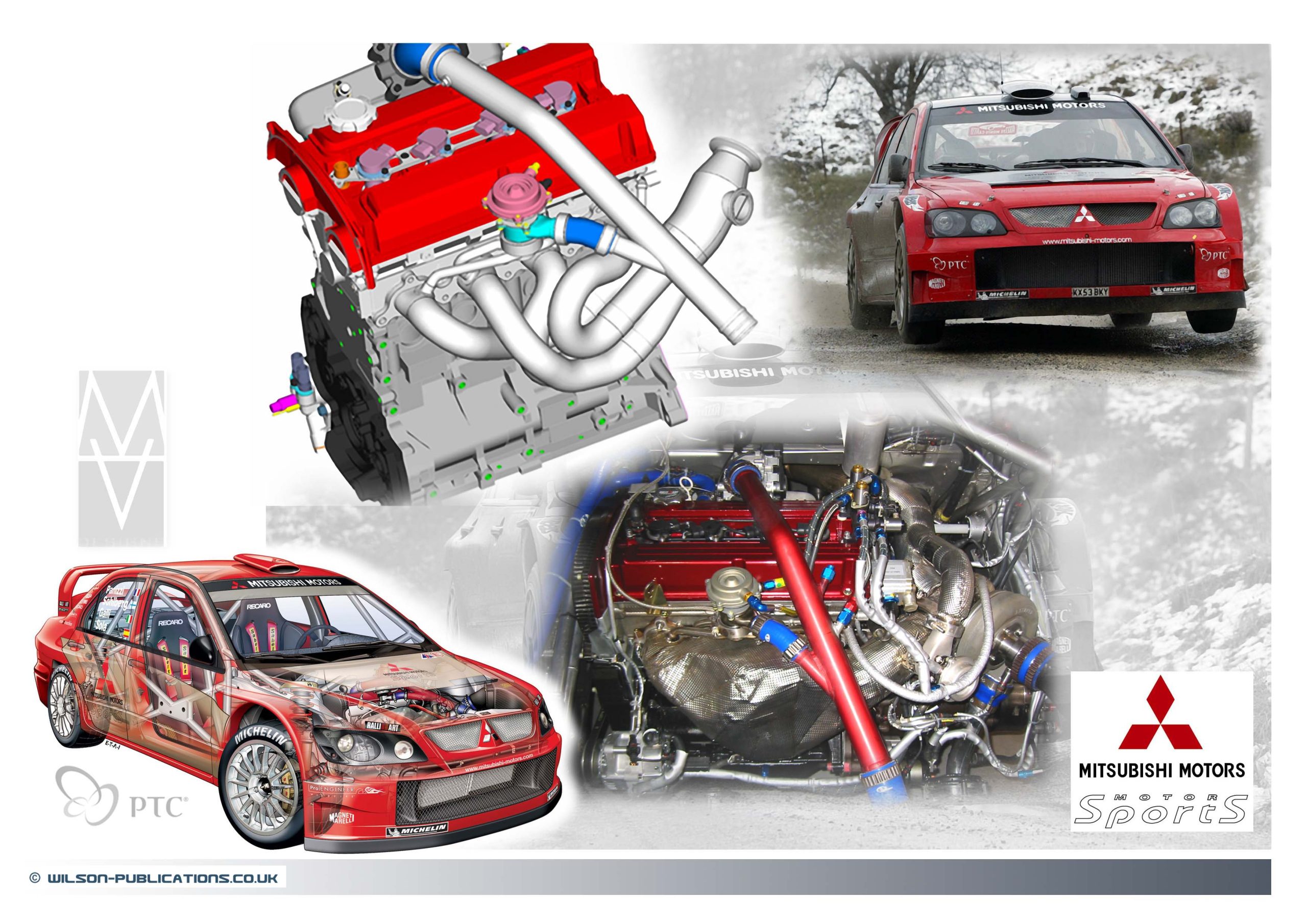
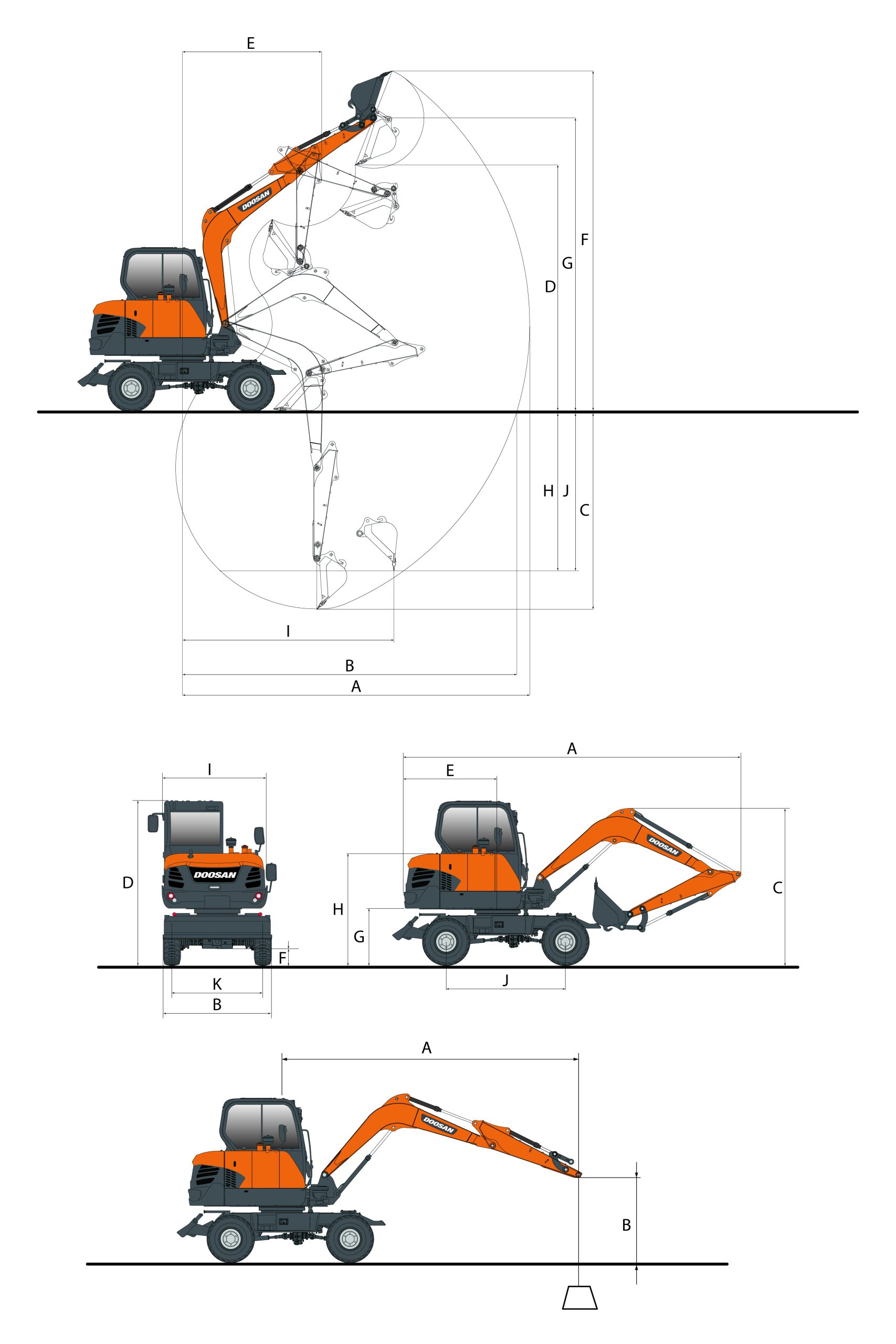
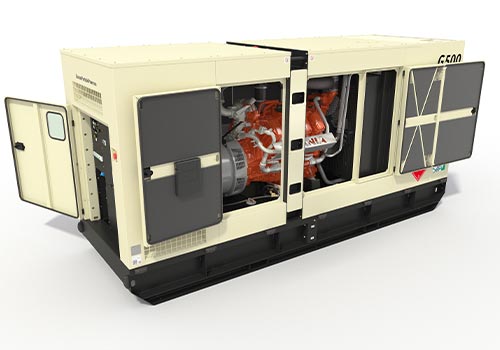
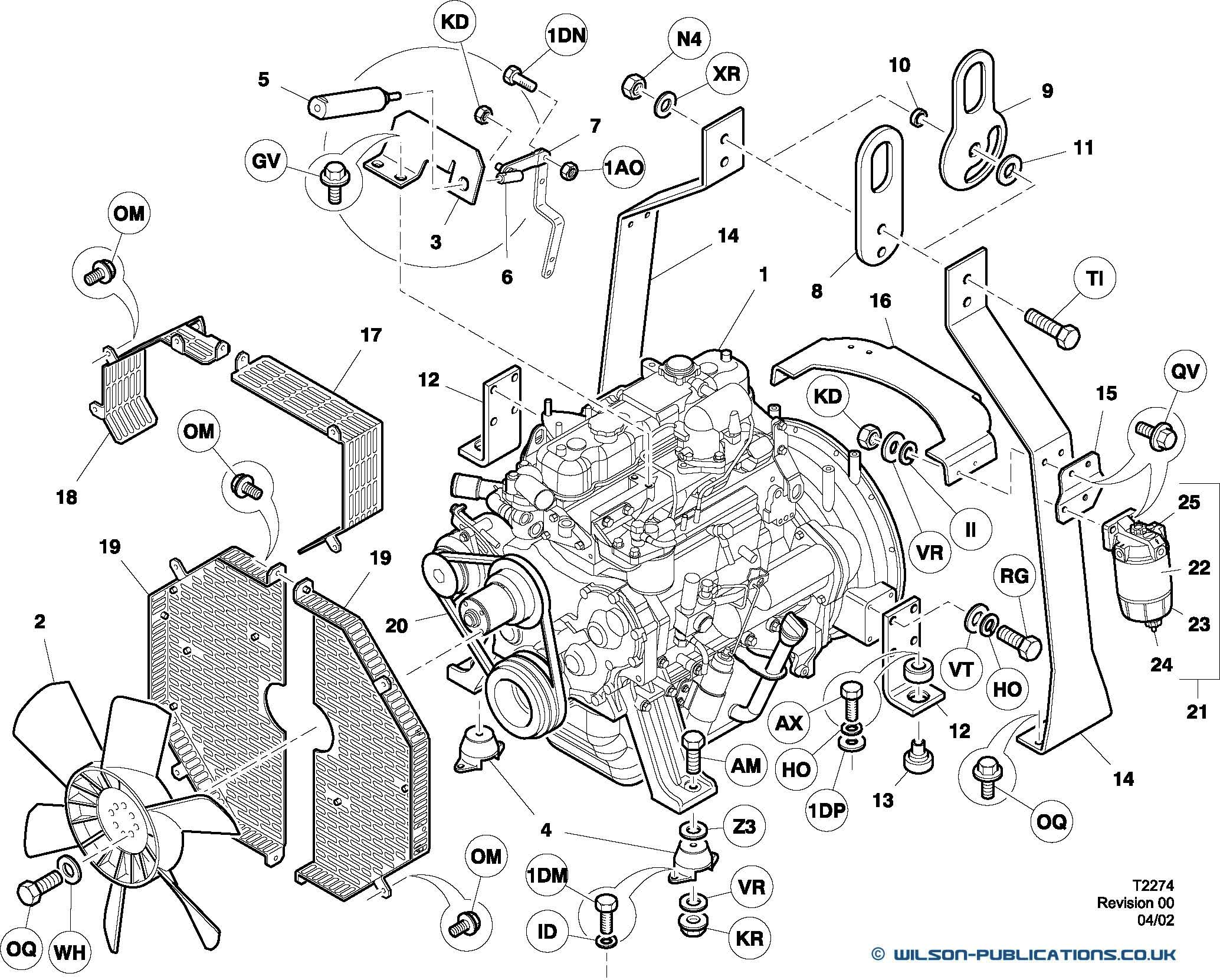
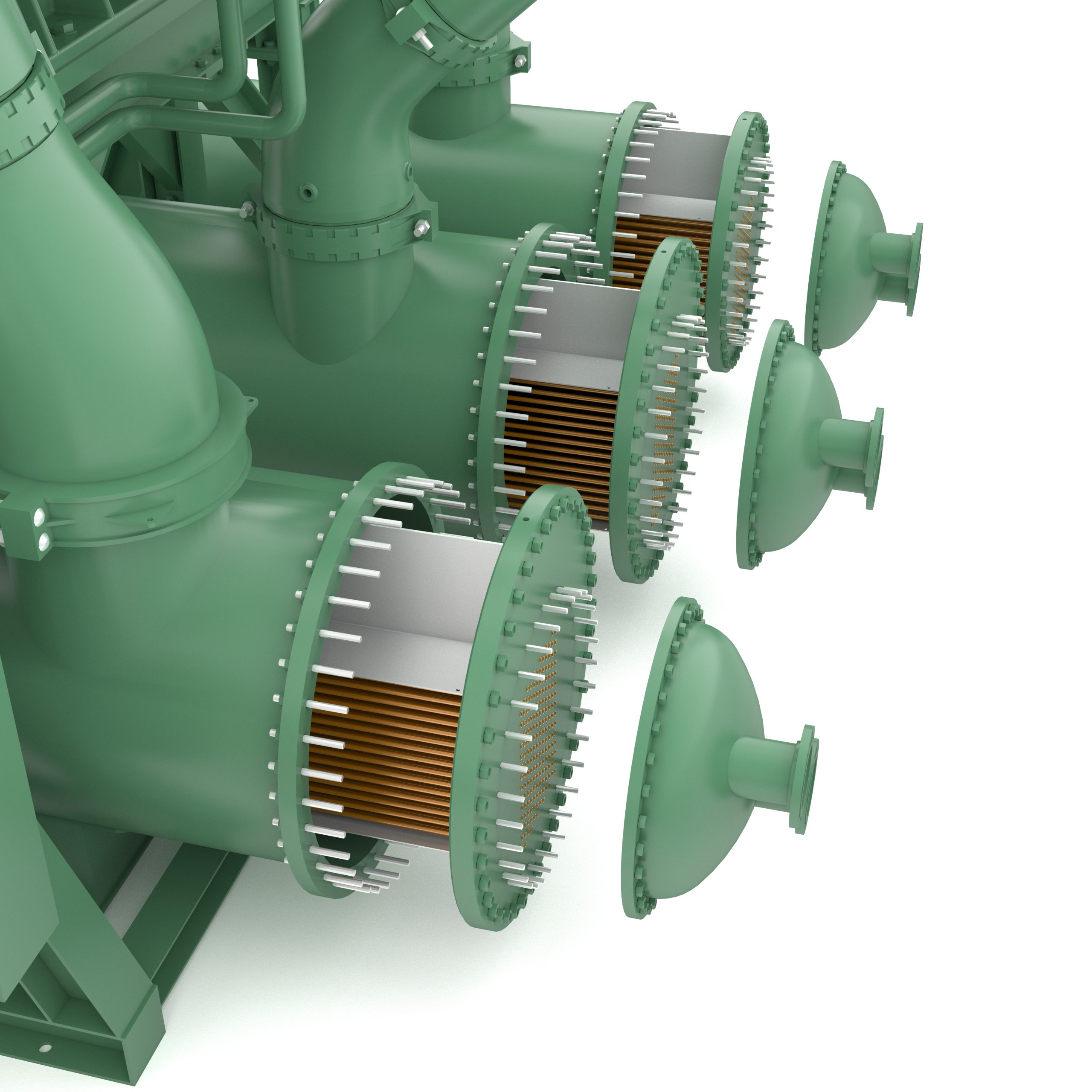
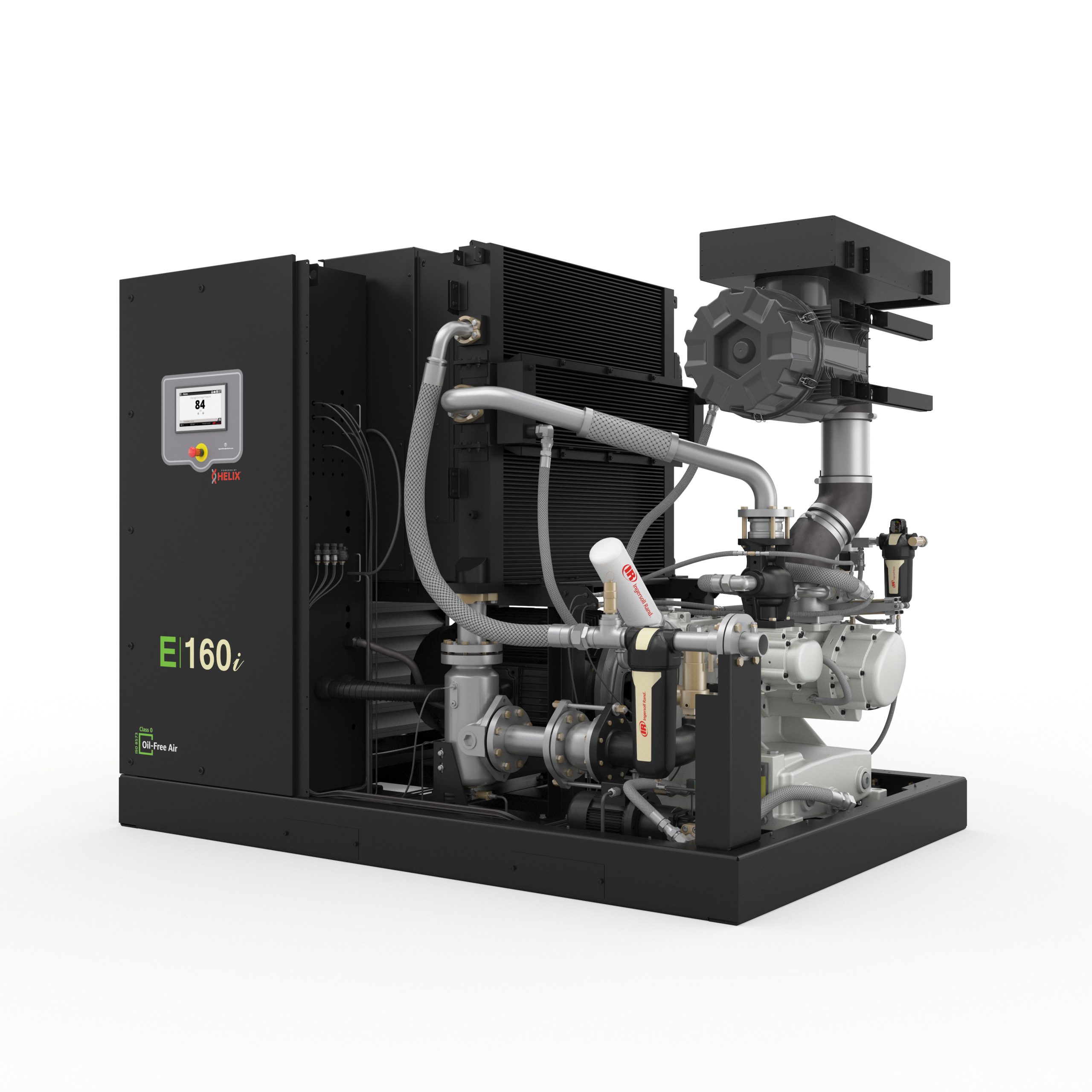
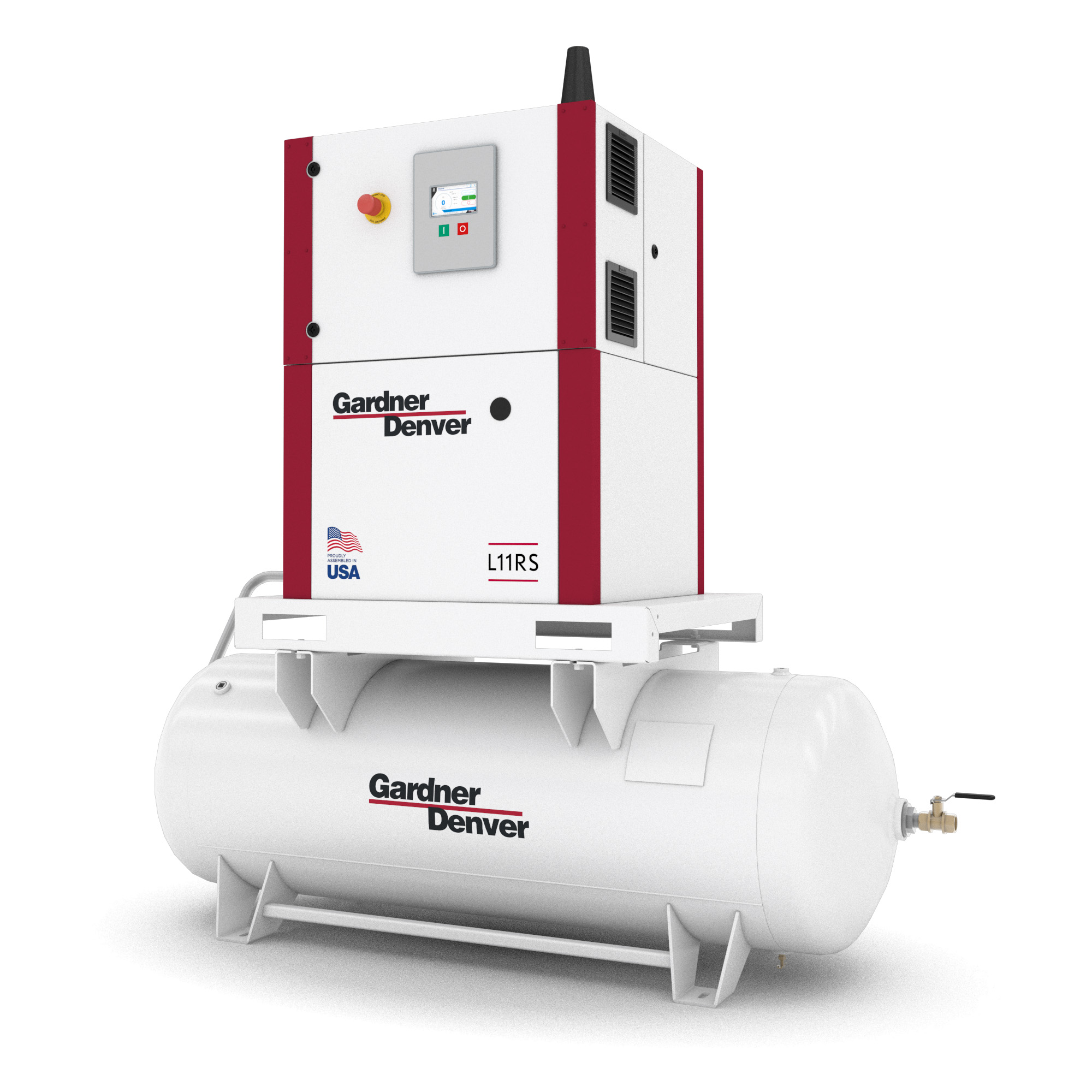
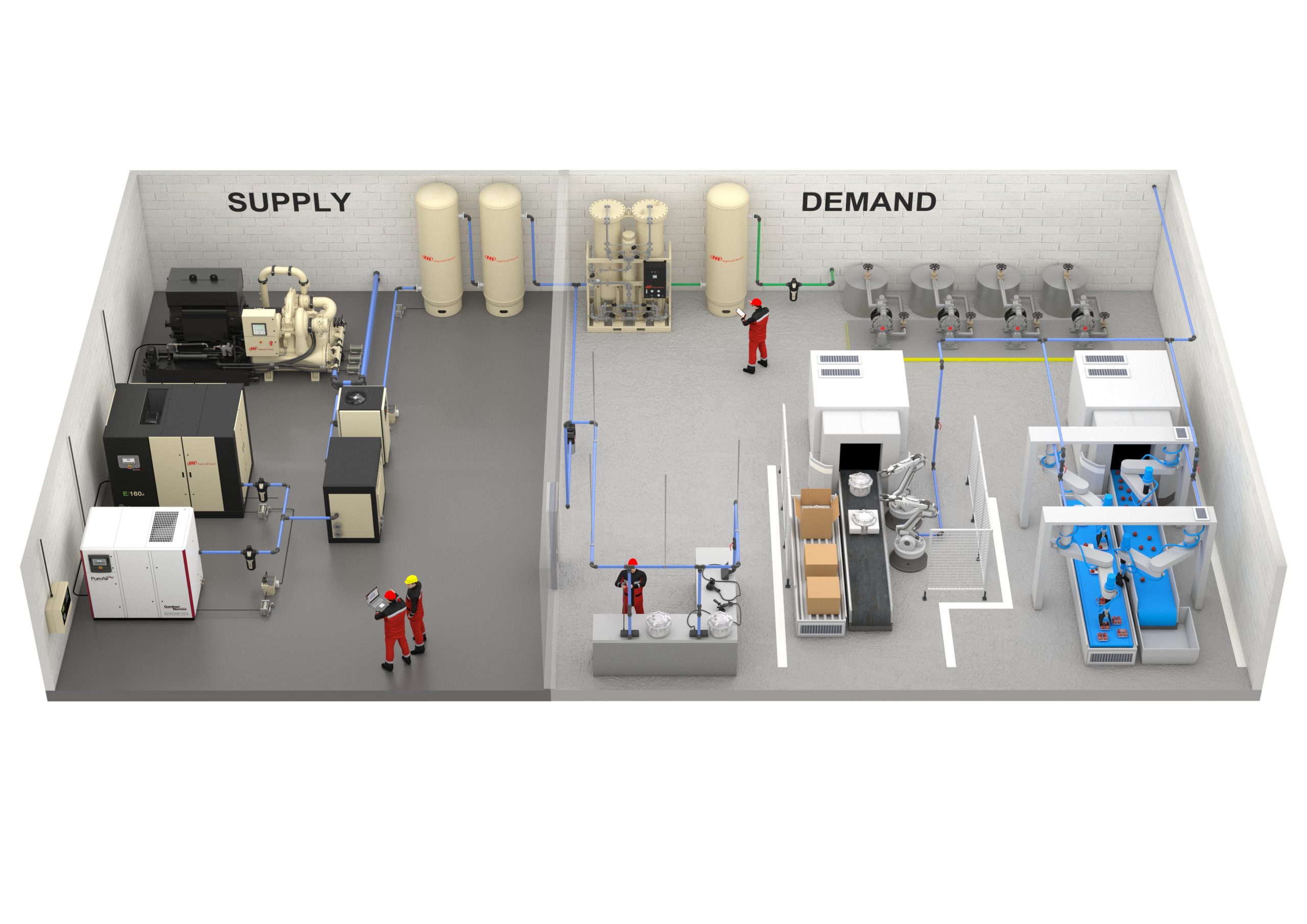
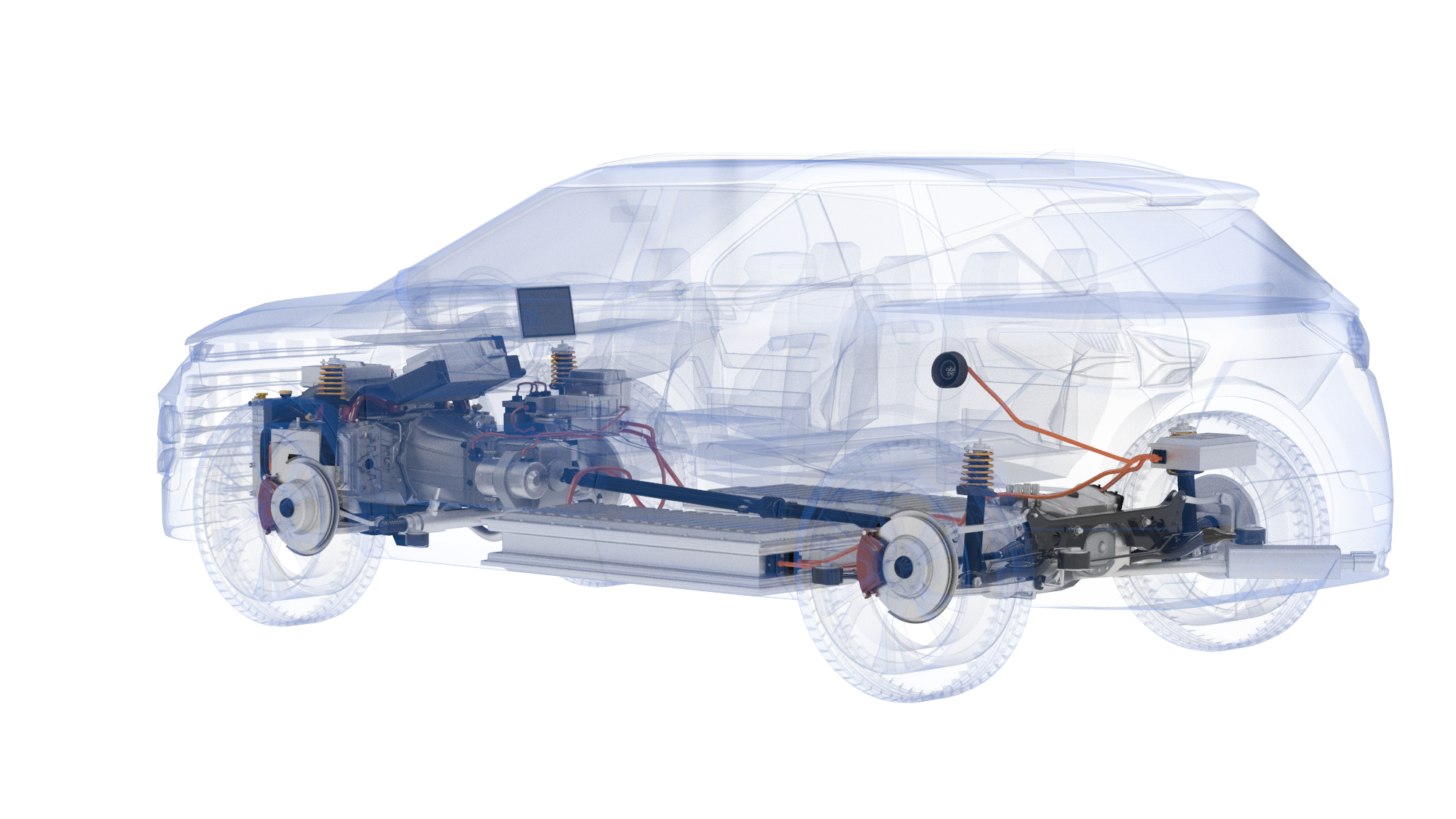
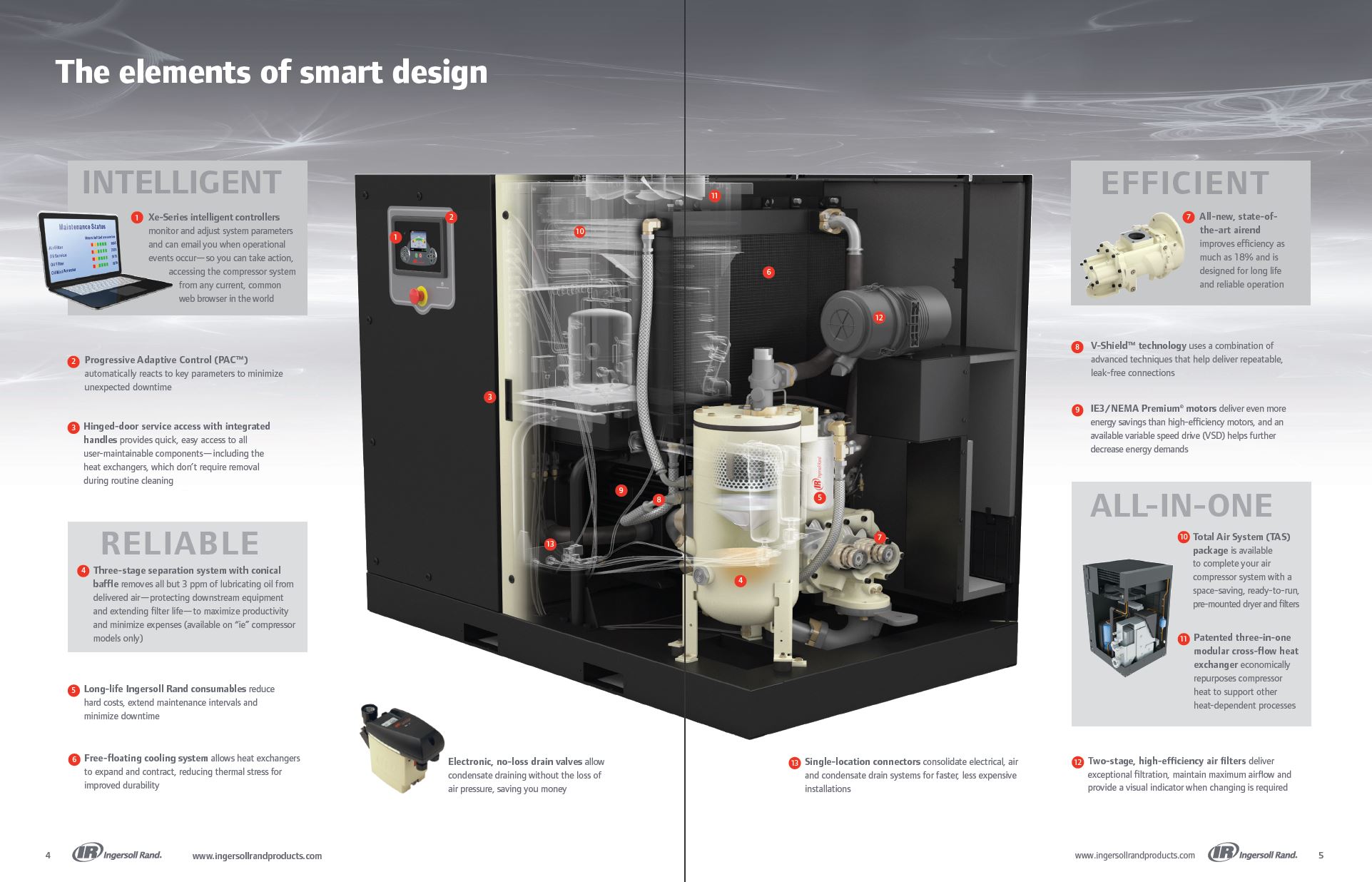
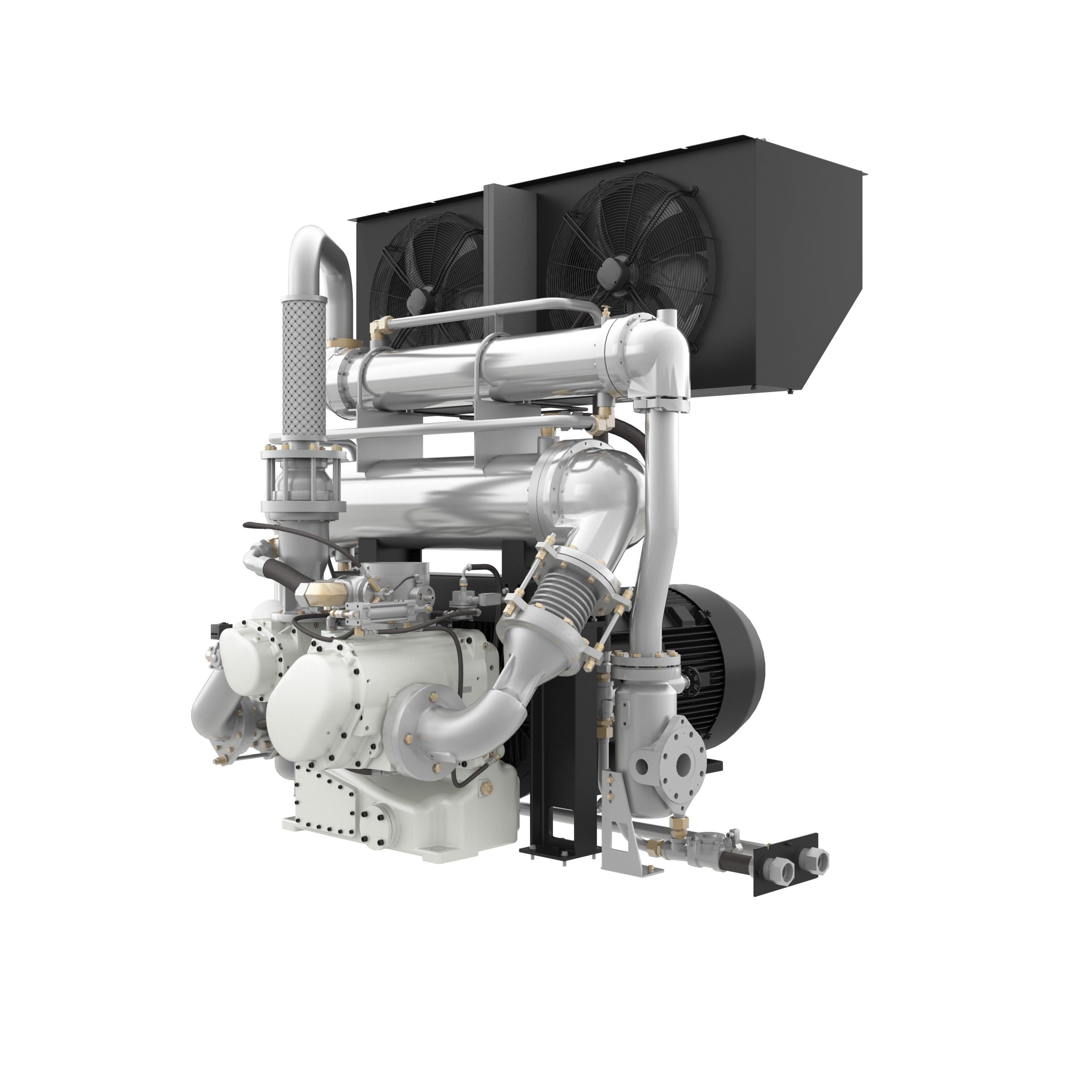
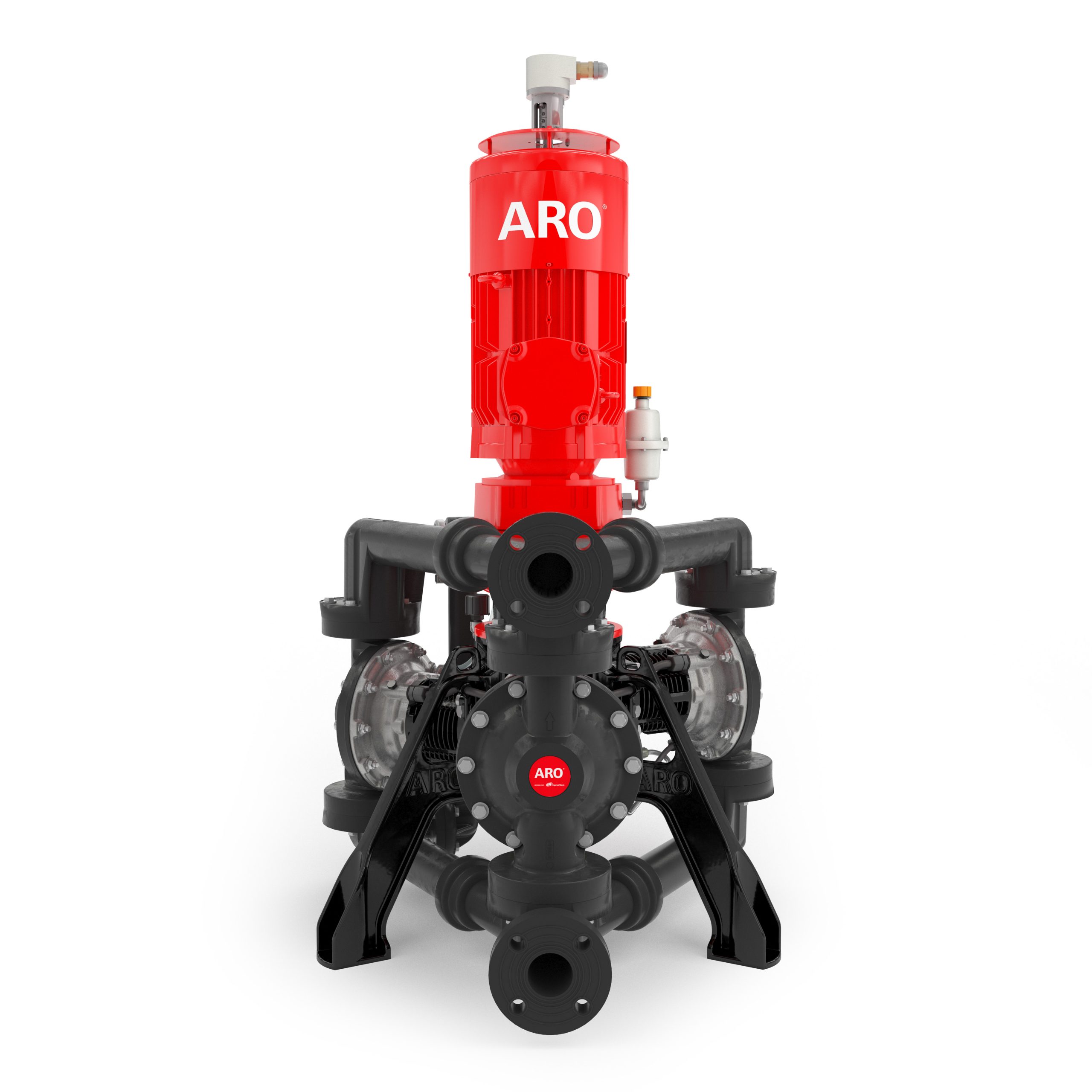
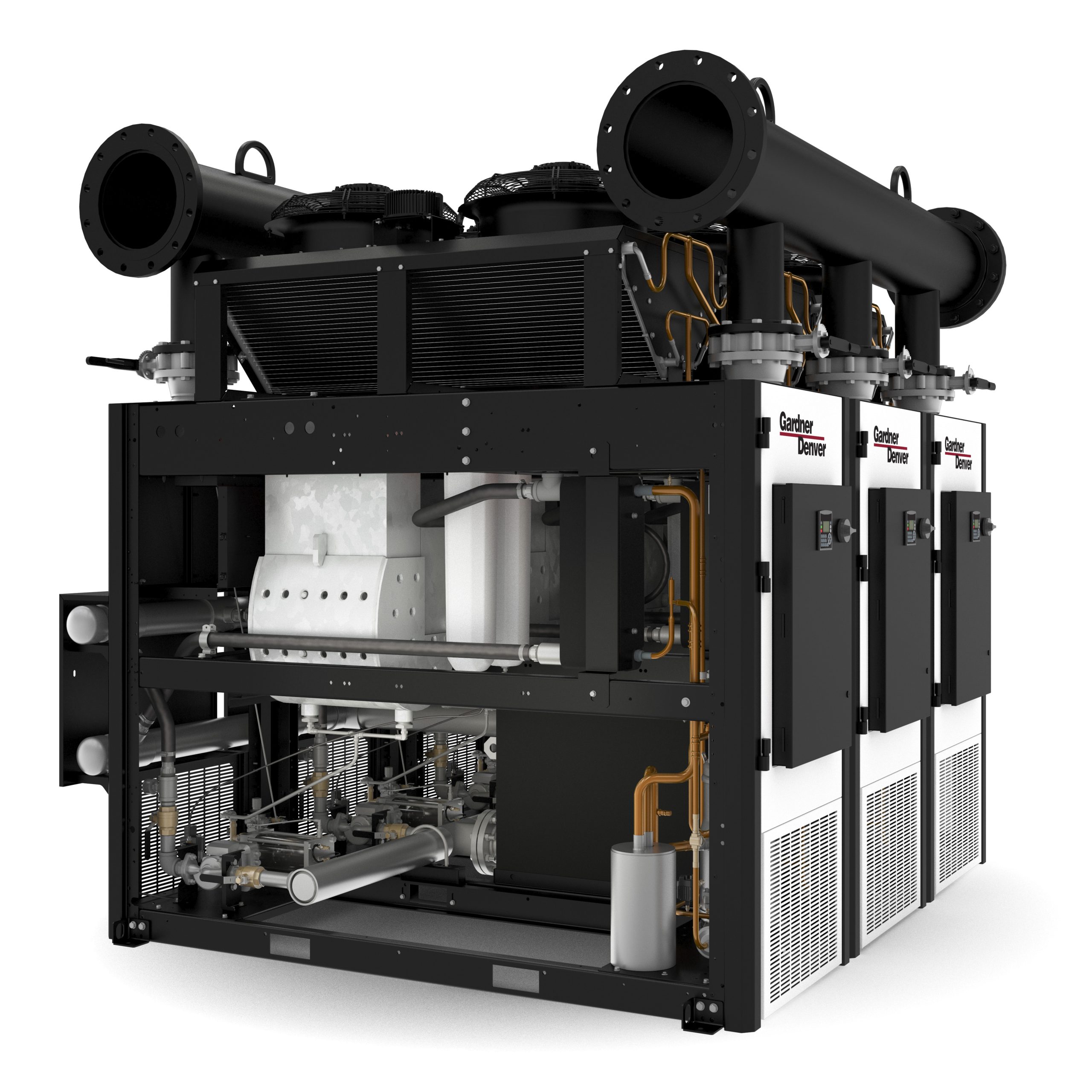
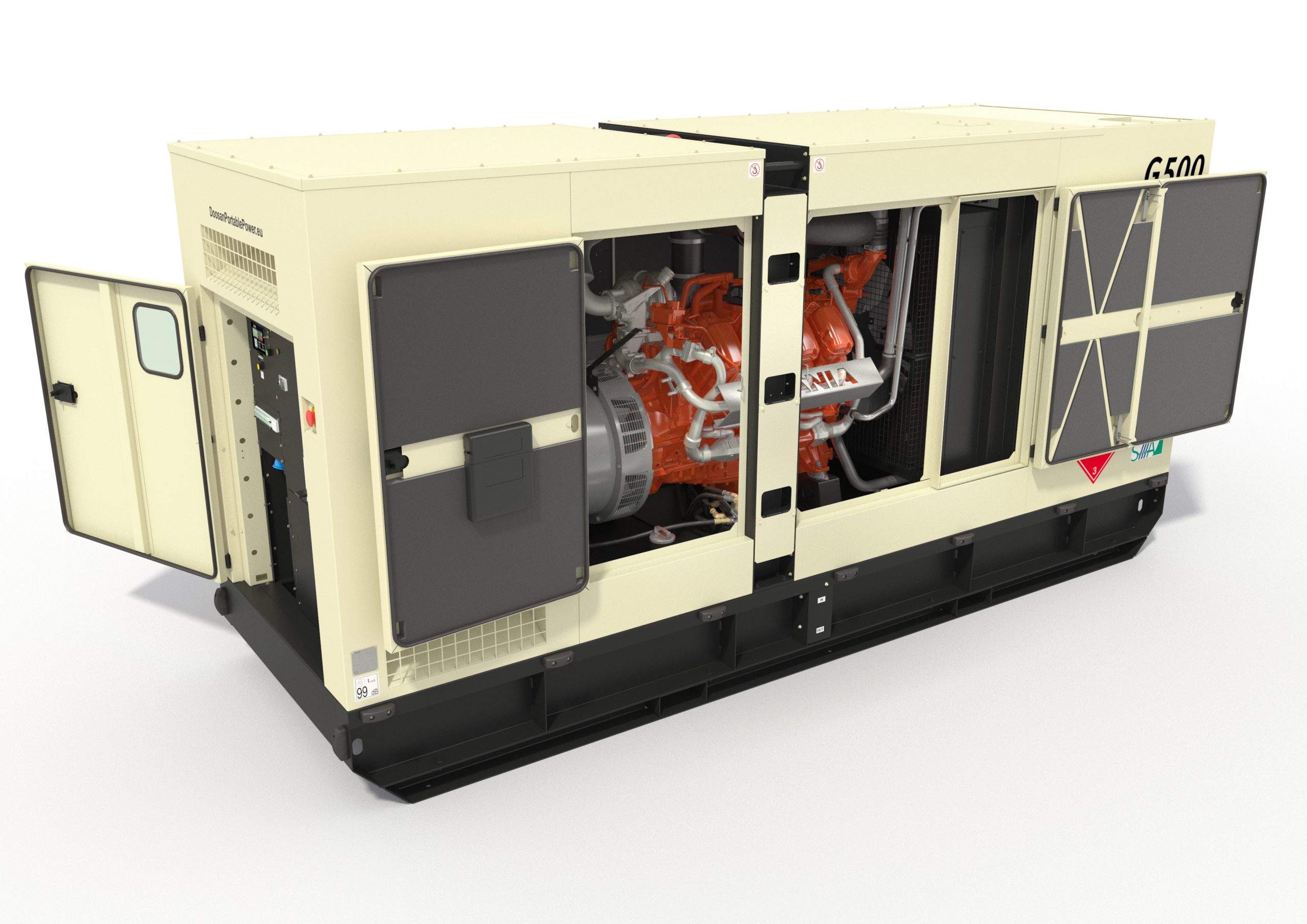
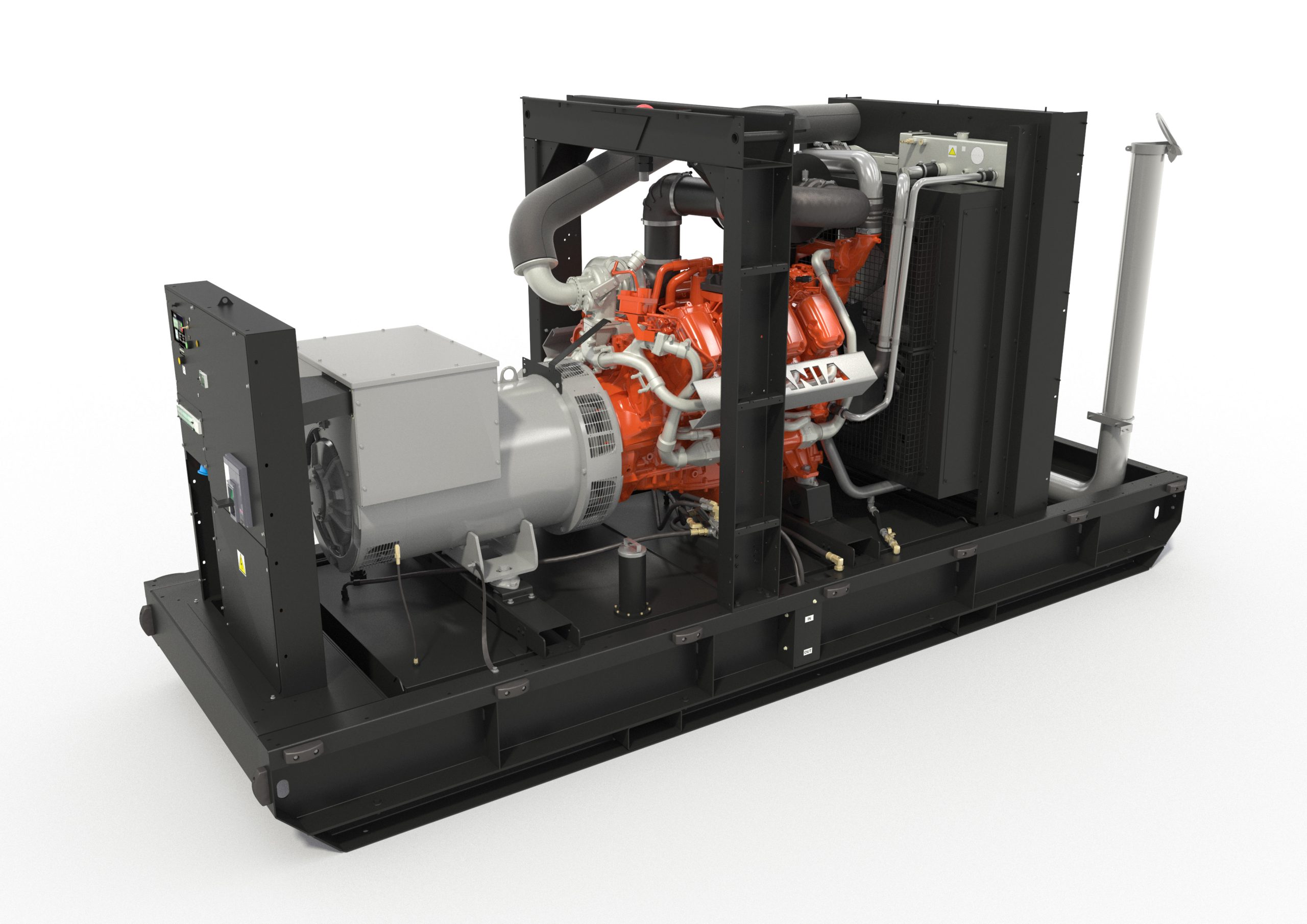
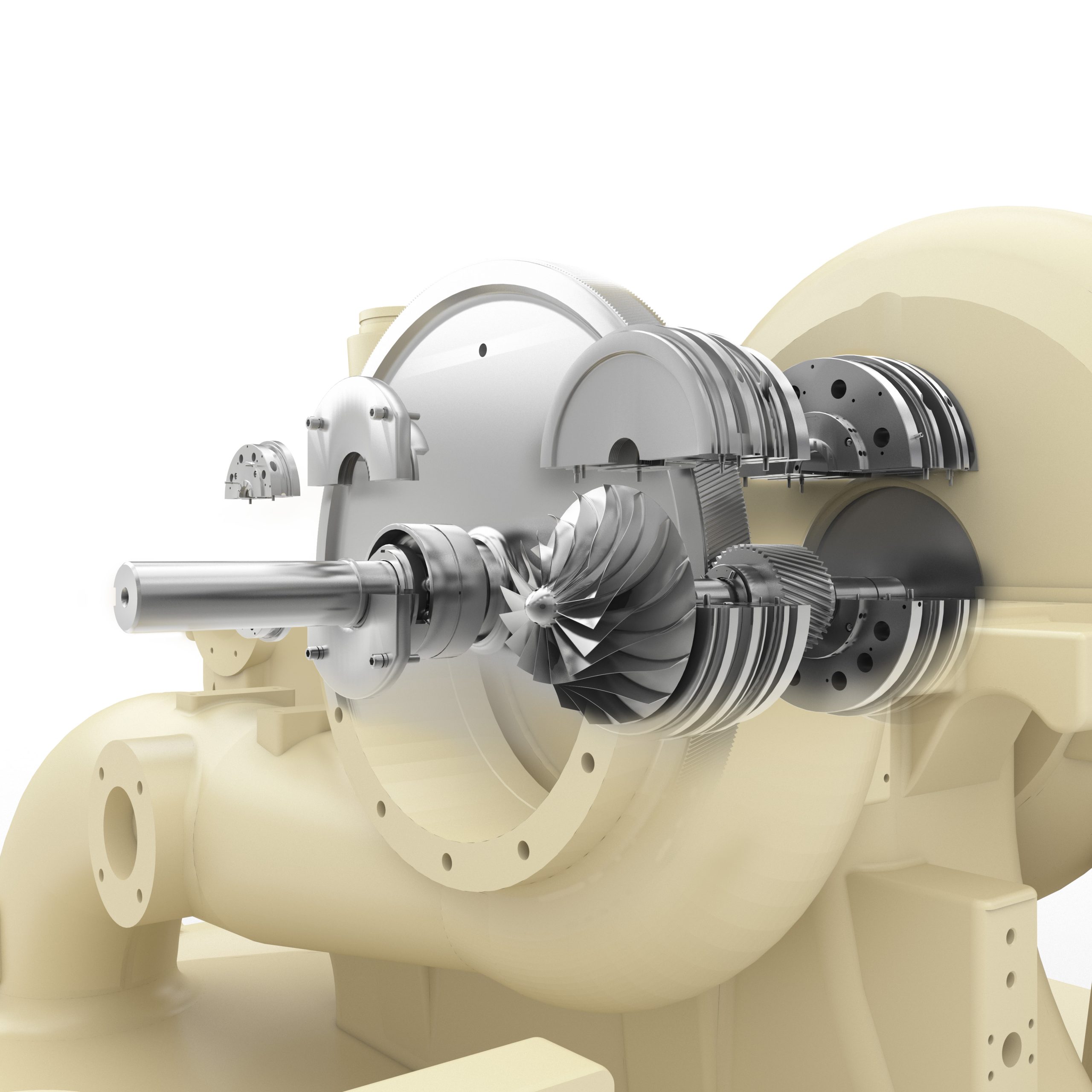
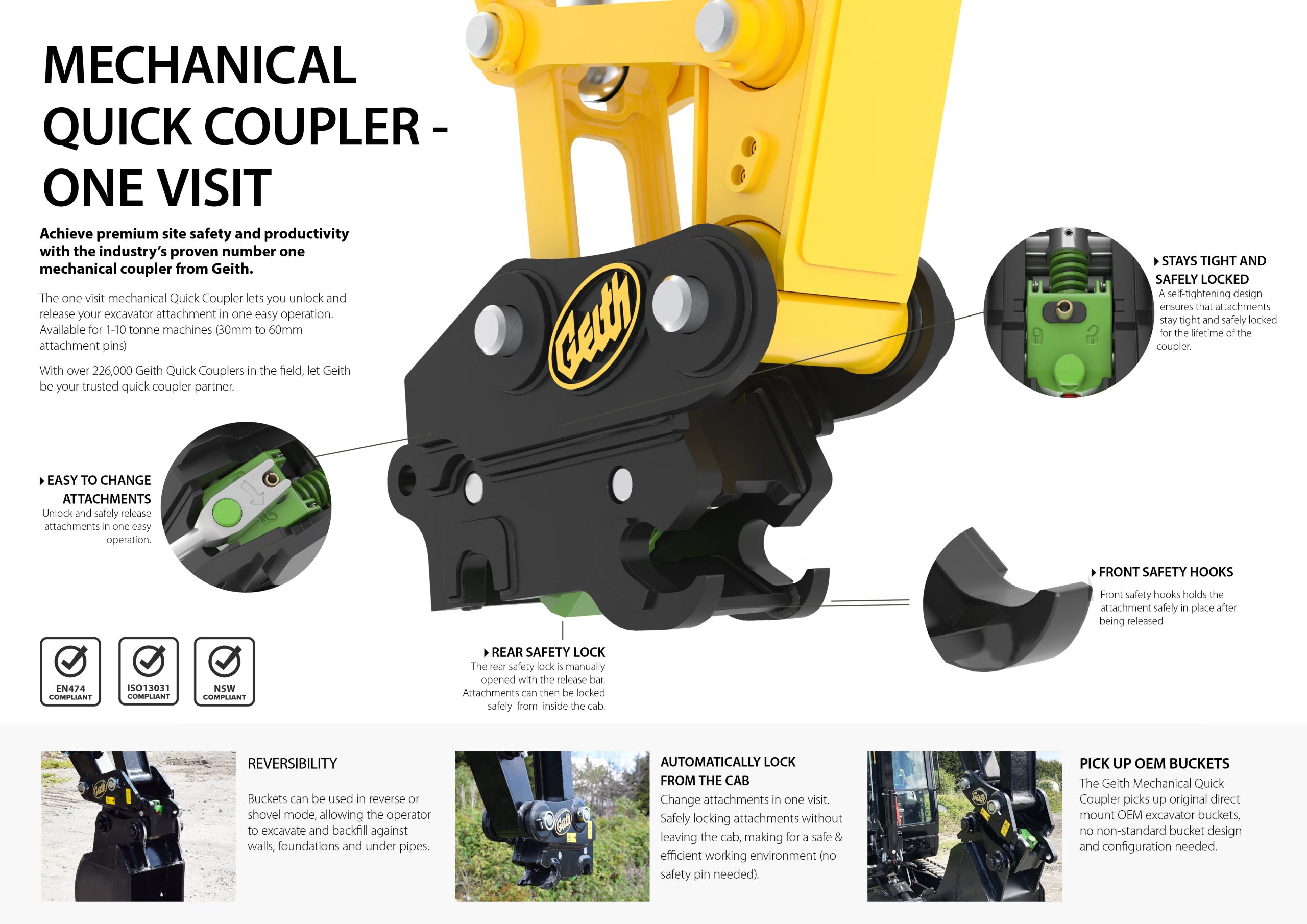
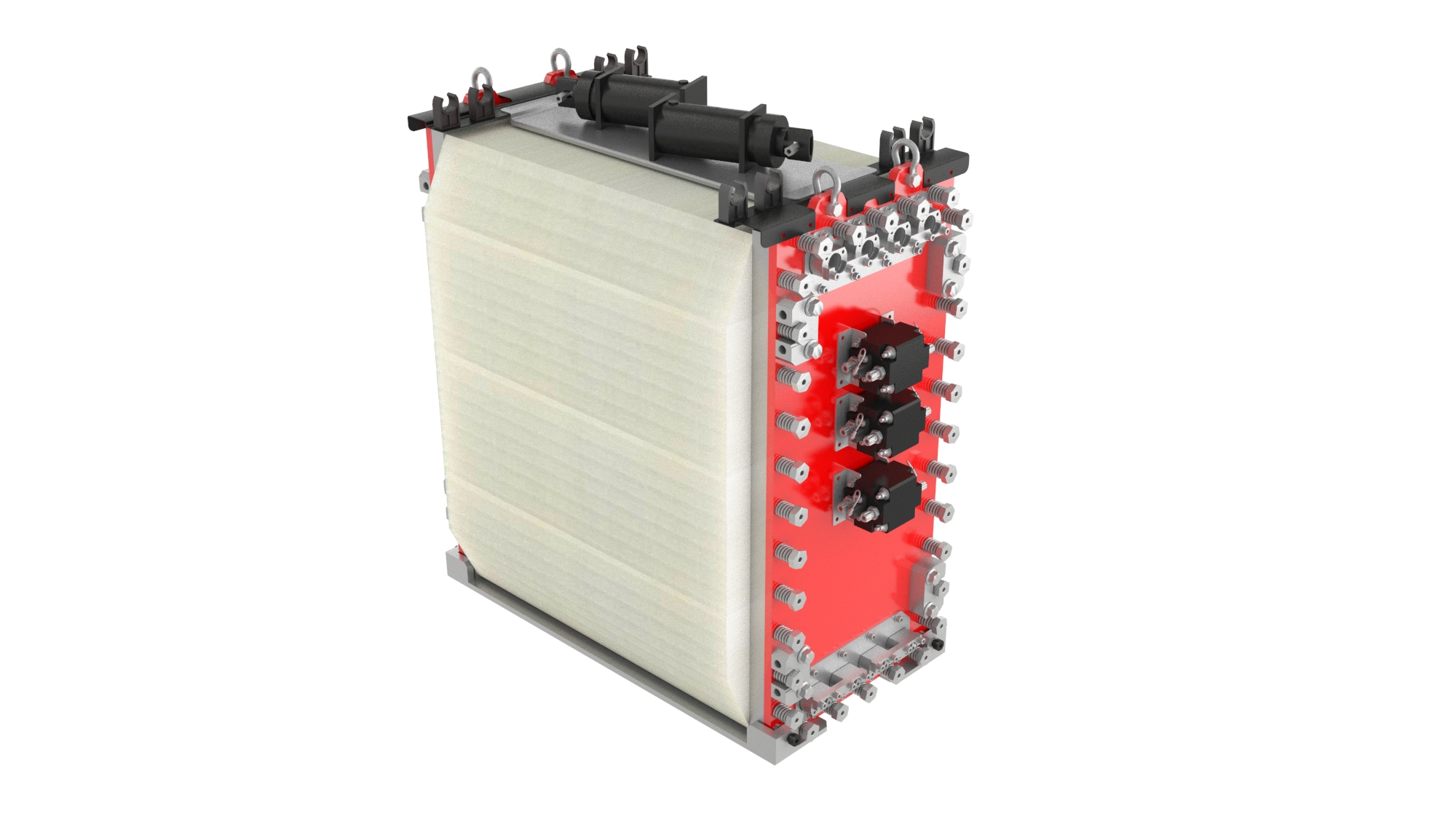
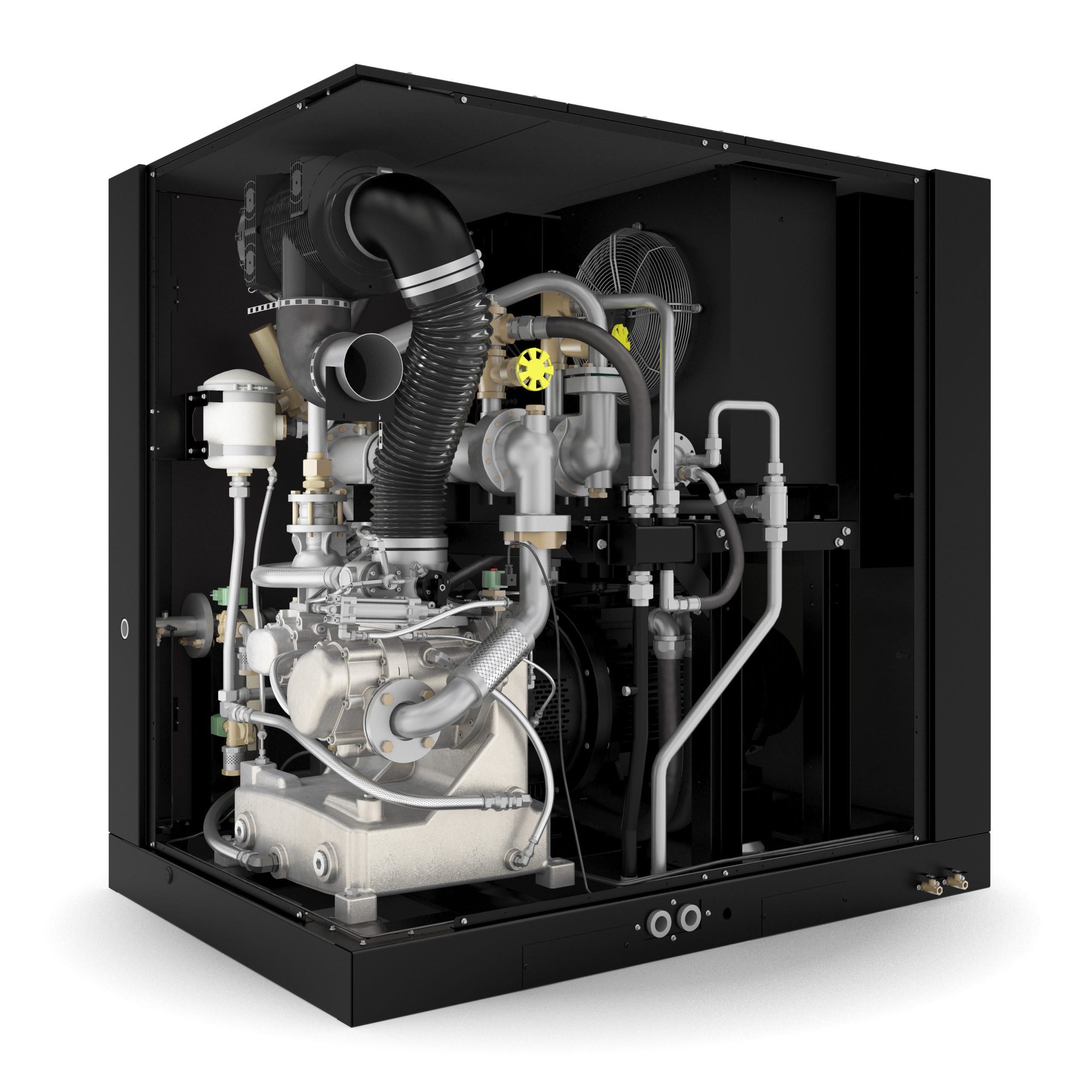
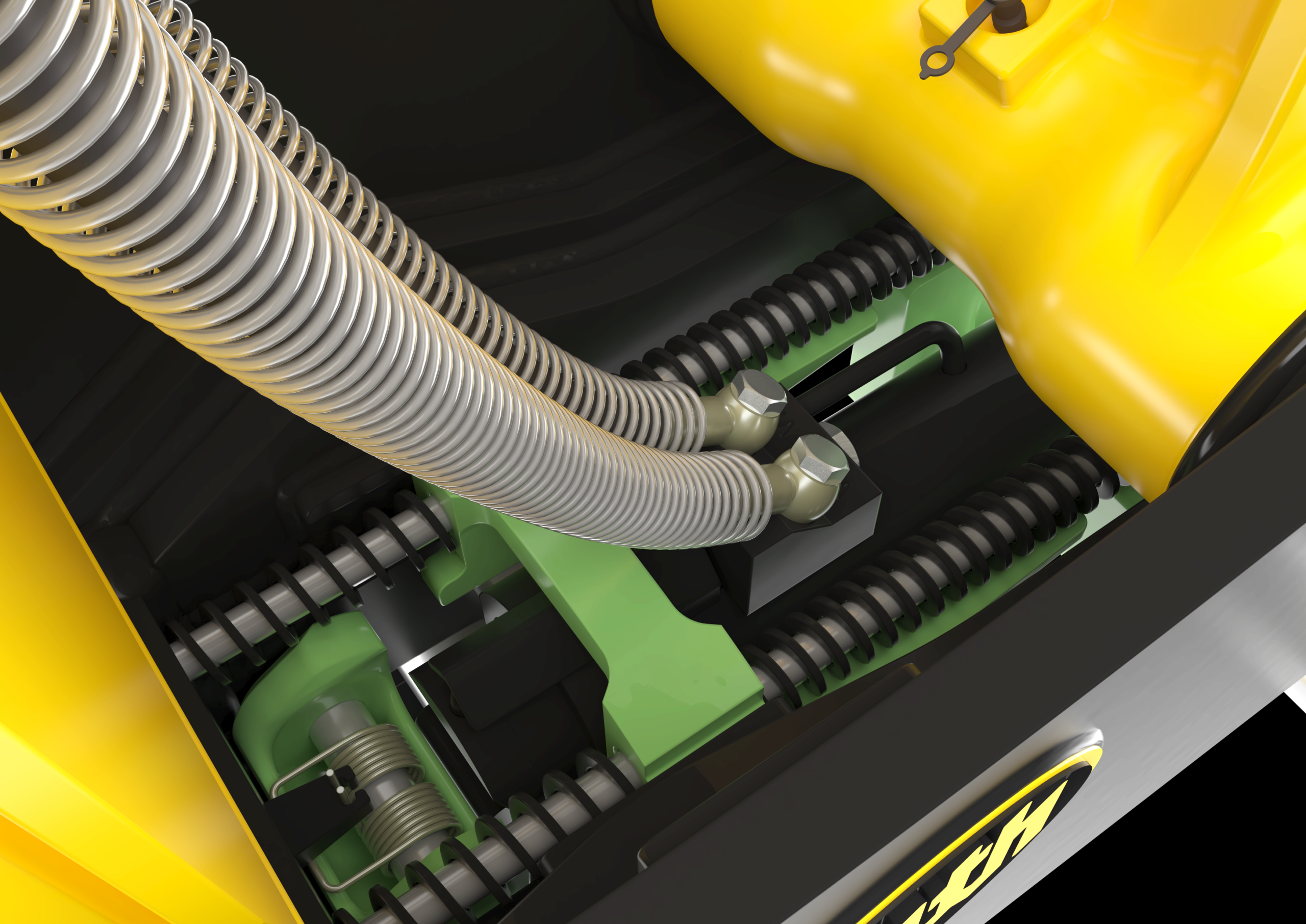
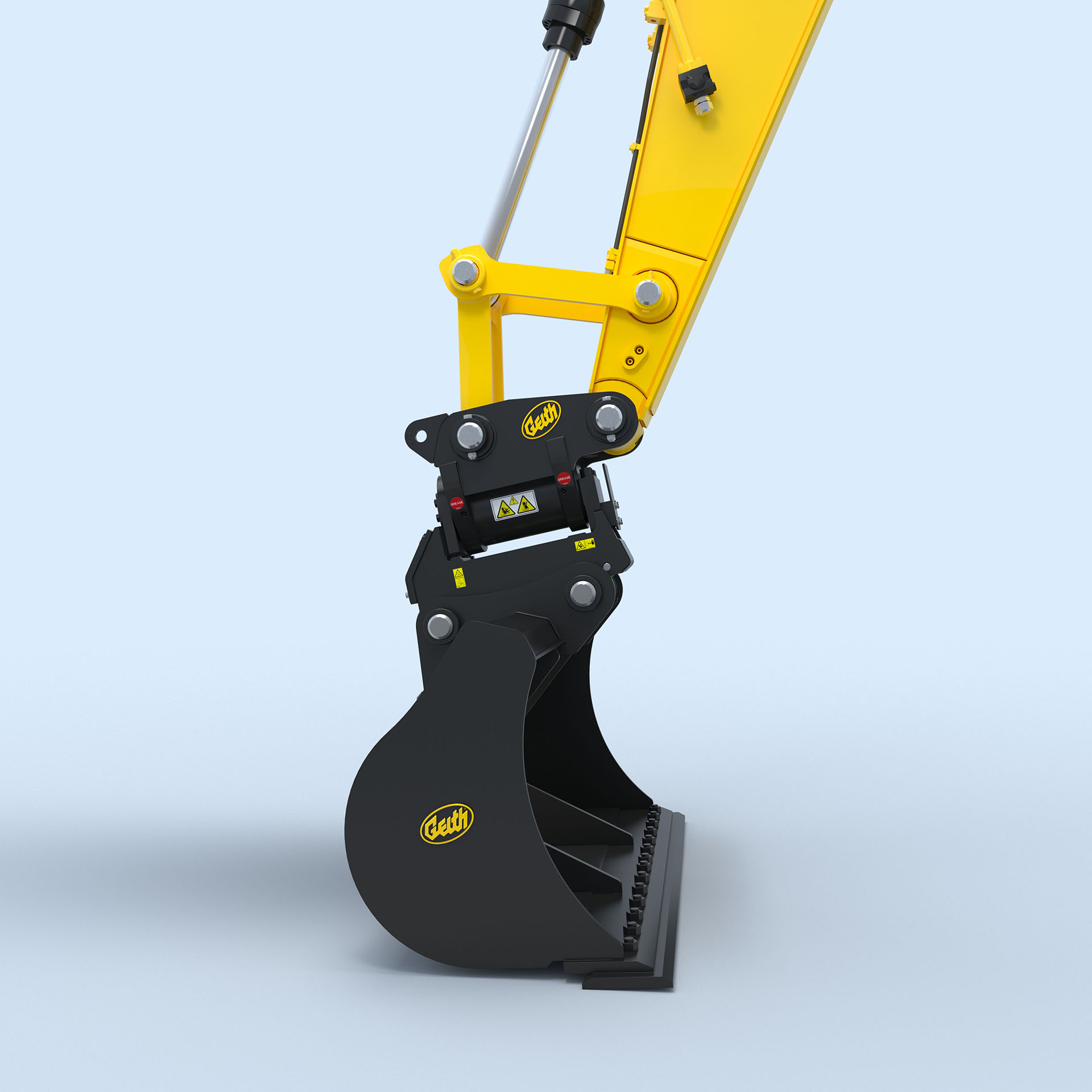
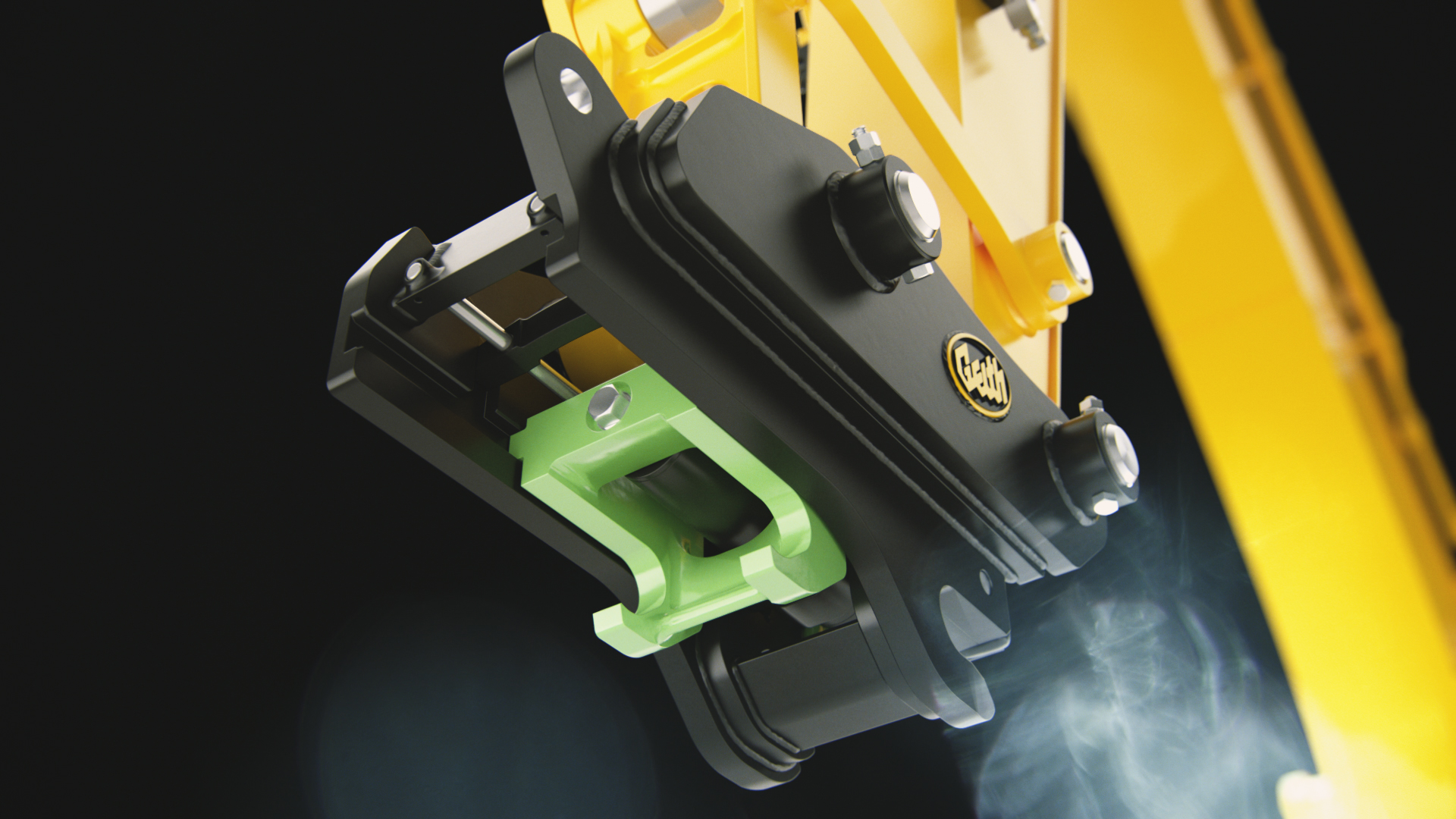
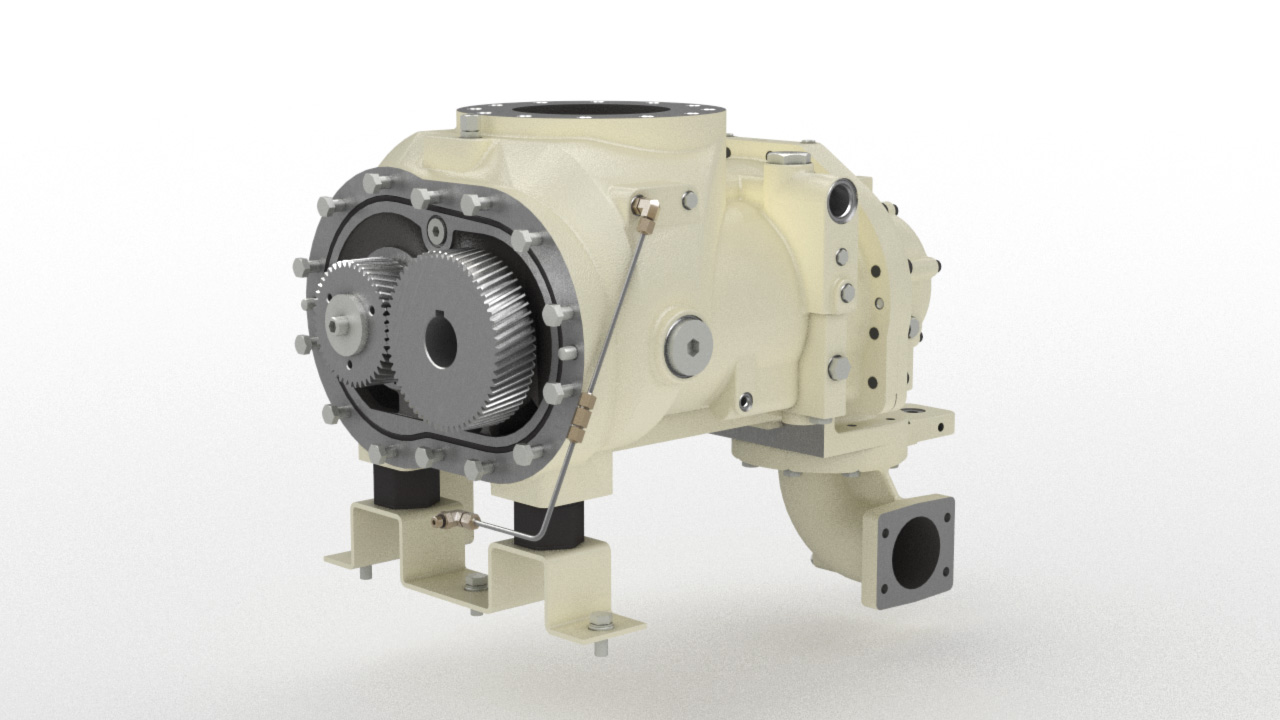
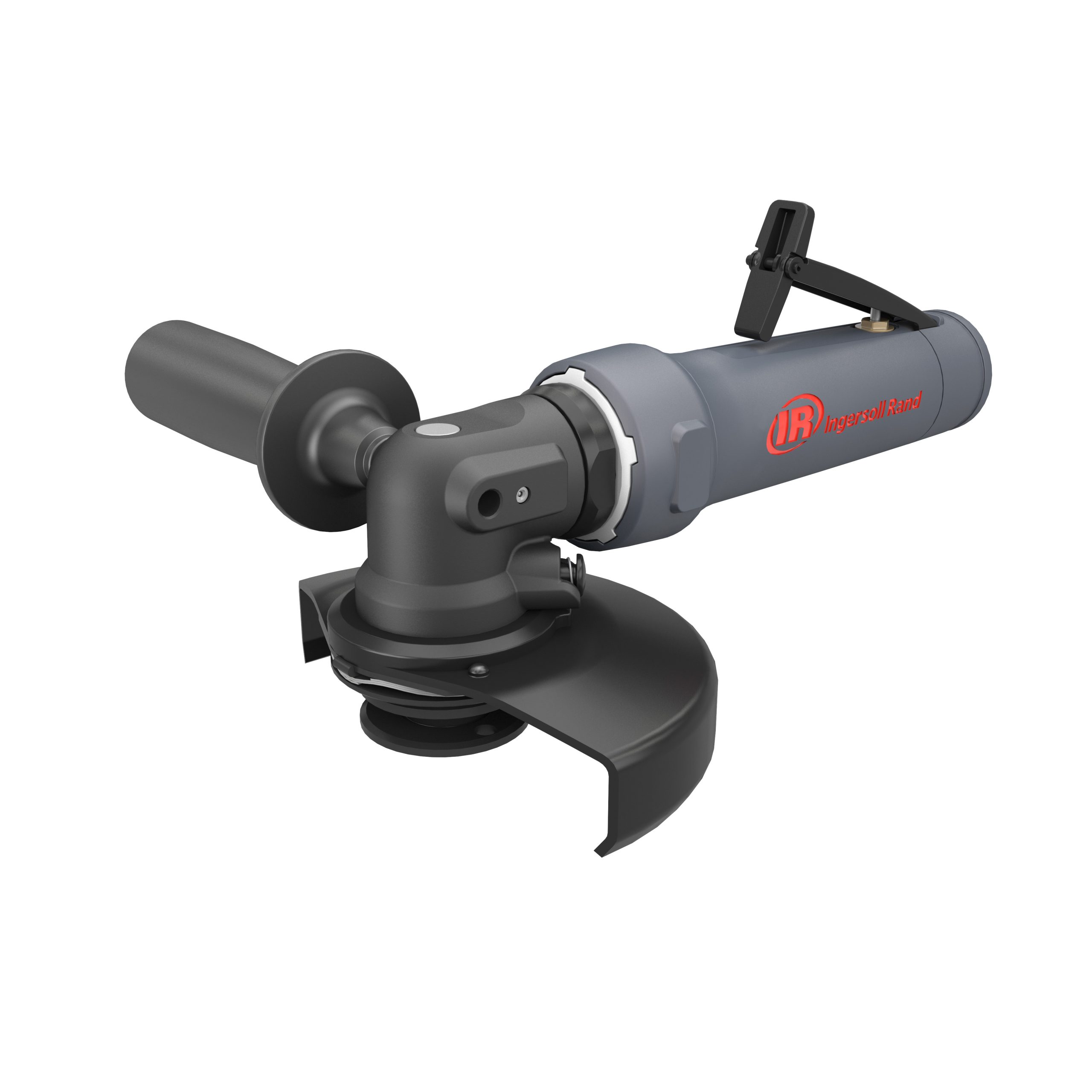
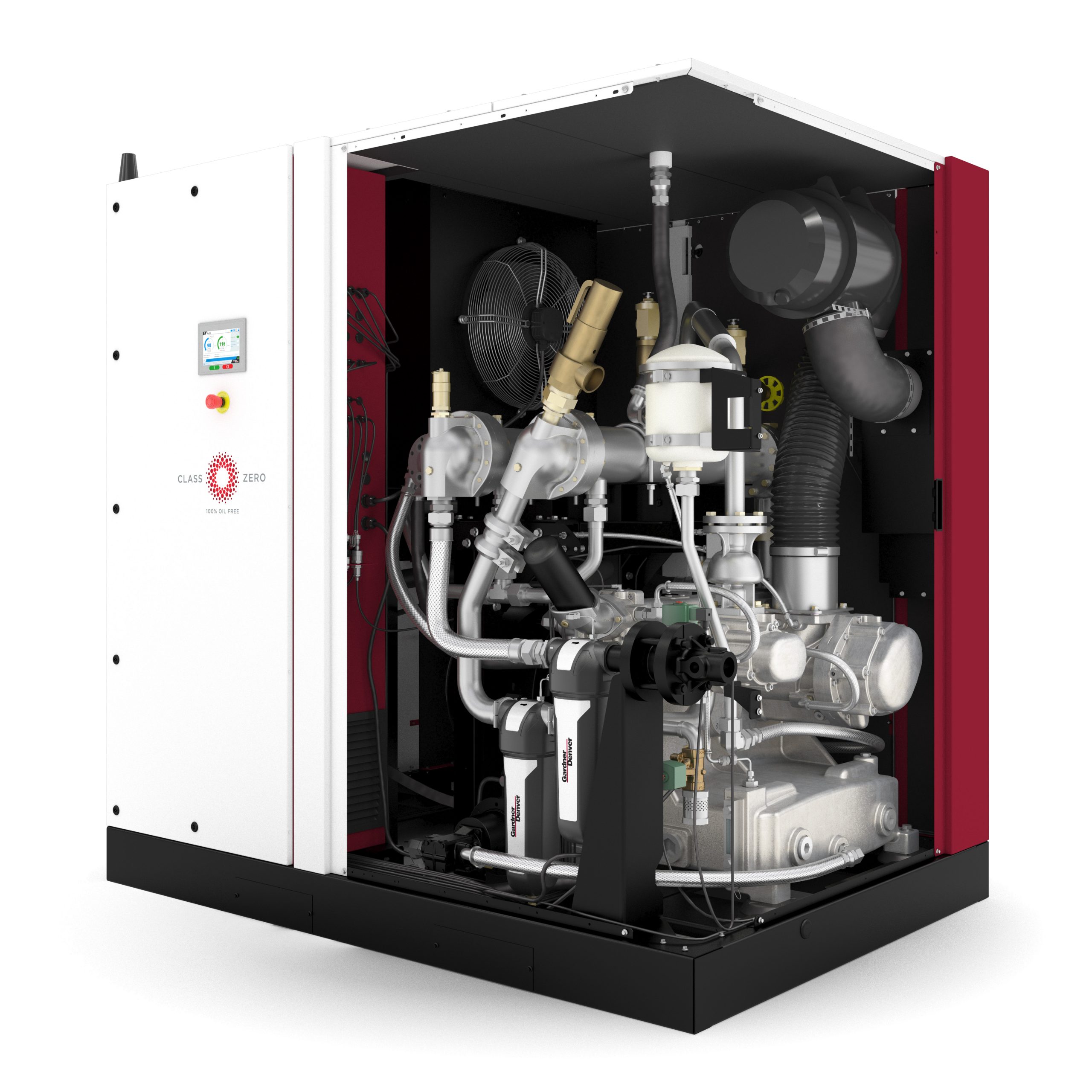
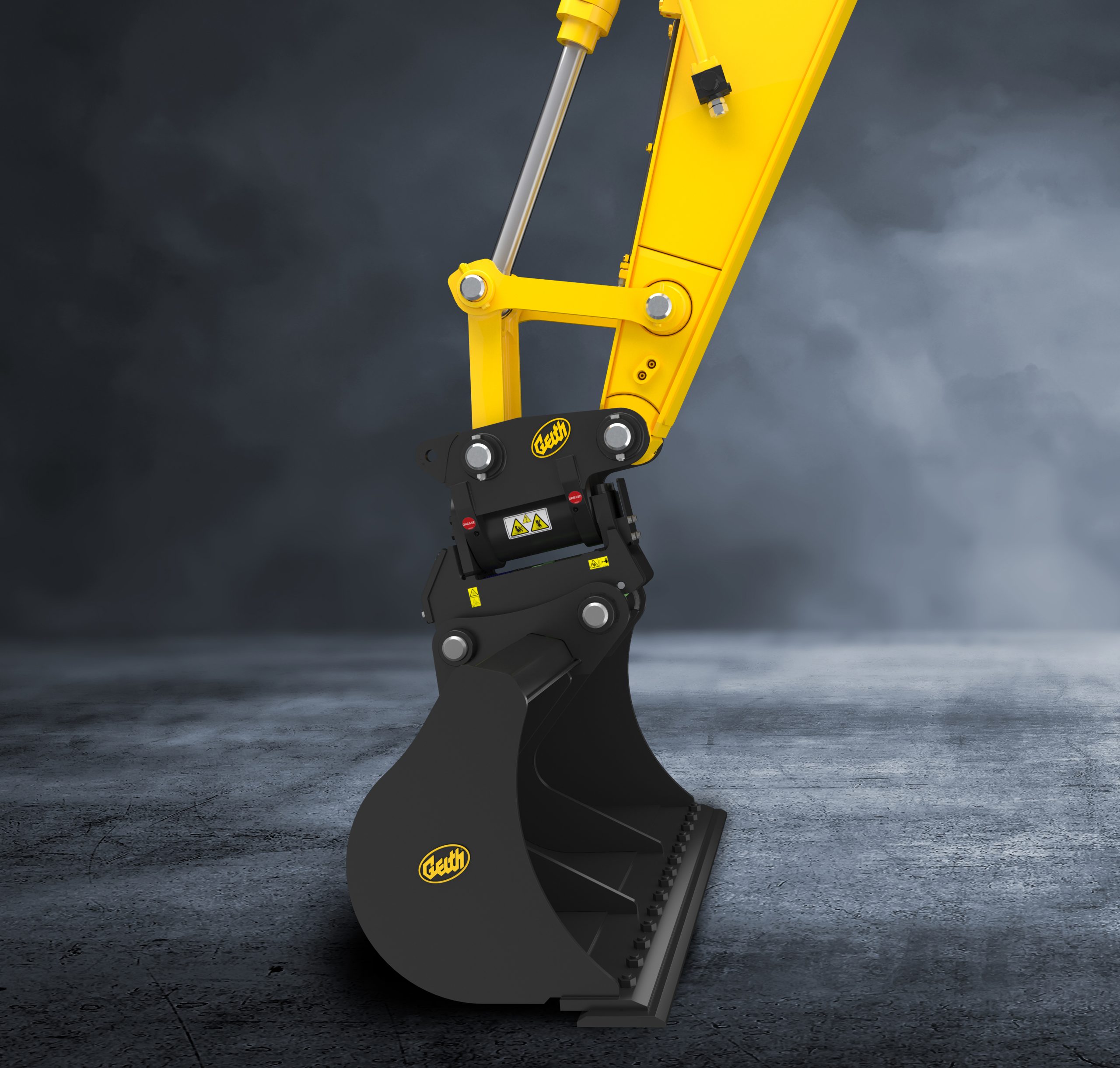
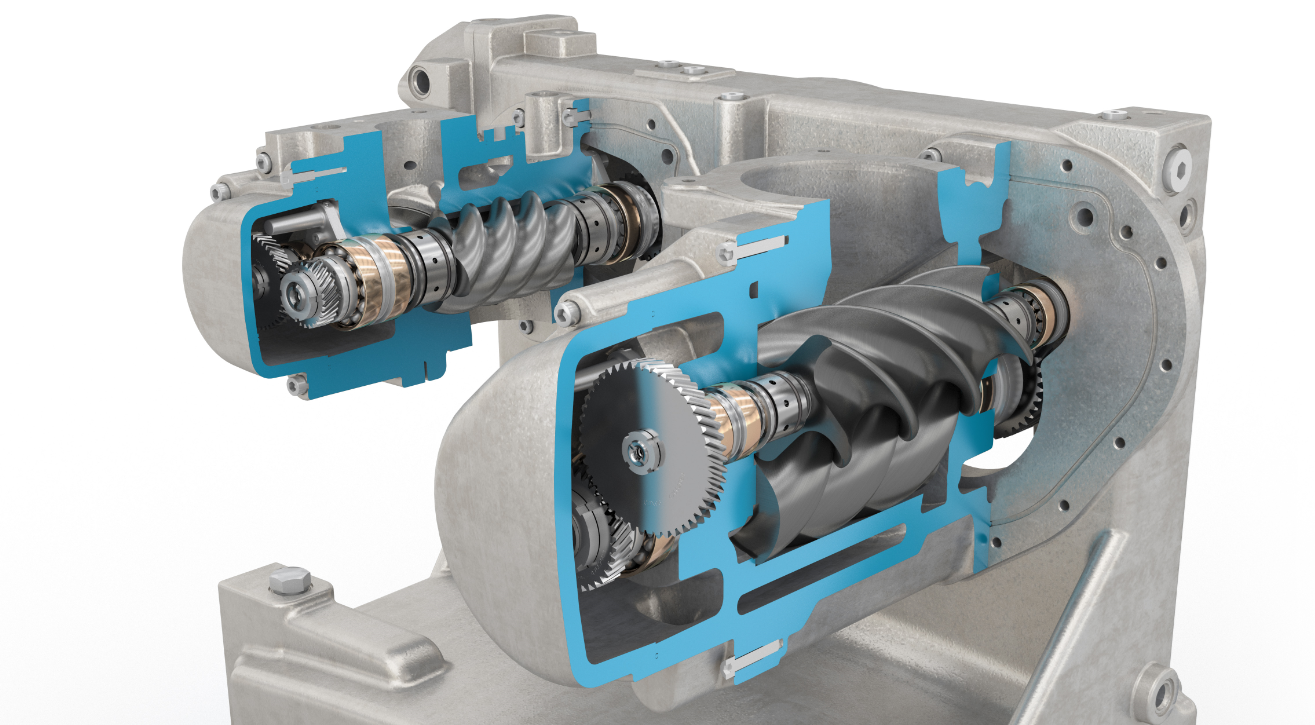
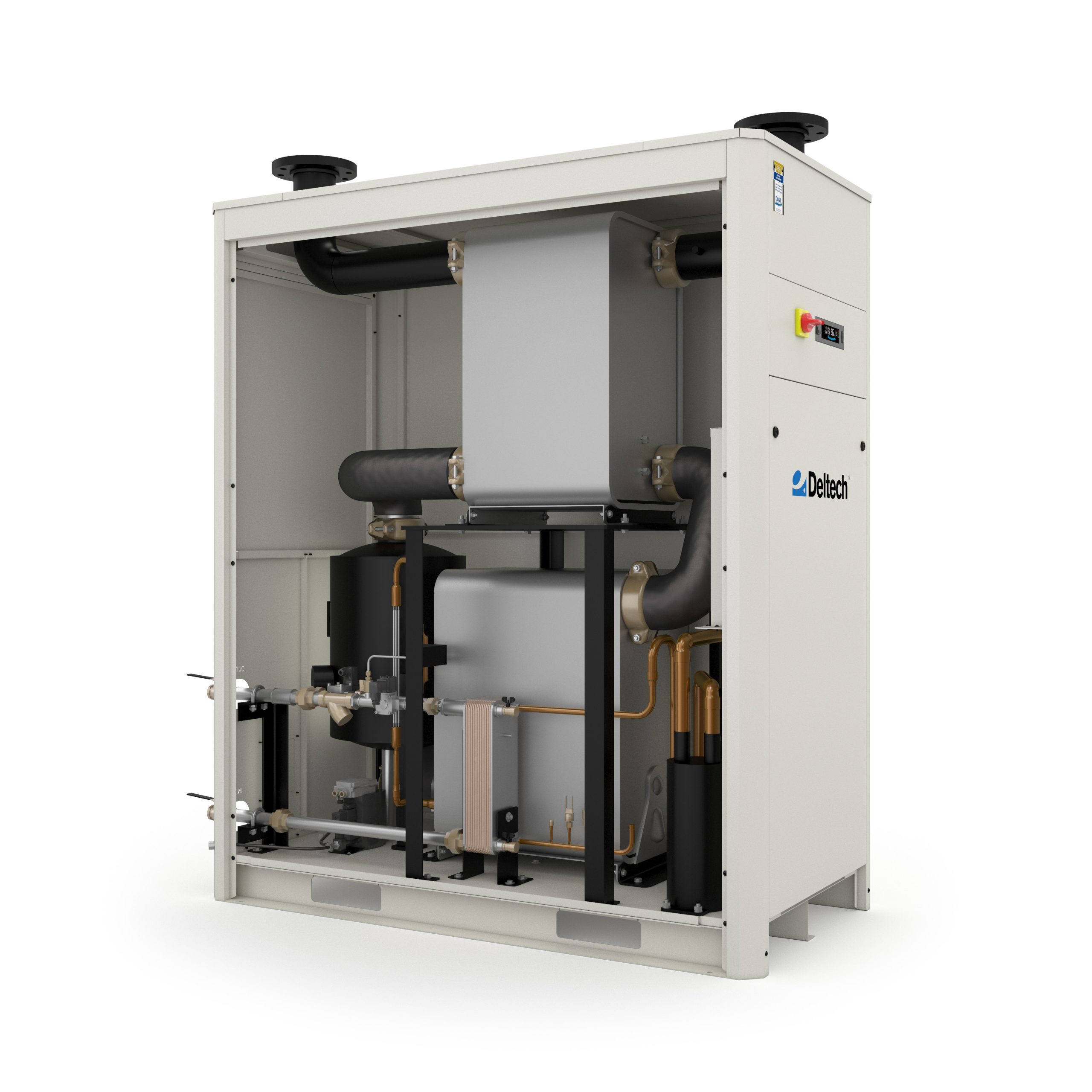
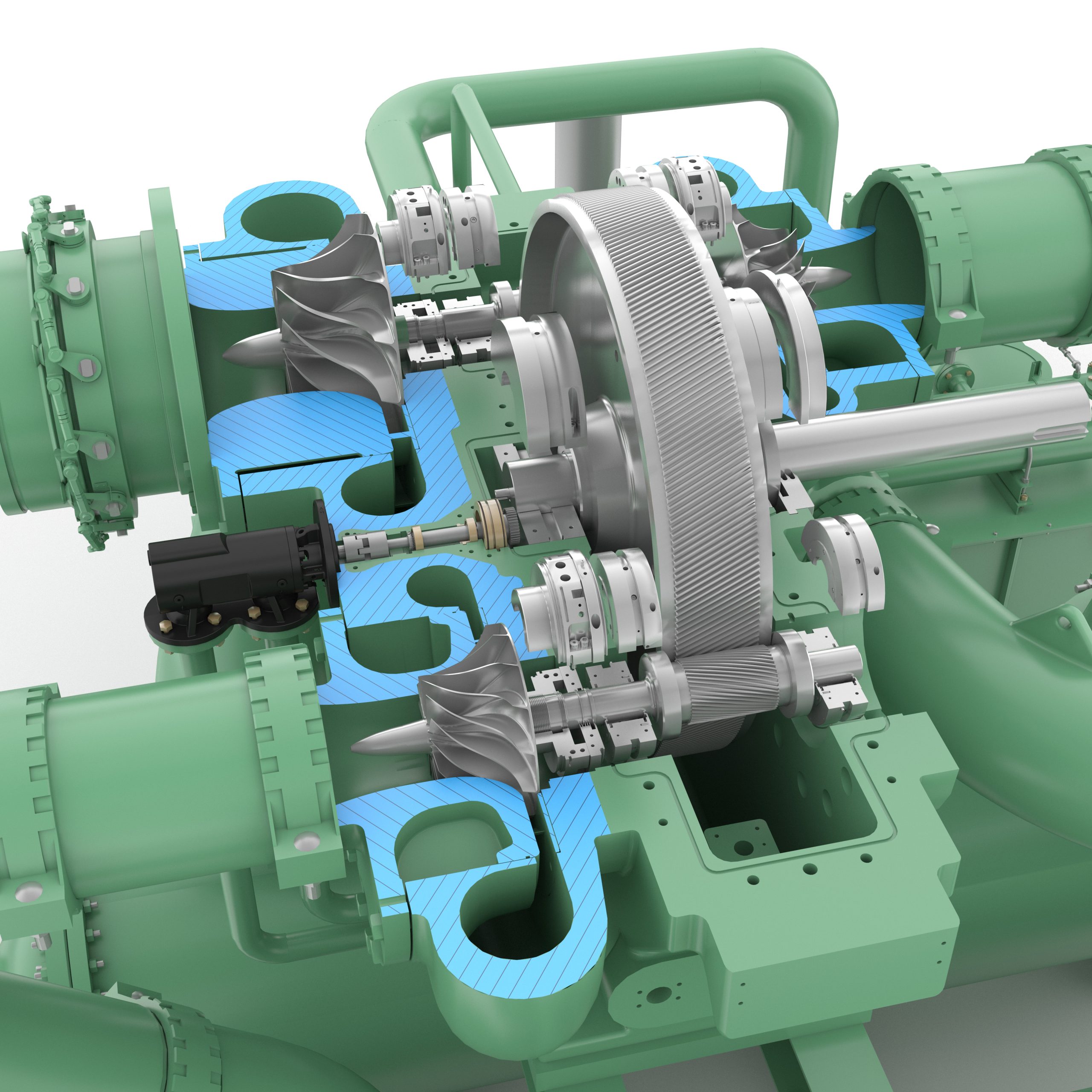
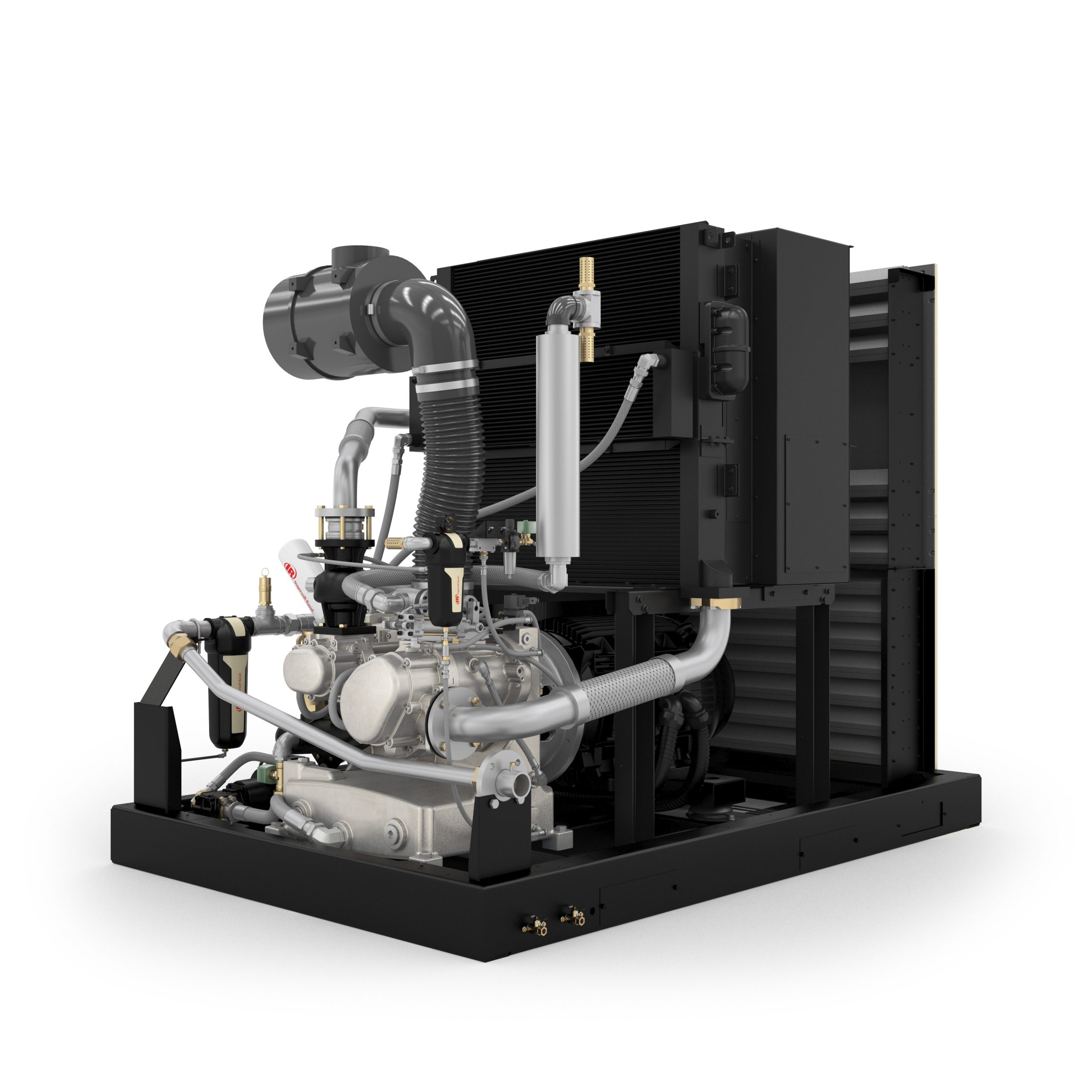
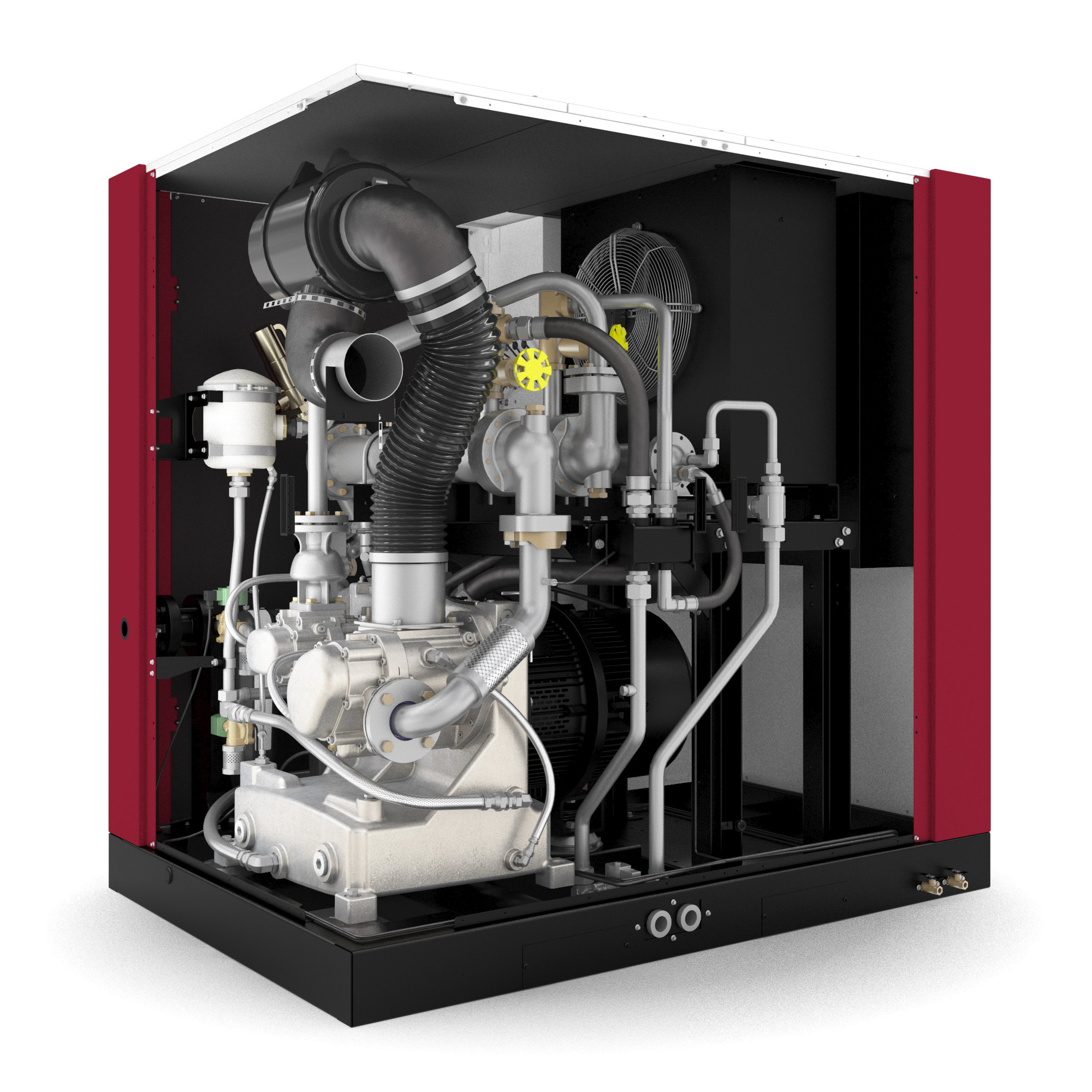
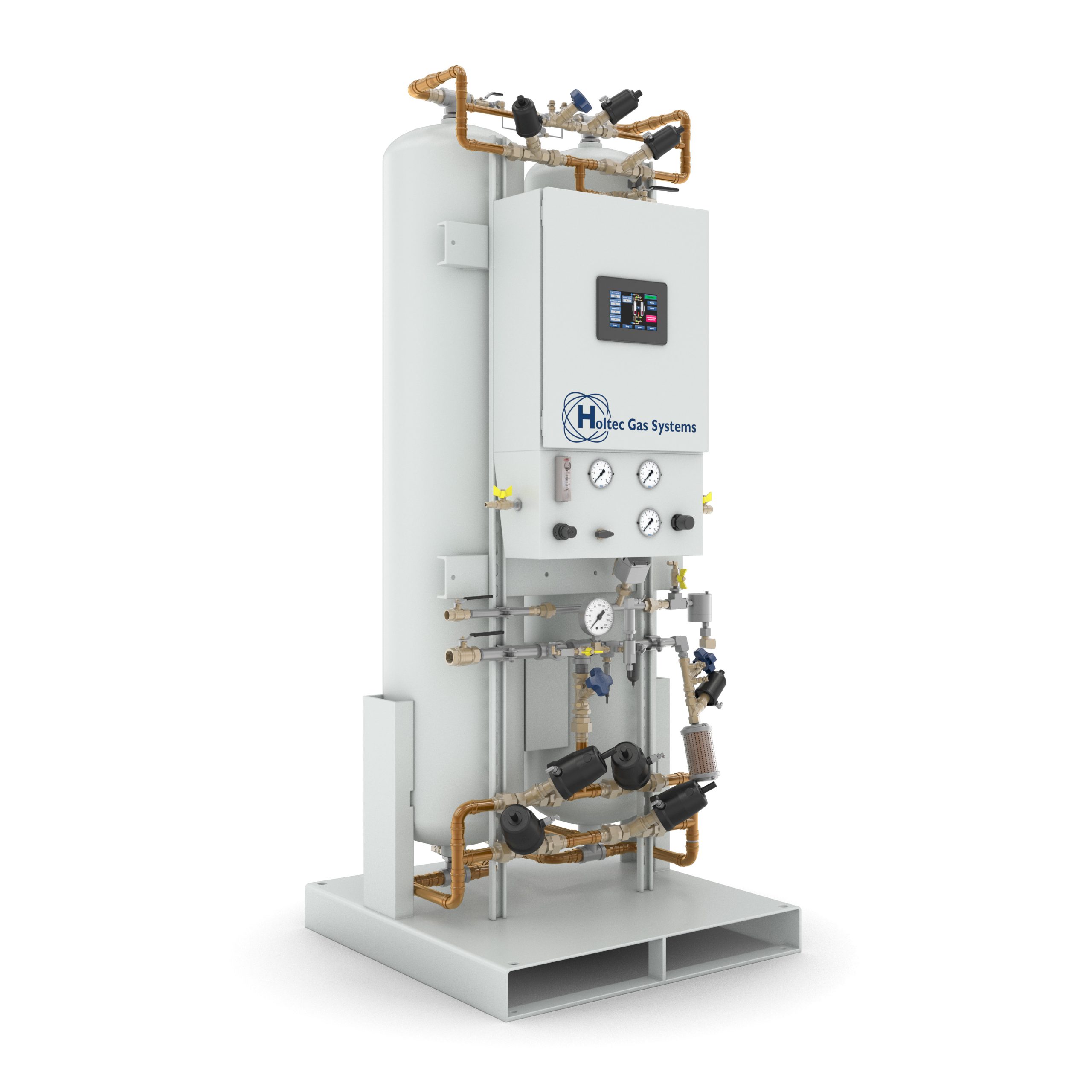
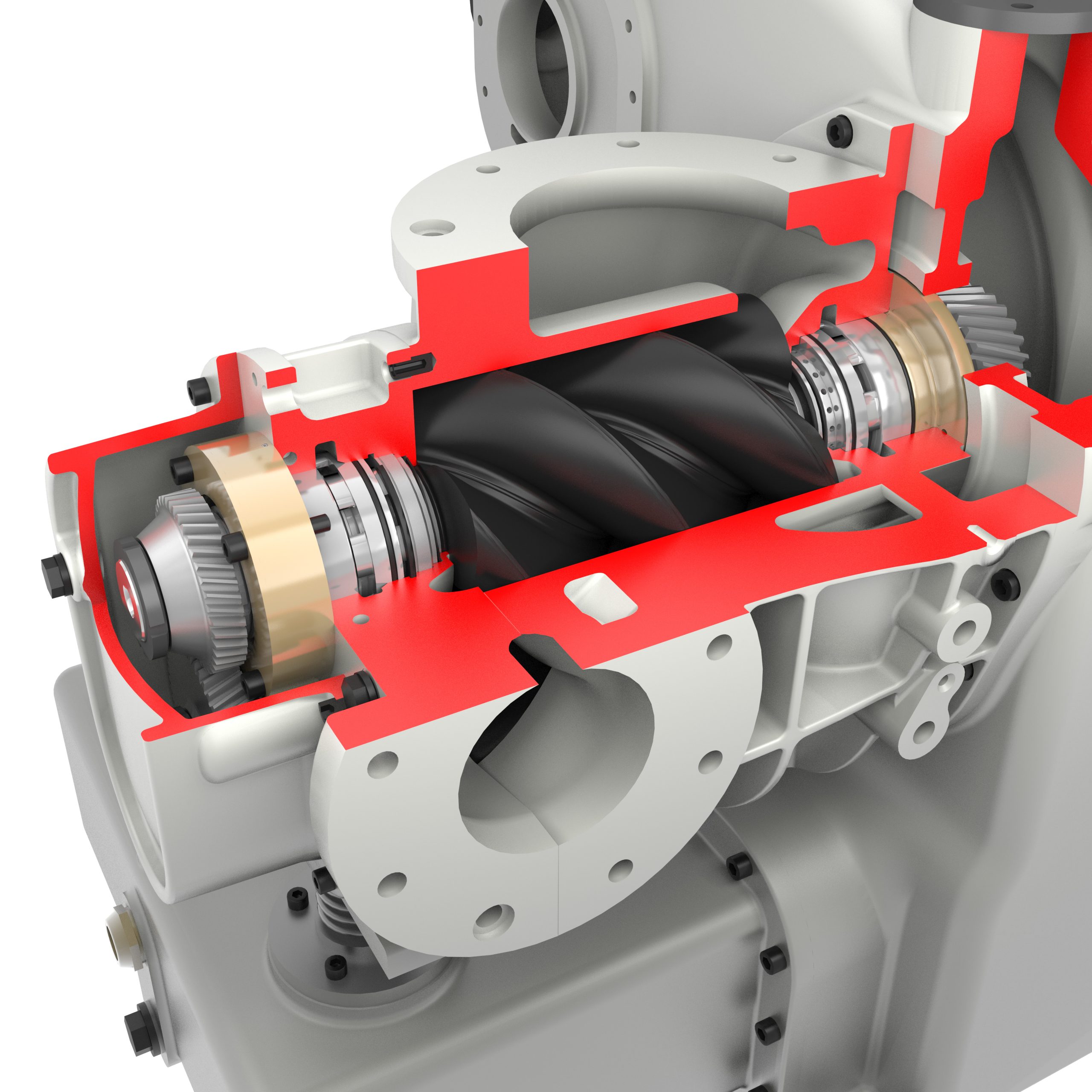
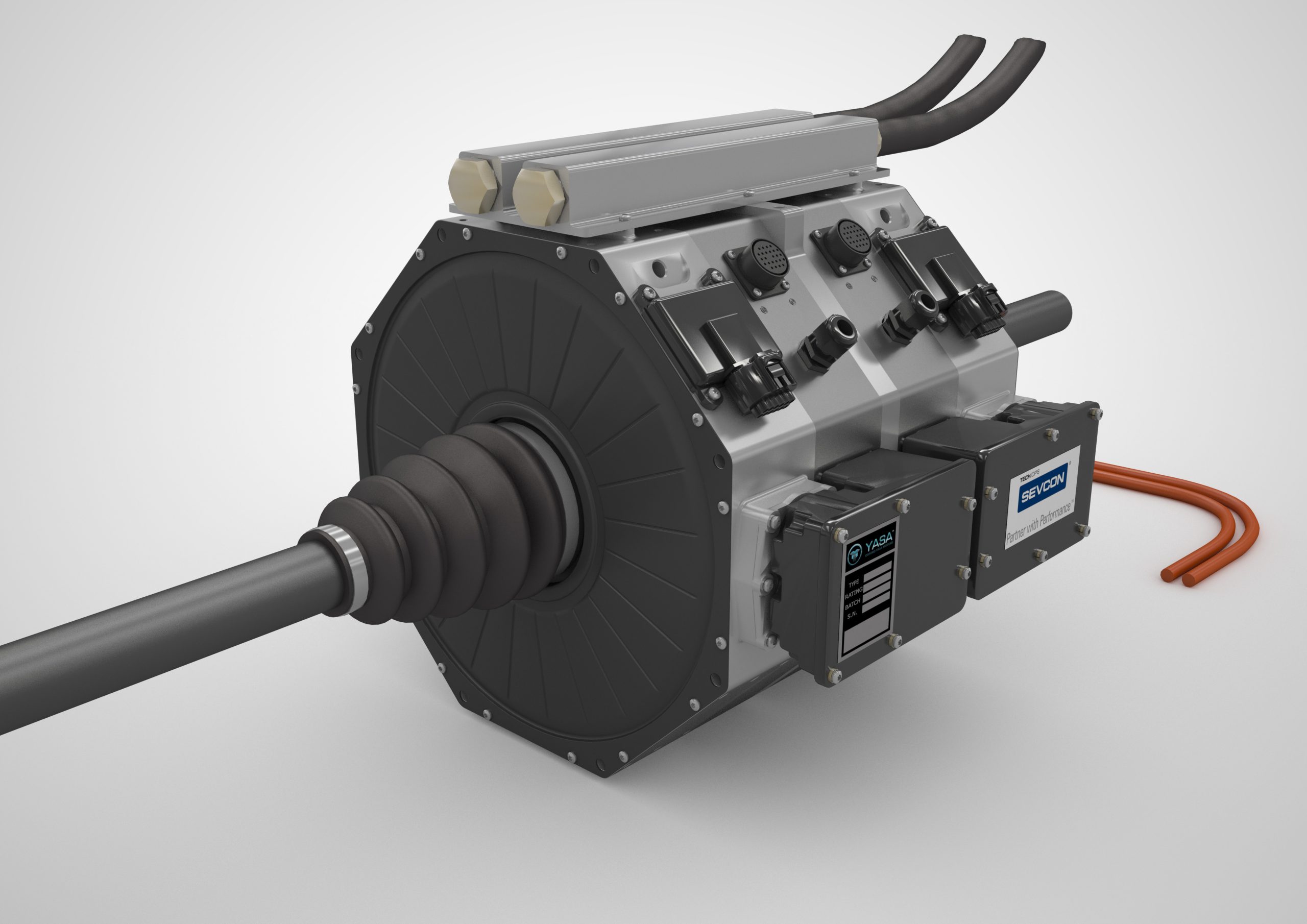
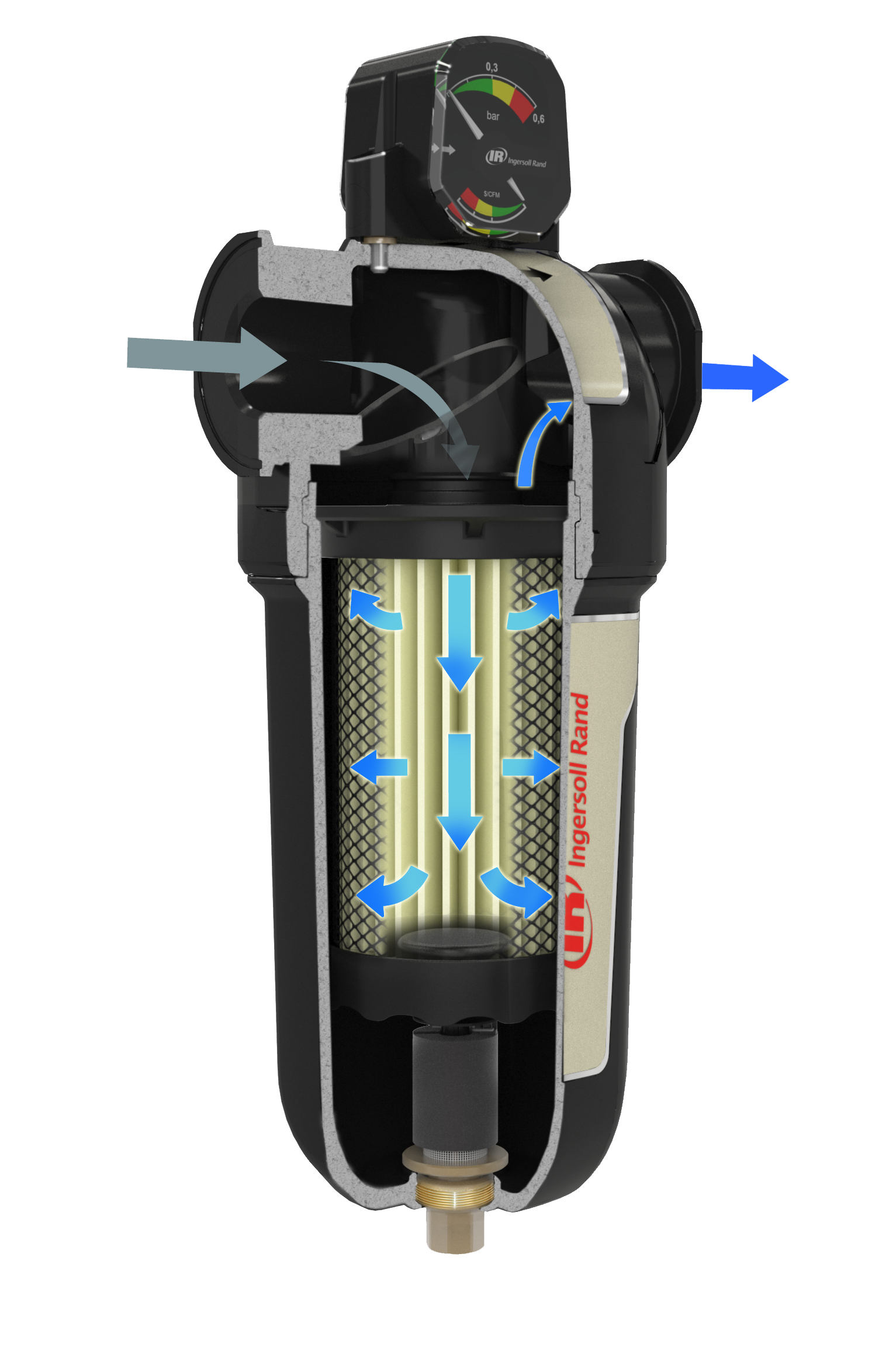
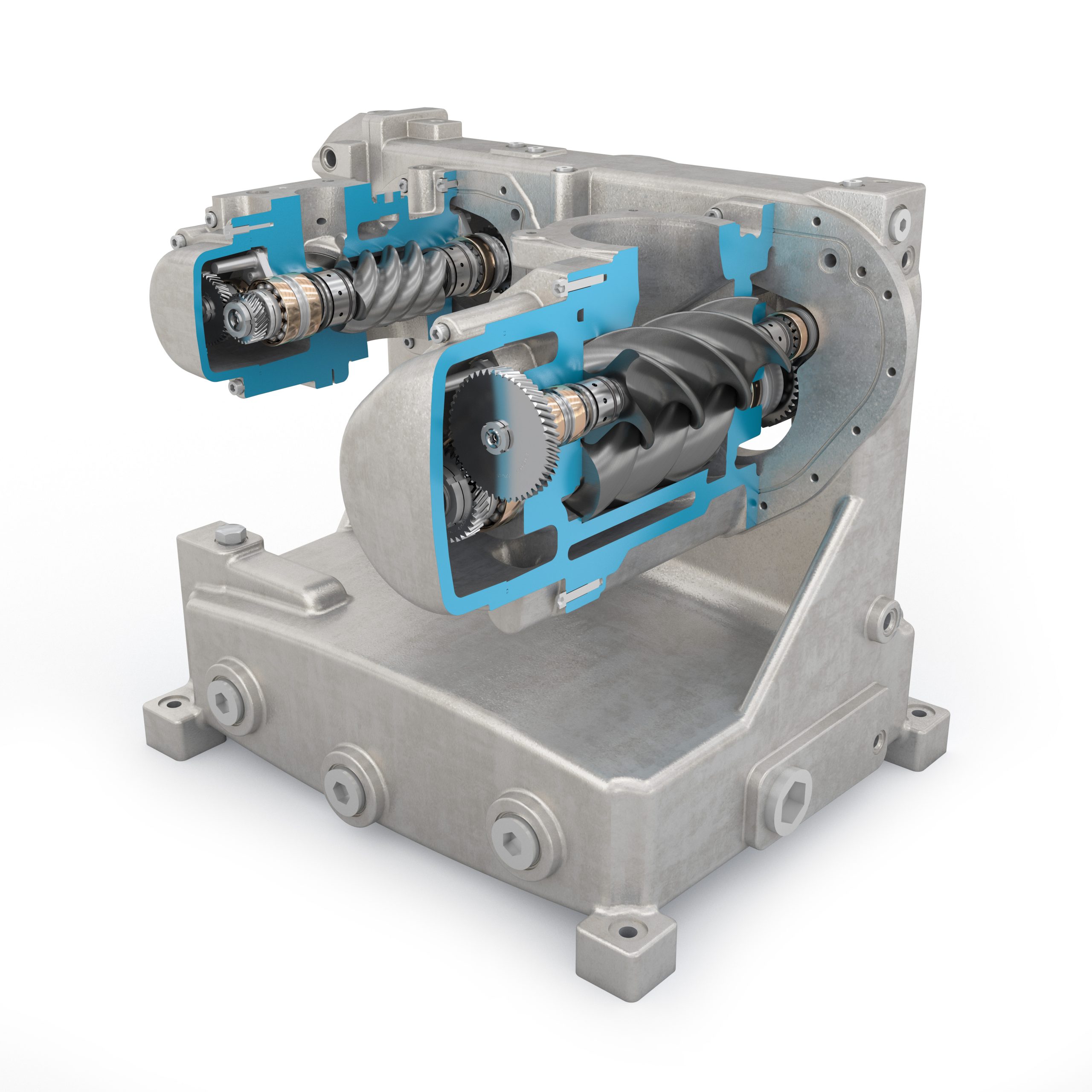
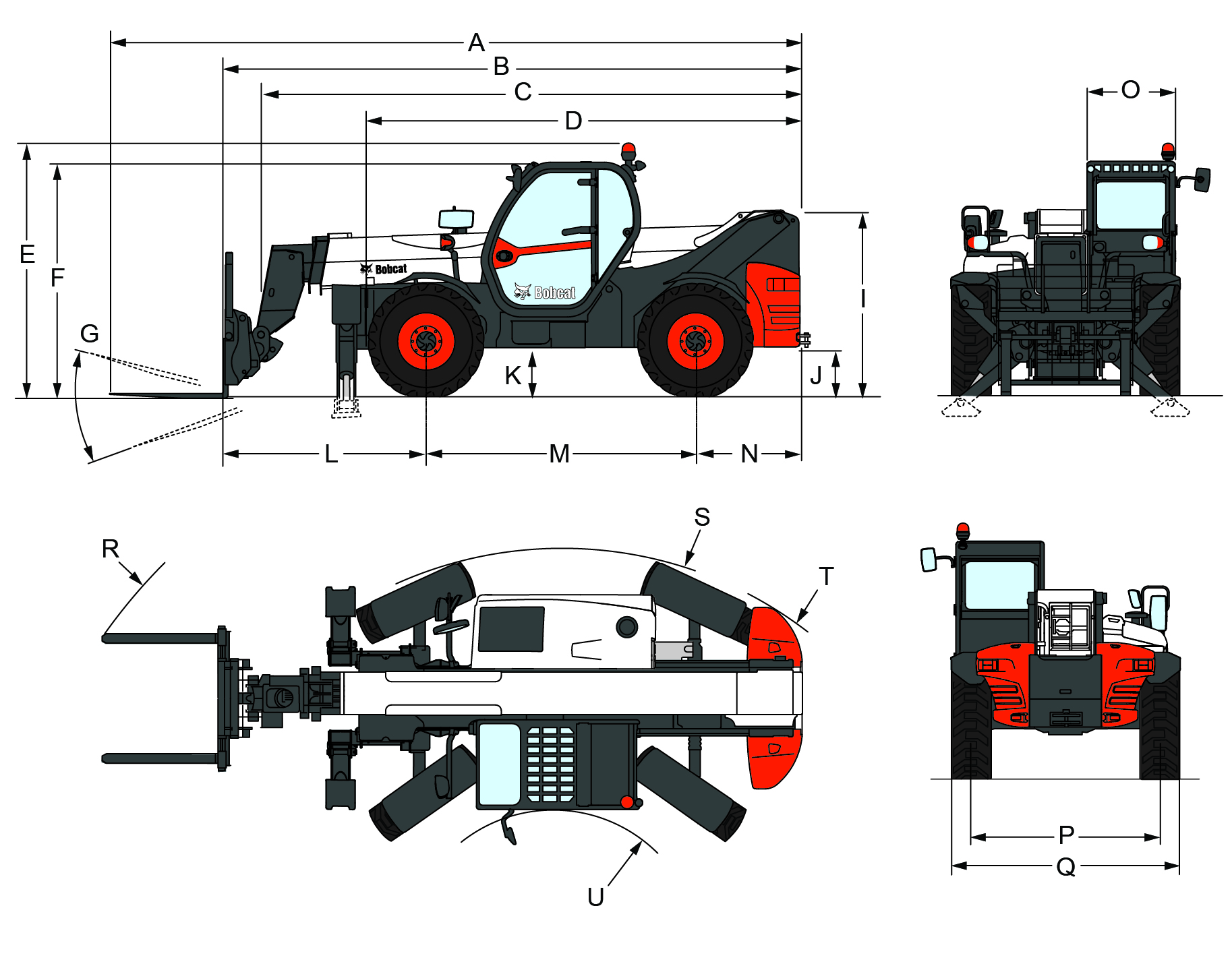
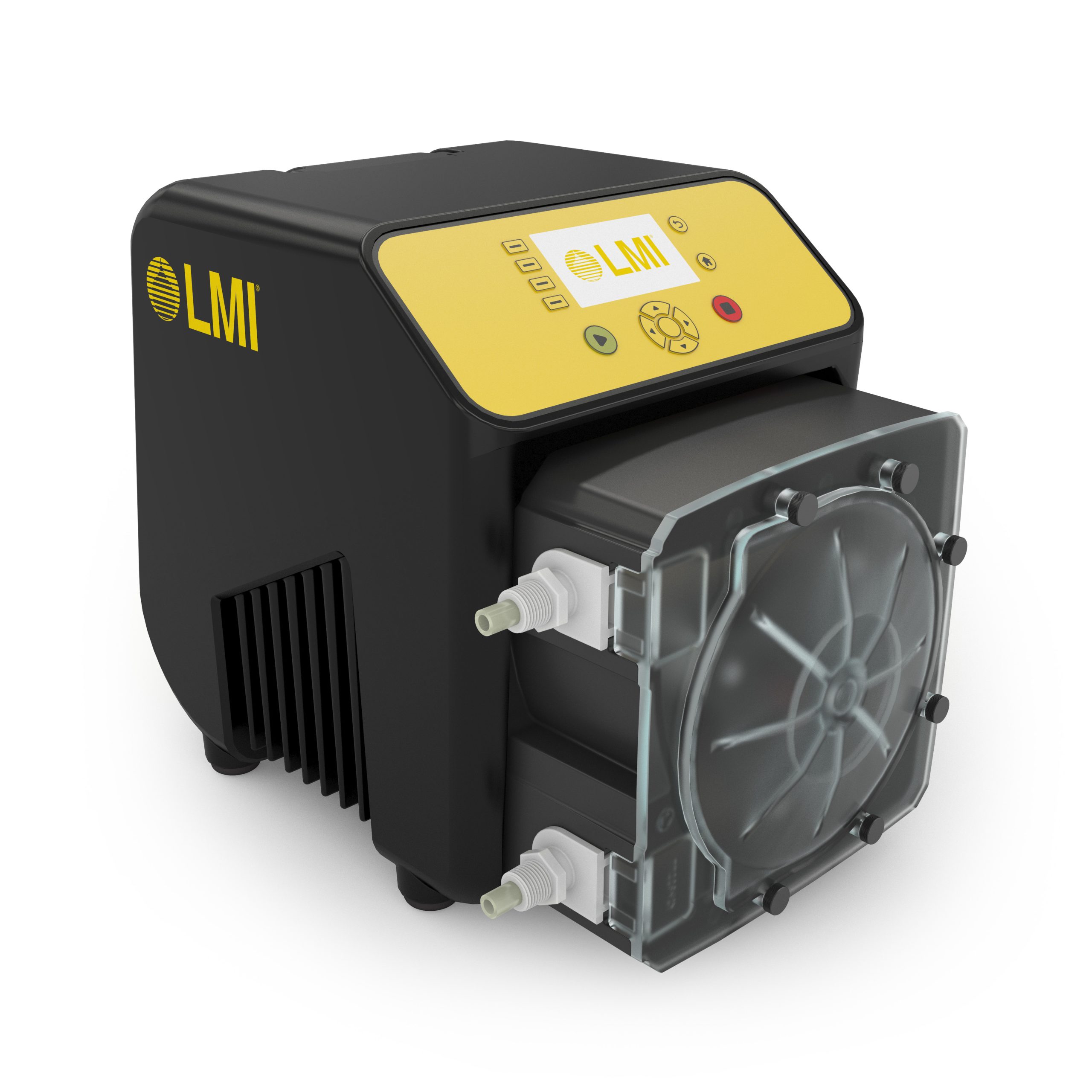
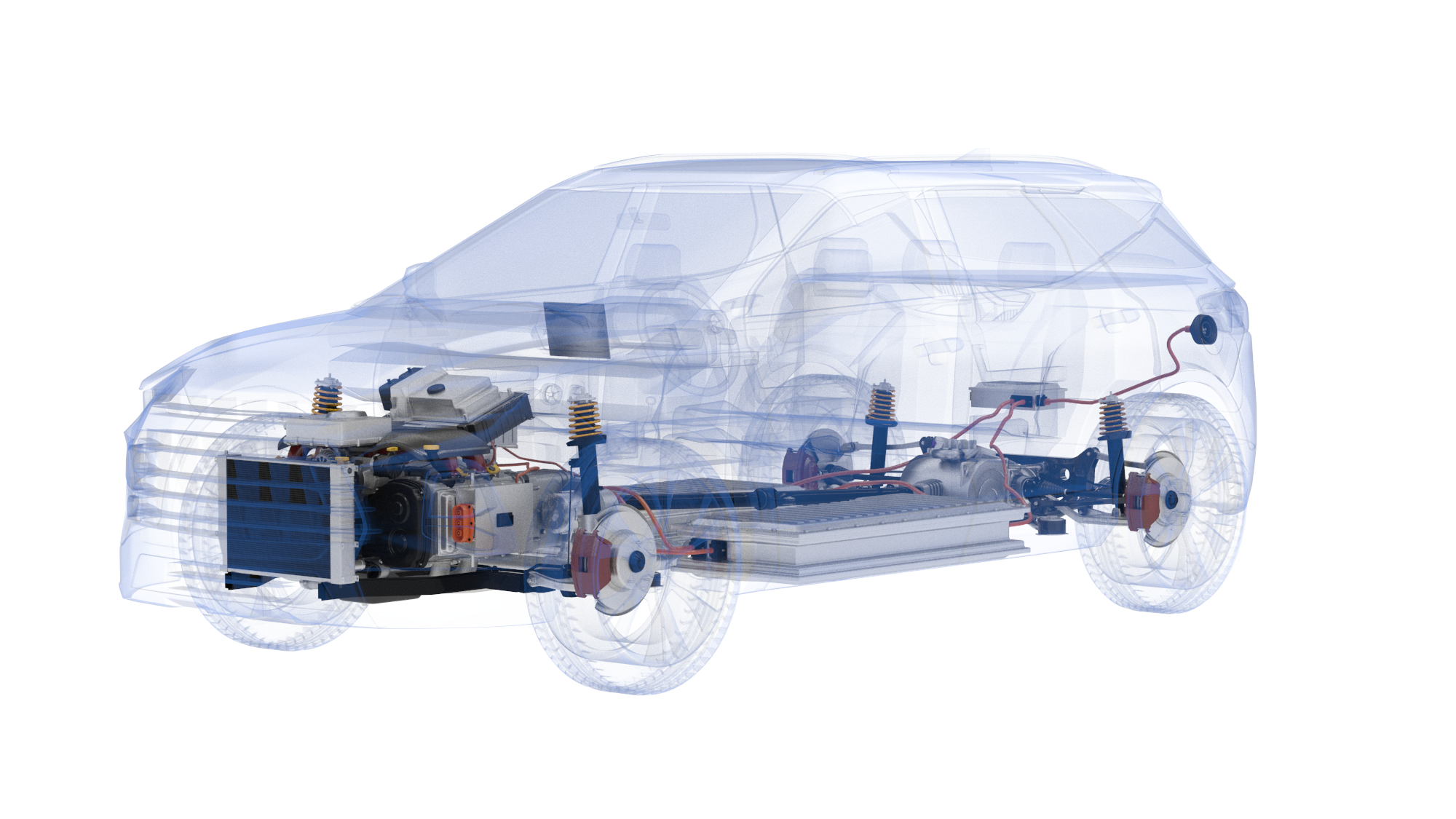
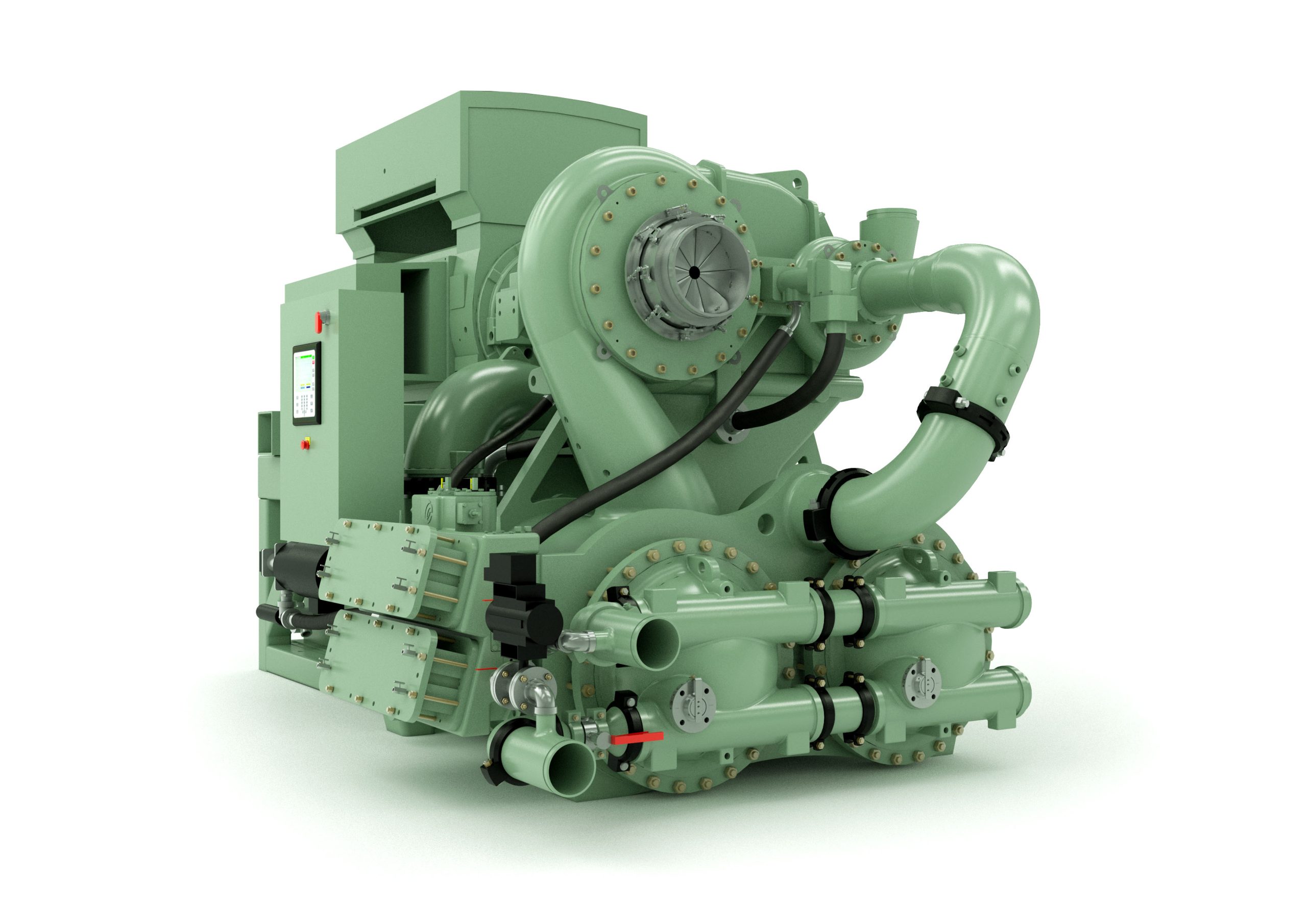
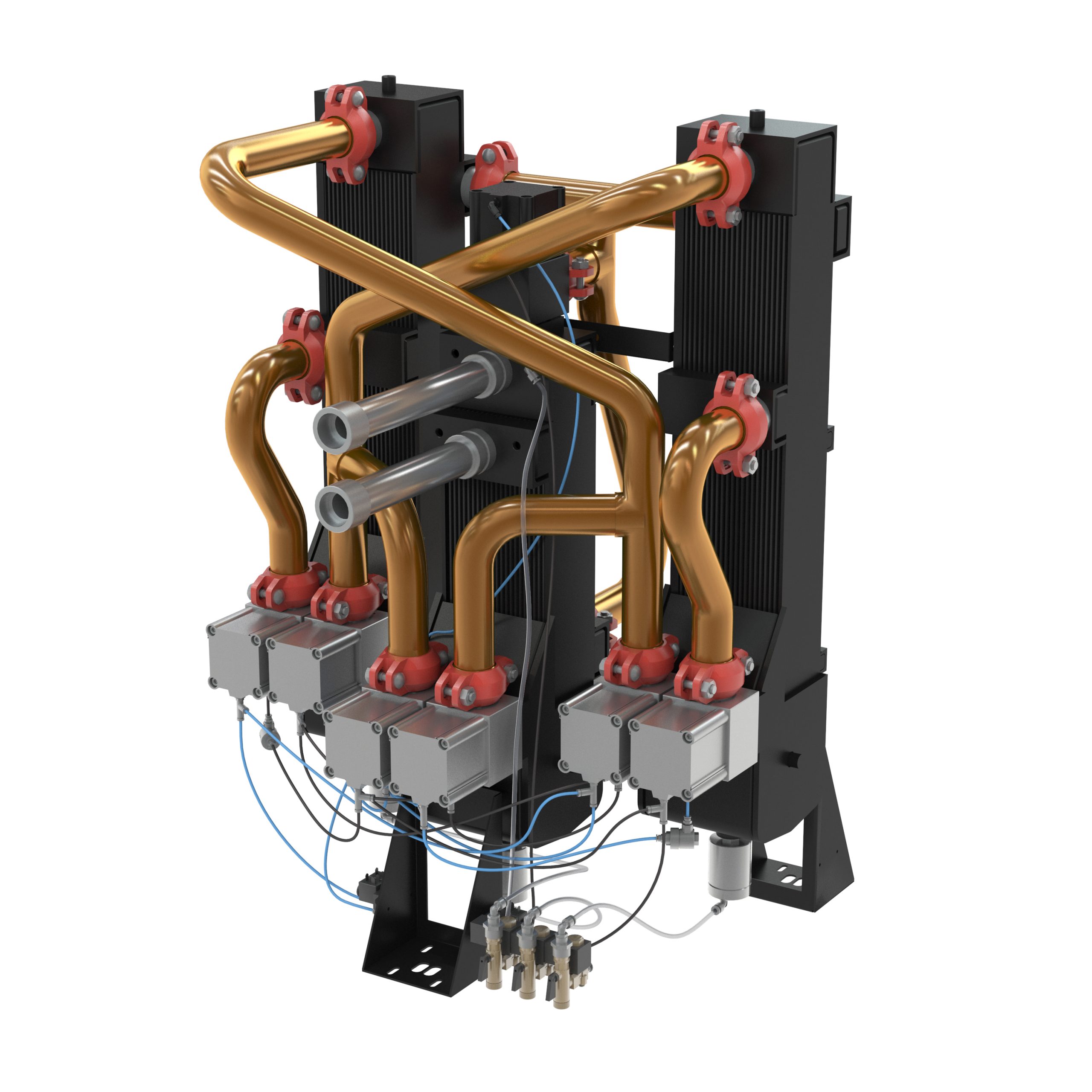
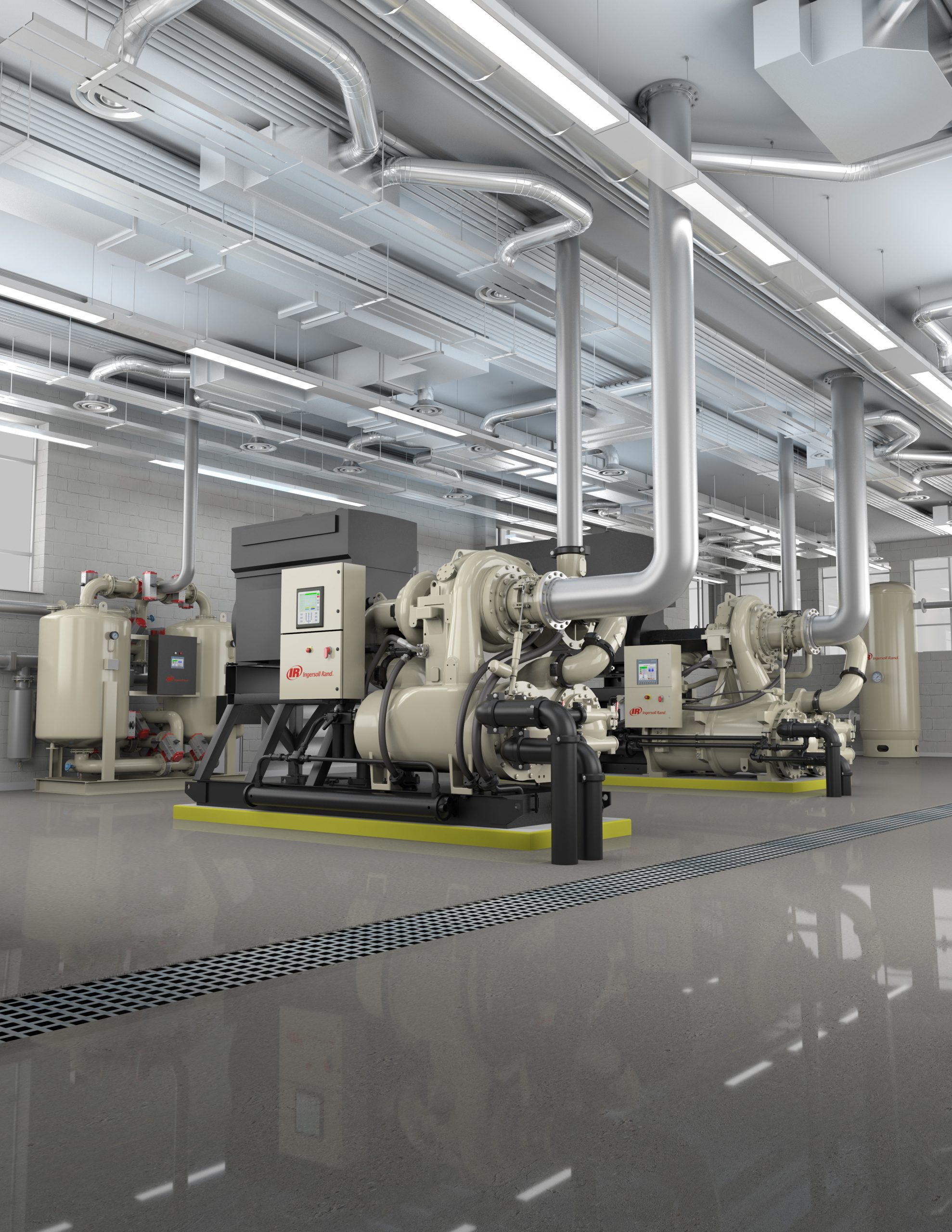
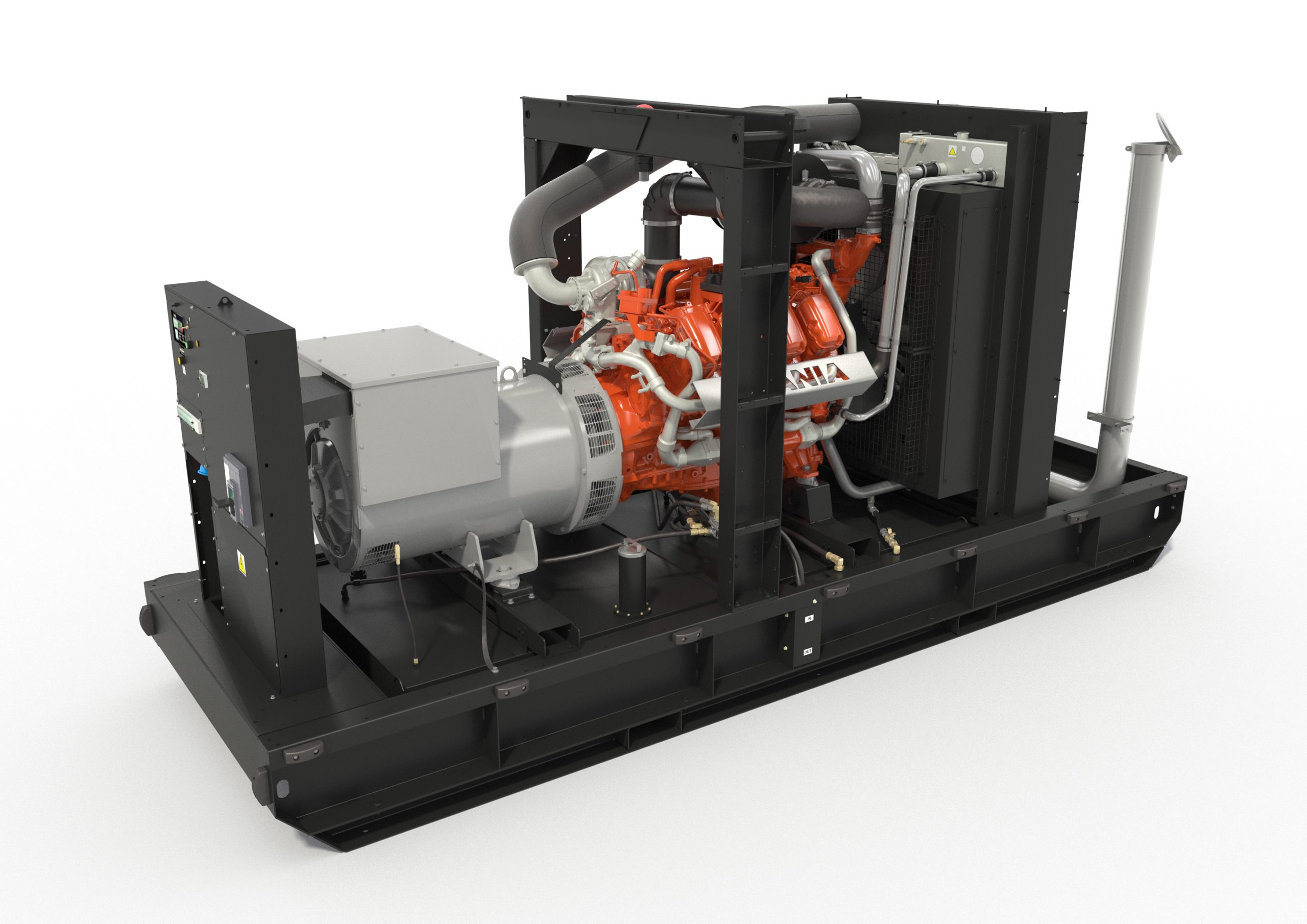
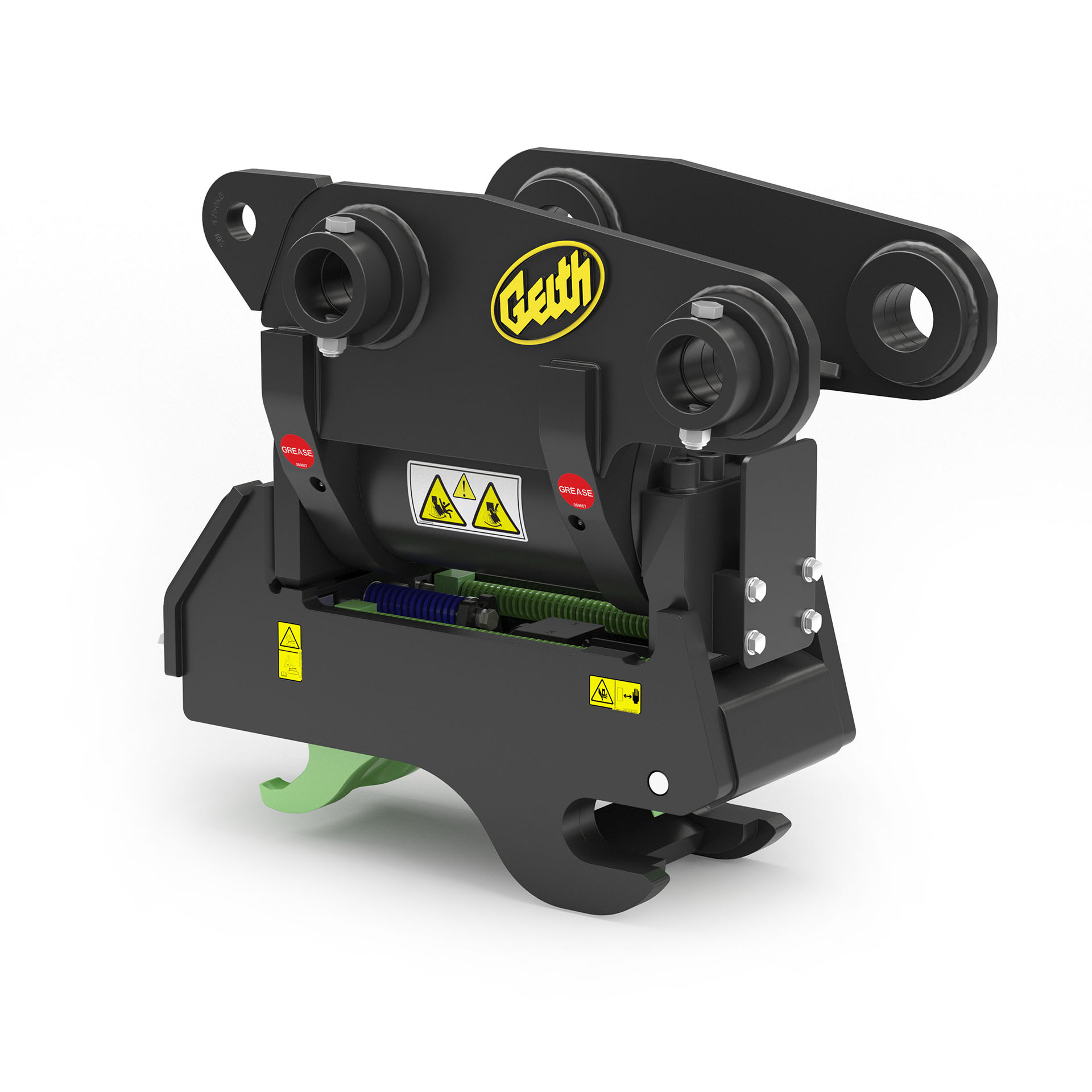
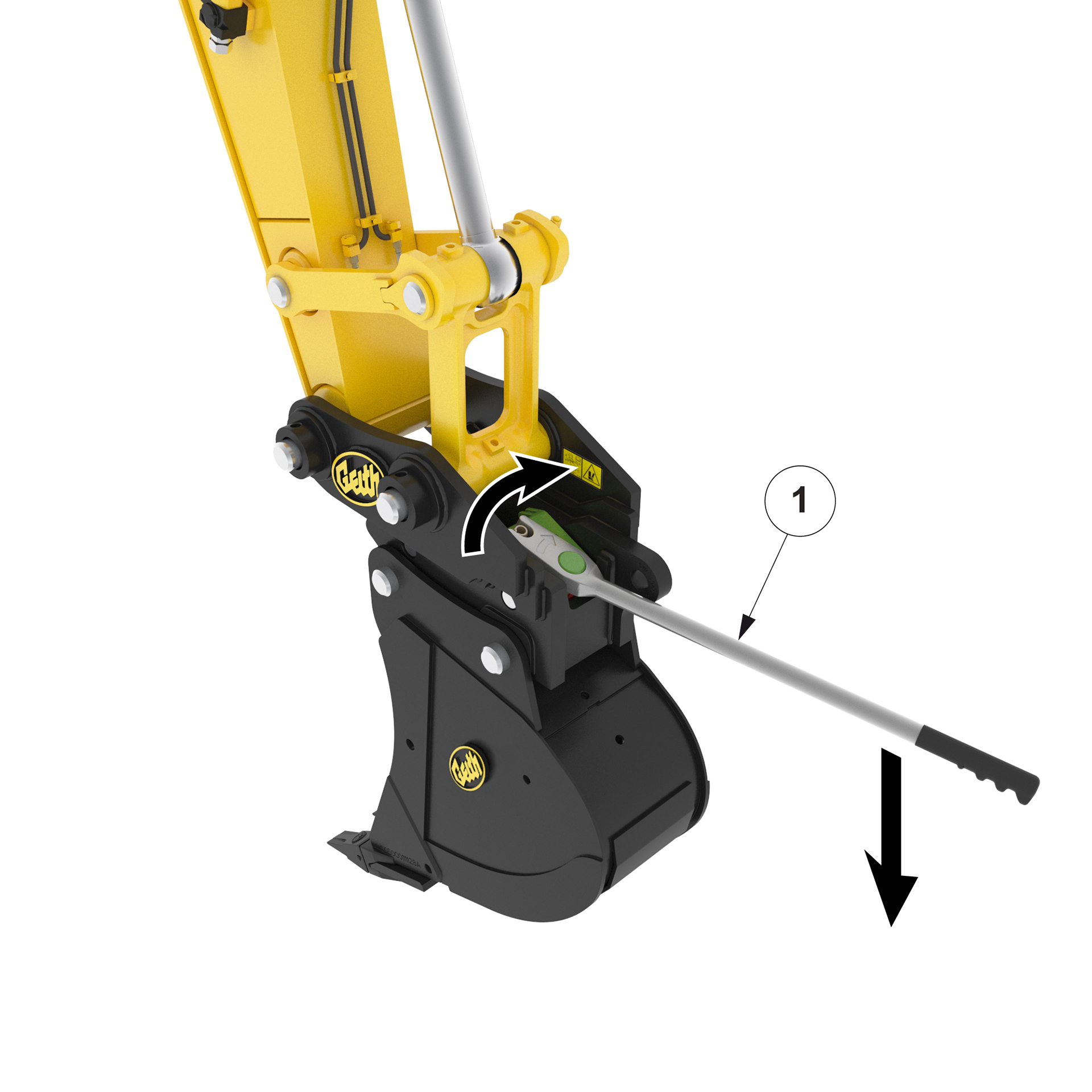
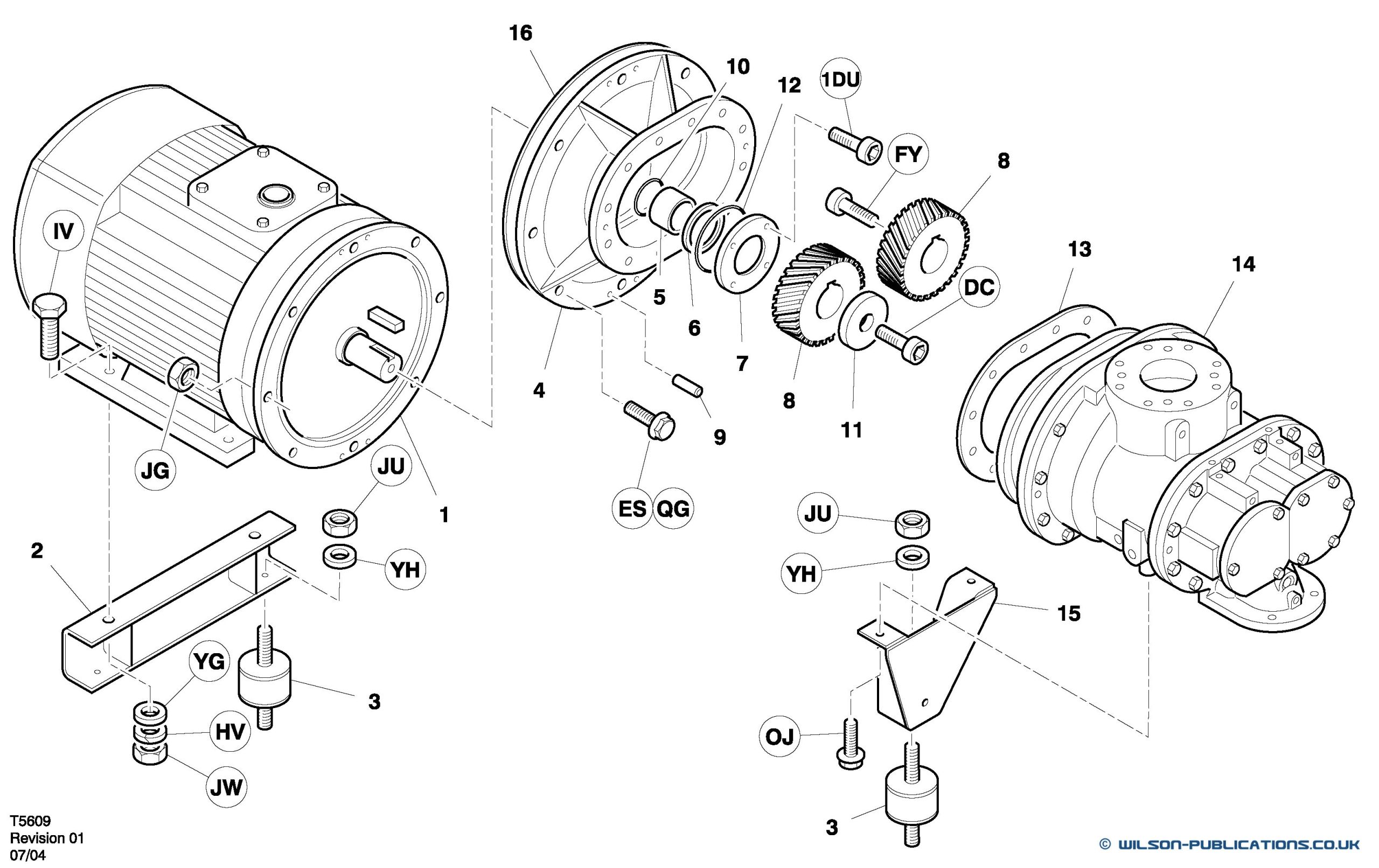
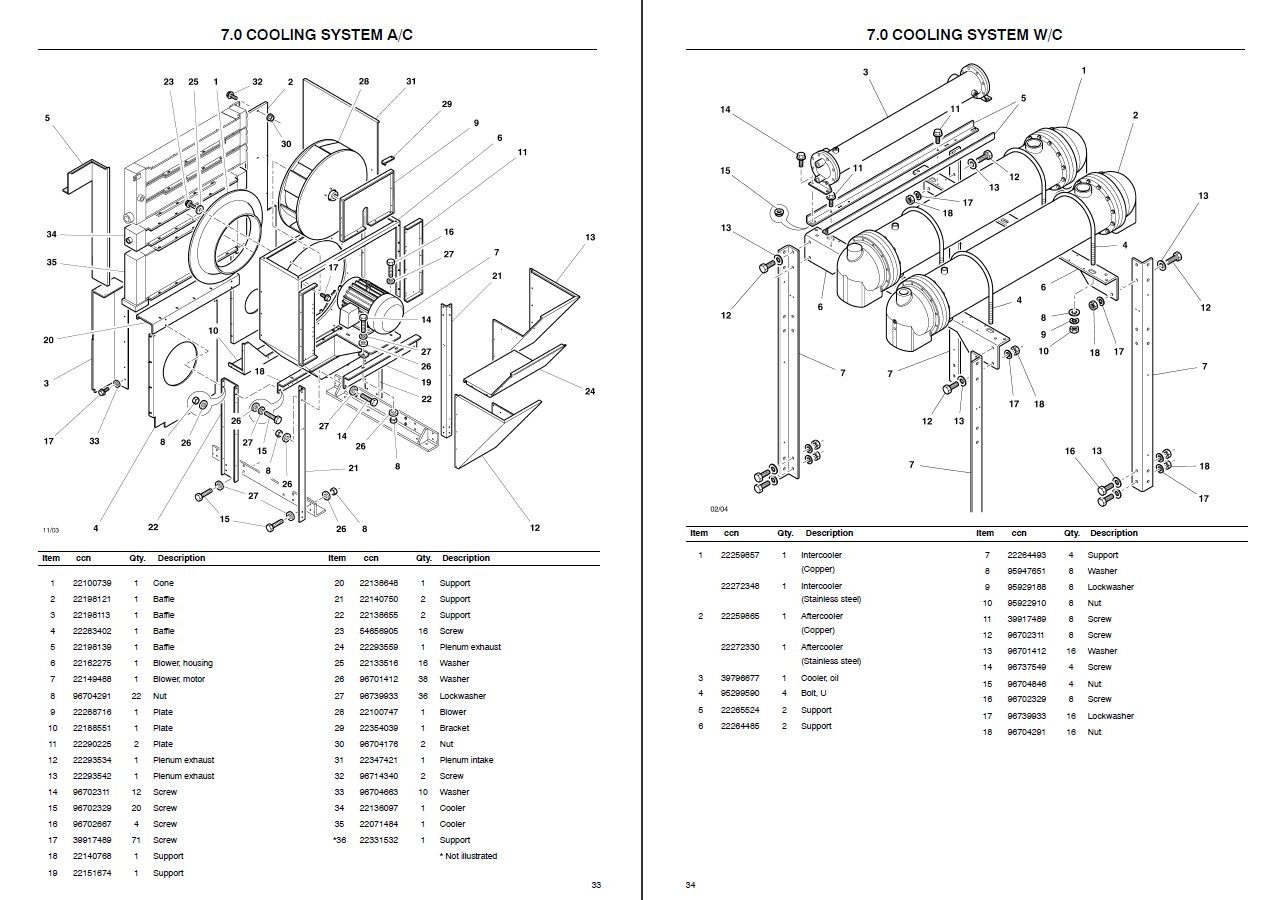
Visual communication is equally important. Technical illustrations often explain procedures more effectively than text alone and help users identify components quickly.
Useful visual elements include:
Combining accurate technical writing with well-designed illustrations creates documentation that is easier to understand and reduces the likelihood of user error.
Technical manuals should evolve alongside the products they support. Engineering changes, revised components and product improvements all require documentation to be reviewed and updated to maintain accuracy.
Without effective document management, inconsistencies can quickly appear between different manuals, creating confusion for operators, technicians and support teams.
Manufacturers can improve long-term documentation quality by:
These practices make documentation easier to maintain while ensuring users always have access to reliable information.
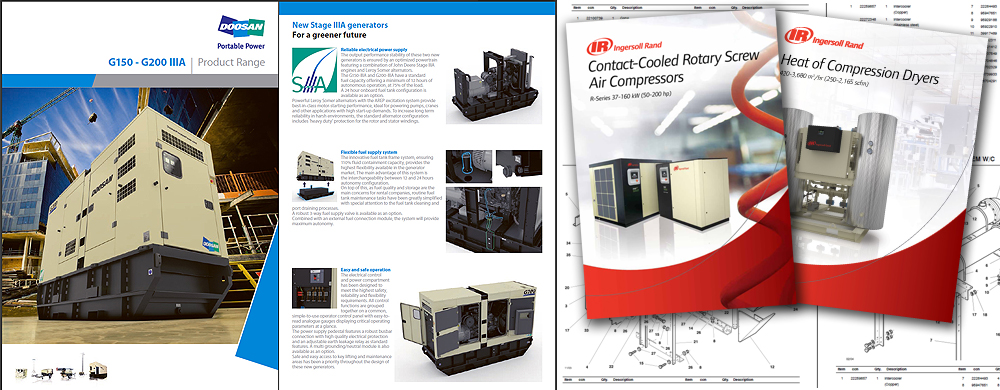
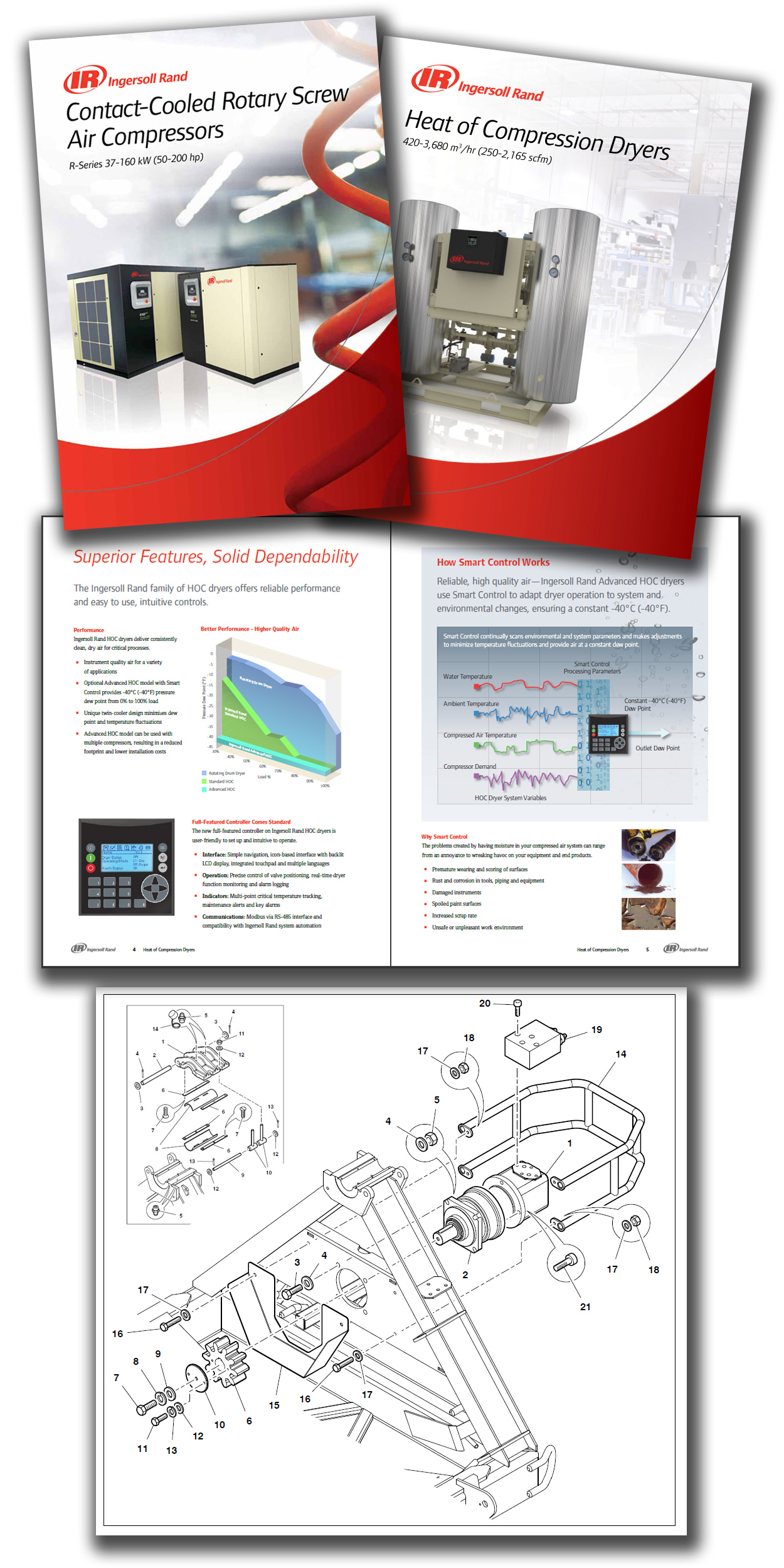
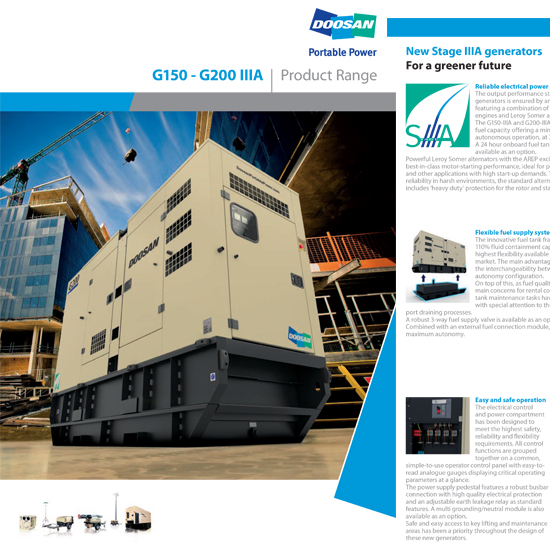
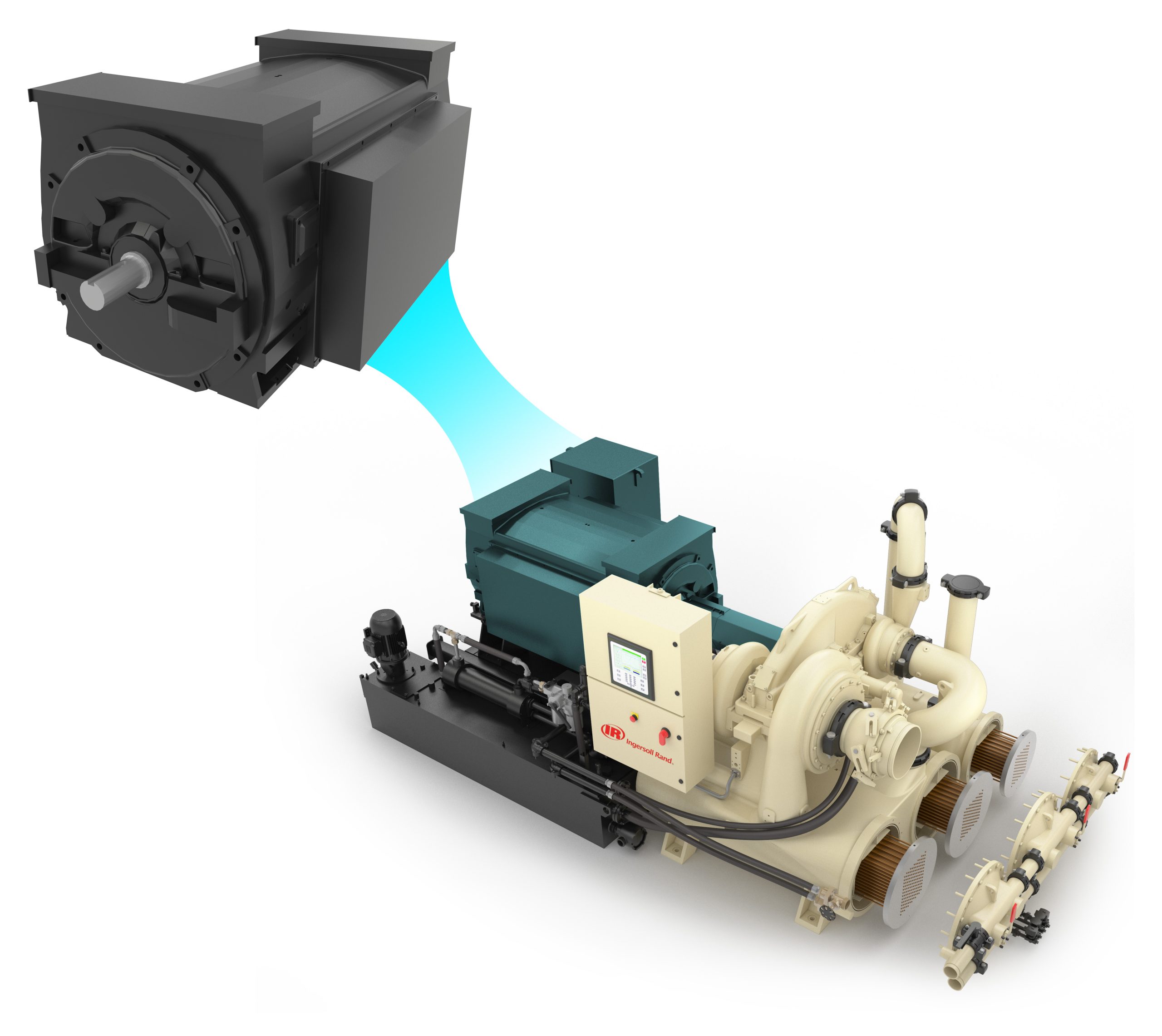
Modern technical manuals rarely exist in isolation. They often form part of a wider documentation ecosystem that includes illustrated parts manuals, technical illustrations, maintenance procedures, training materials and multilingual publications.
By viewing documentation as an integrated product support system, manufacturers can create information that remains consistent across multiple outputs while reducing duplicated effort.
Structured documentation processes also make it easier to publish content in different formats, support future product developments and deliver a more consistent experience for customers around the world.
An effective technical manual is therefore not simply a document—it is one component of a broader information strategy that supports products throughout their lifecycle.
An effective technical manual combines accurate engineering knowledge with clear writing, logical organisation and purposeful visual communication. Every section should help readers complete tasks safely, efficiently and with confidence.
By understanding the needs of different users and maintaining documentation through structured processes, manufacturers can create manuals that remain accurate, consistent and valuable throughout the product lifecycle. Well-designed technical manuals not only improve the user experience but also strengthen product support and reduce the long-term cost of maintaining technical information.
Whether you’re developing documentation for a new product or reviewing an existing suite of manuals, Wilson Publications can help. We create technical manuals, illustrated parts publications, technical illustrations and structured documentation that support complex engineering products throughout their lifecycle.
Every technical manual should include a clear purpose, logical structure, accurate technical information, safety guidance where appropriate and content tailored to its intended audience.
A logical structure helps users find information quickly, improves usability and makes manuals easier to update as products evolve.
Technical illustrations help explain complex procedures, identify components and support written instructions, making documentation easier to understand.
Technical manuals should be reviewed whenever engineering changes, product updates or new maintenance procedures affect the accuracy of the published information.
Yes. Structured authoring enables approved content to be reused across multiple publications, improving consistency while reducing the effort required to maintain documentation.