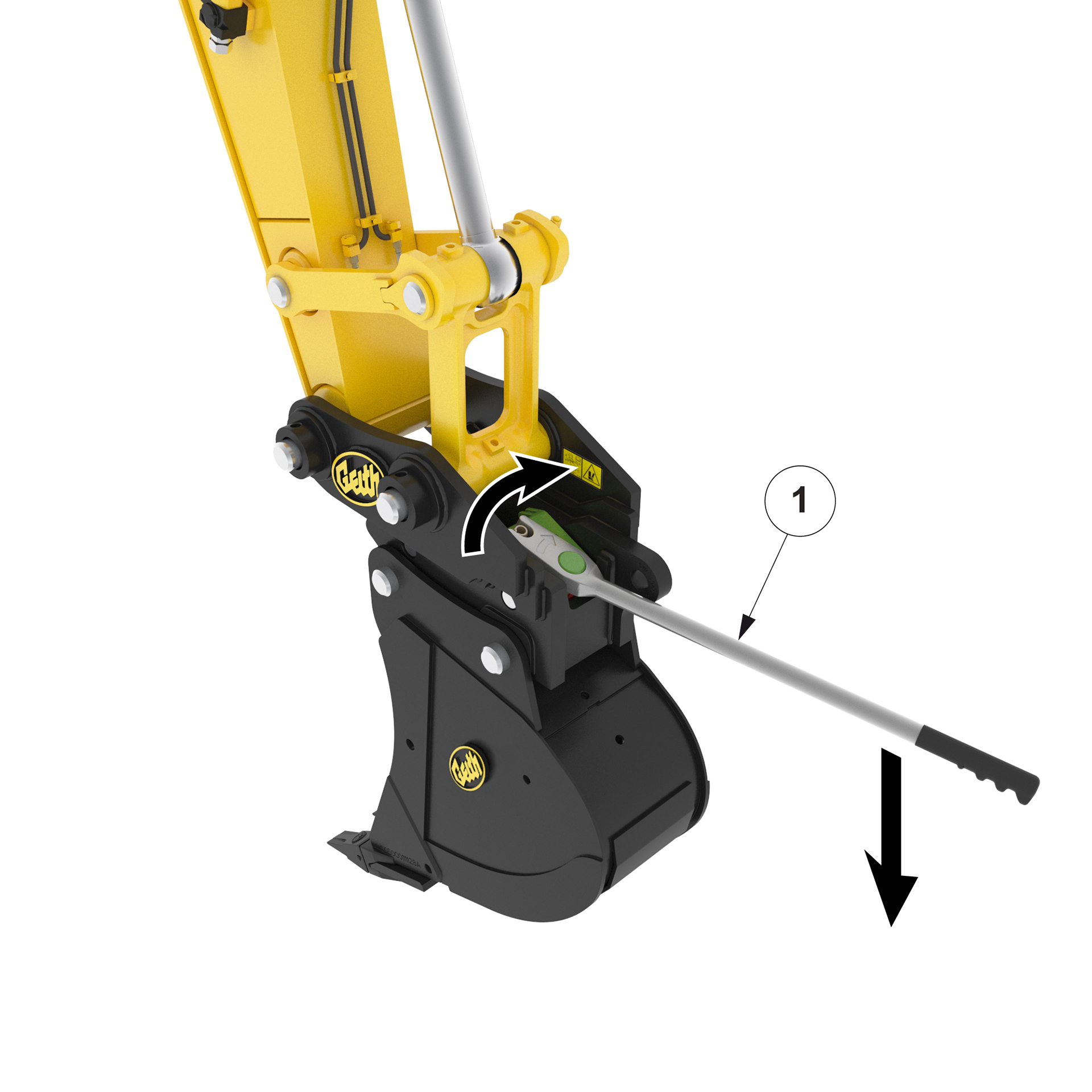
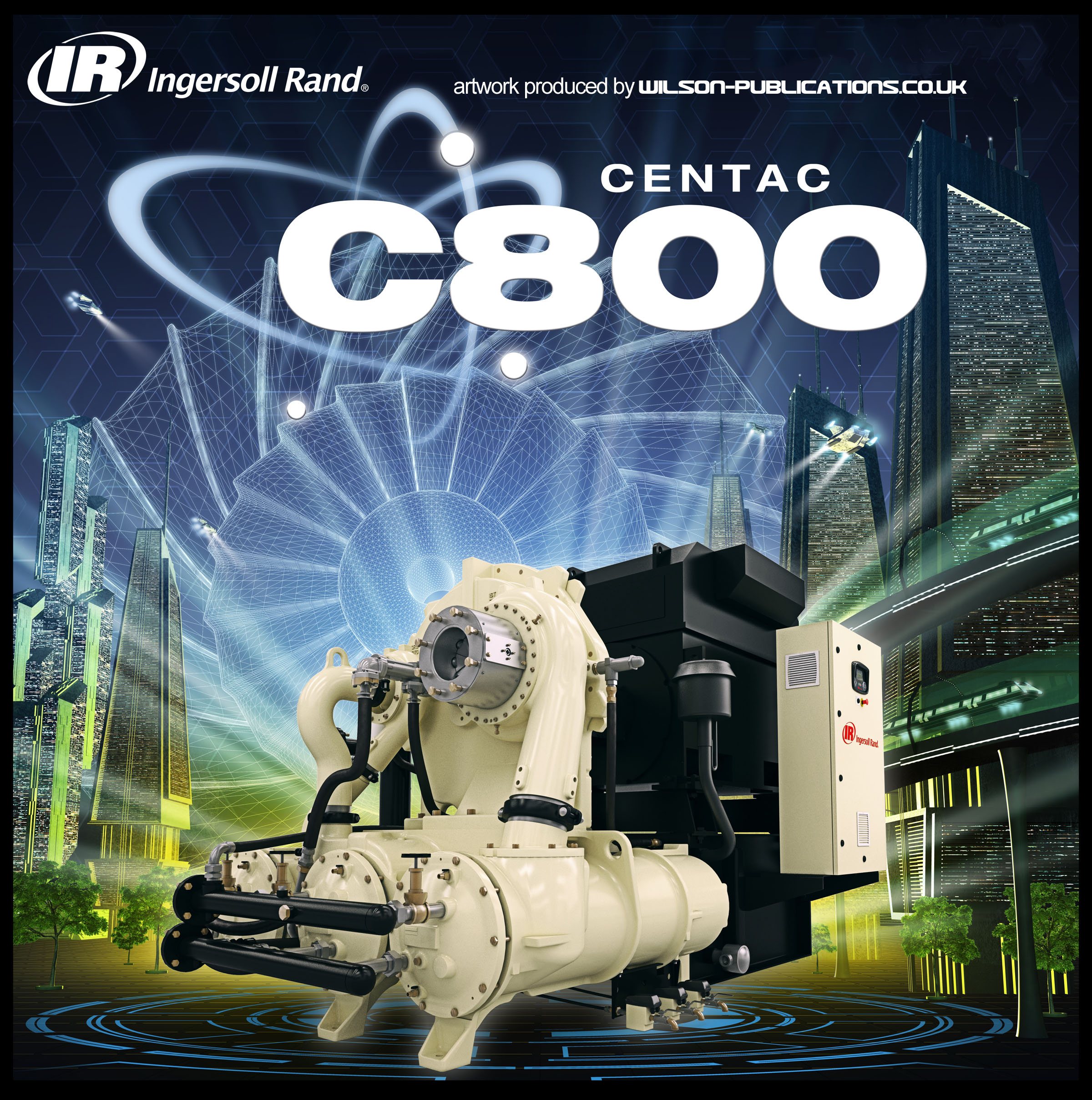
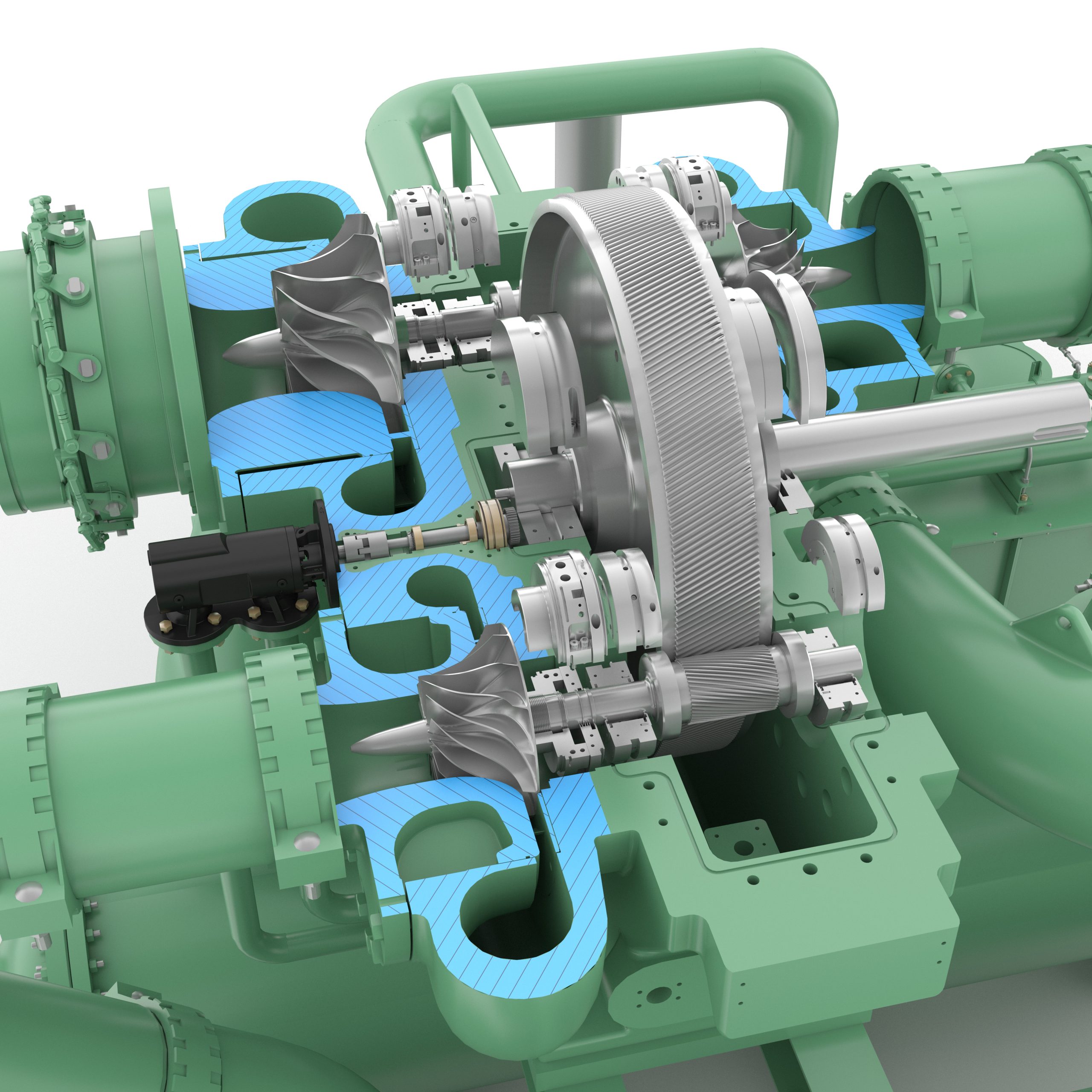
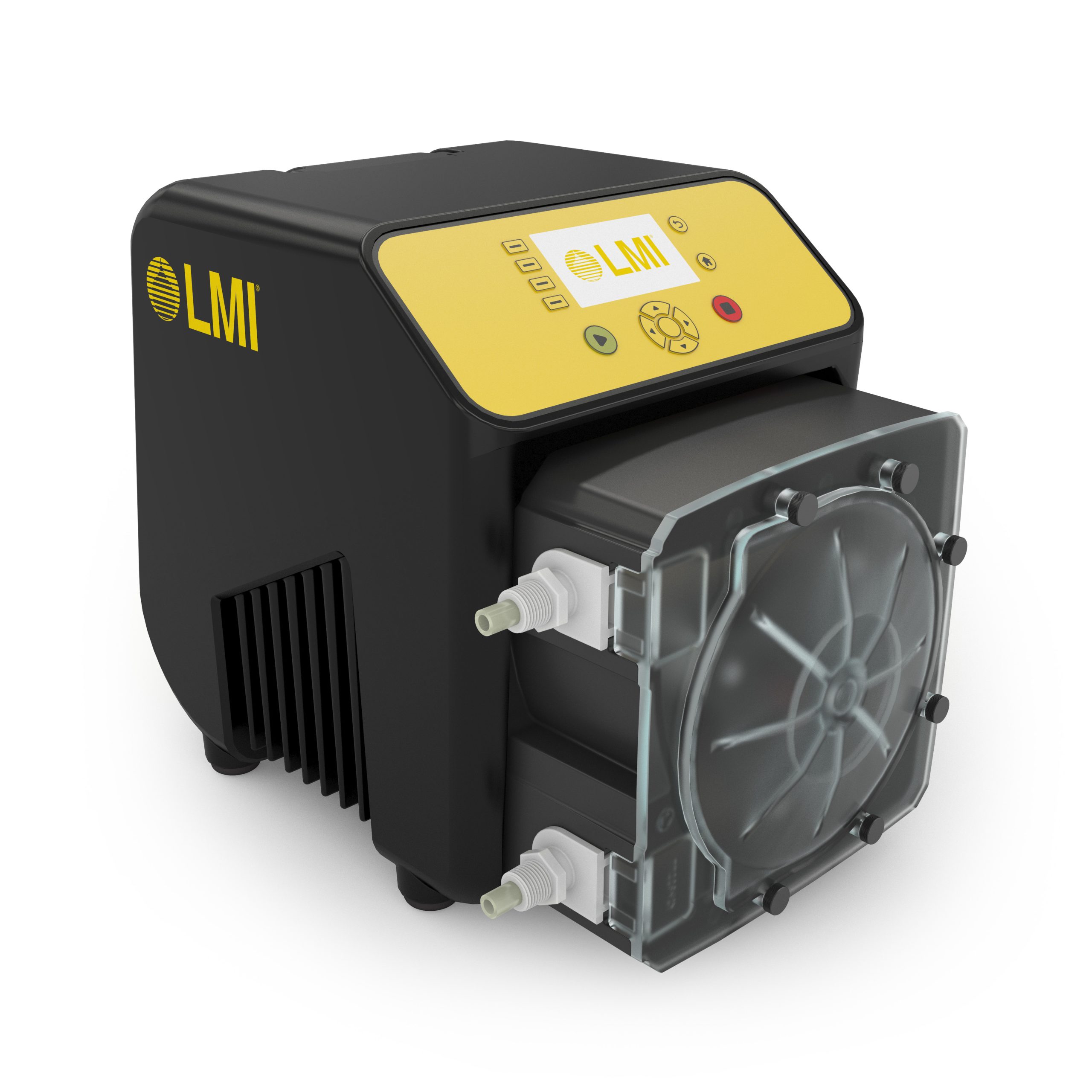
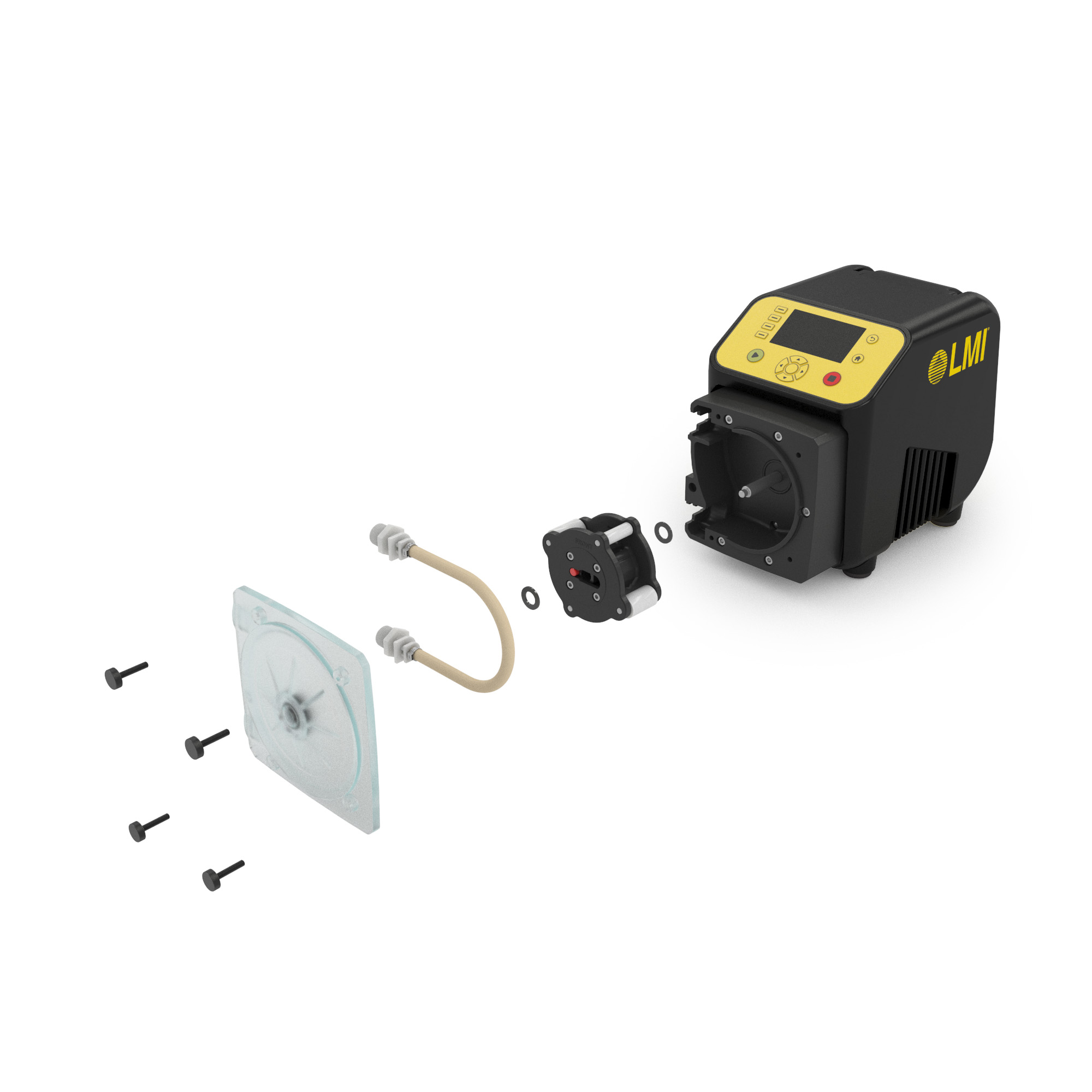
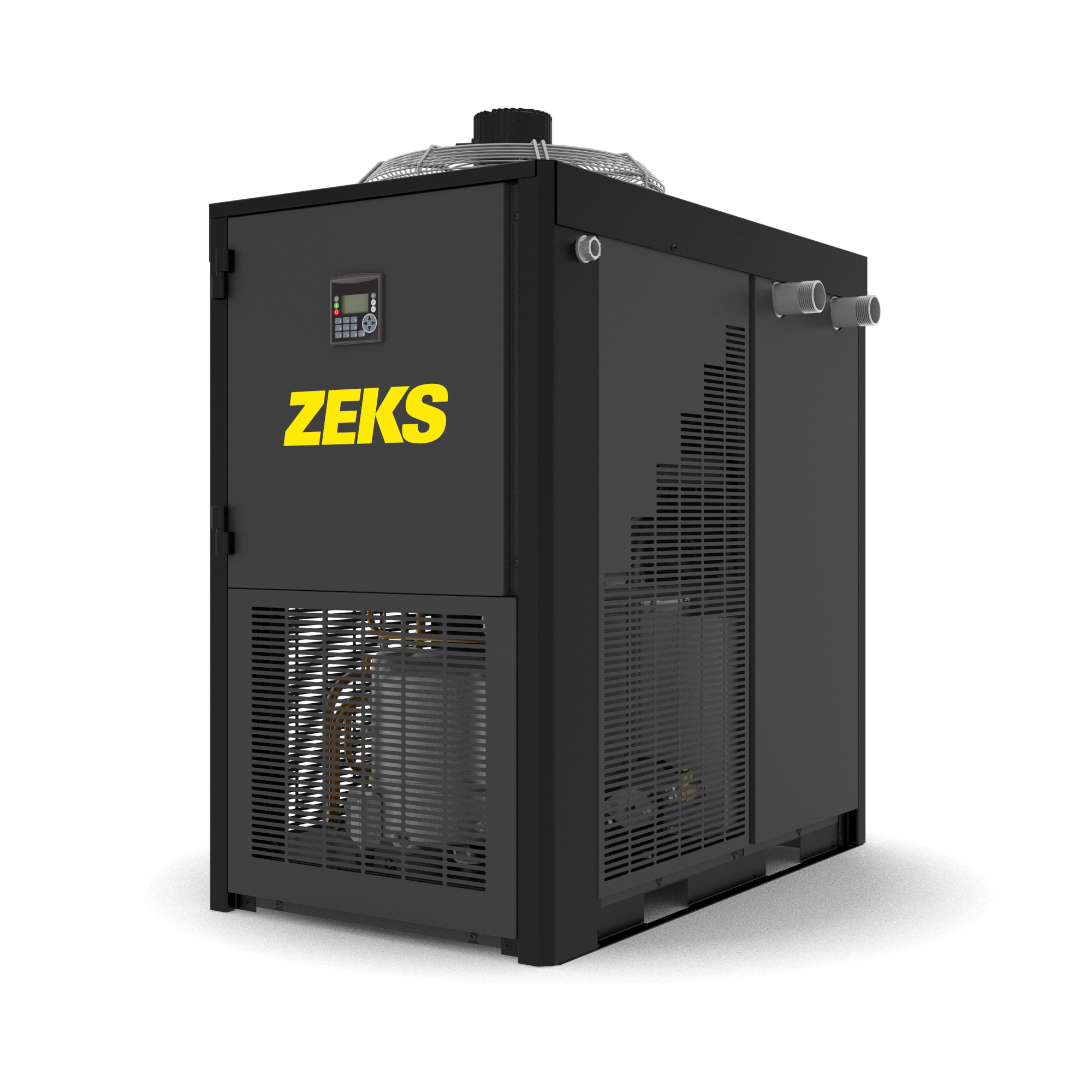
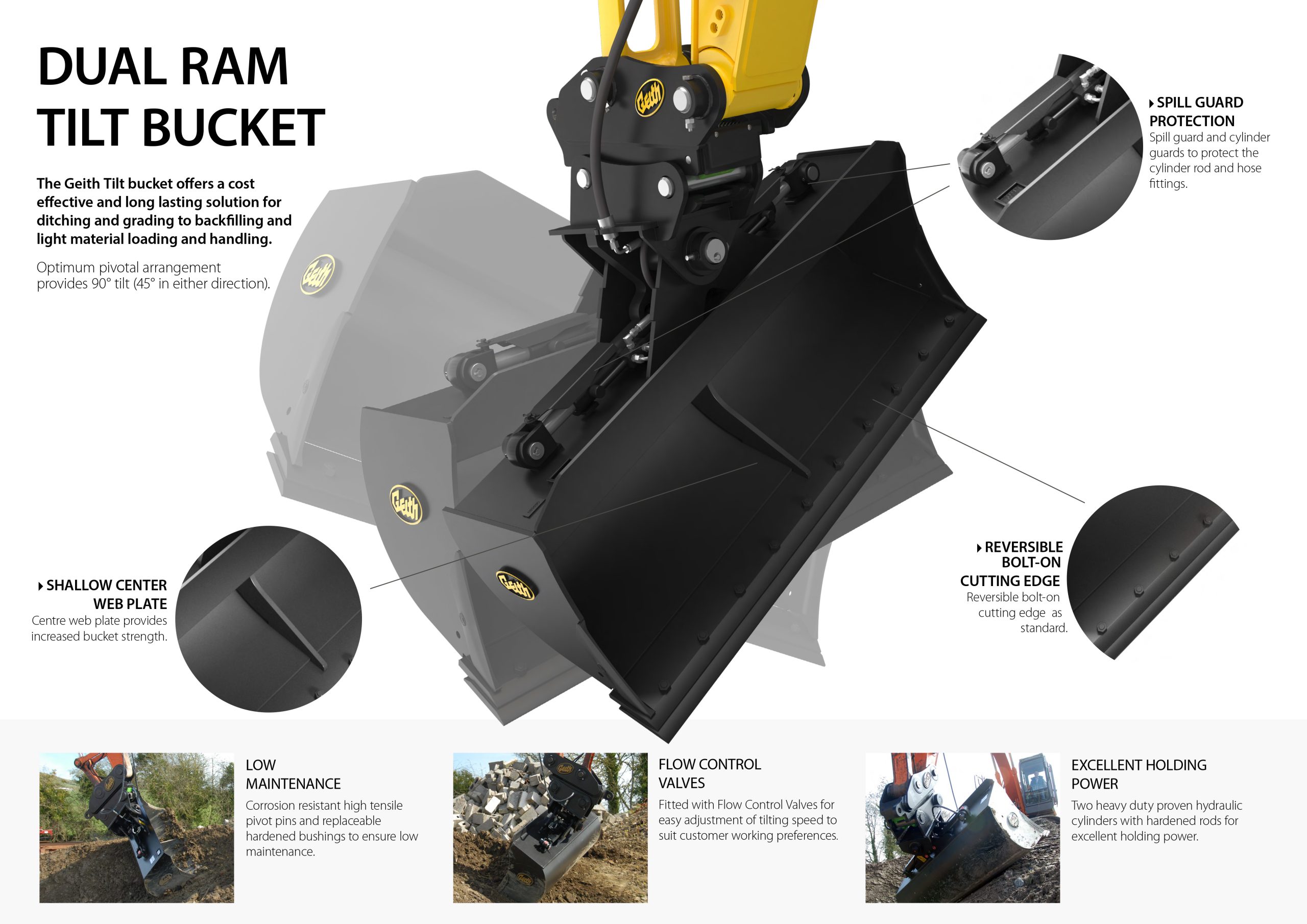
Technical documentation is far more than a collection of manuals supplied with a product. For manufacturers, it forms the foundation of effective product support, helping operators, technicians, engineers and maintenance teams understand how equipment should be installed, operated, maintained and repaired.
As products become increasingly complex, documentation also becomes more challenging to manage. Multiple product variants, frequent engineering changes, global distribution and multilingual requirements all demand a structured approach to creating and maintaining accurate information.
Technical documentation also supports the wider product lifecycle. Rather than existing as a single manual, it often includes a collection of technical publications, illustrated parts information, maintenance procedures and service documentation that evolve alongside the product itself. When managed effectively, documentation becomes a valuable business asset rather than simply another project deliverable.
This guide explains what technical documentation is, the different types of documentation manufacturers use, why it is important, and what makes technical documentation genuinely effective.
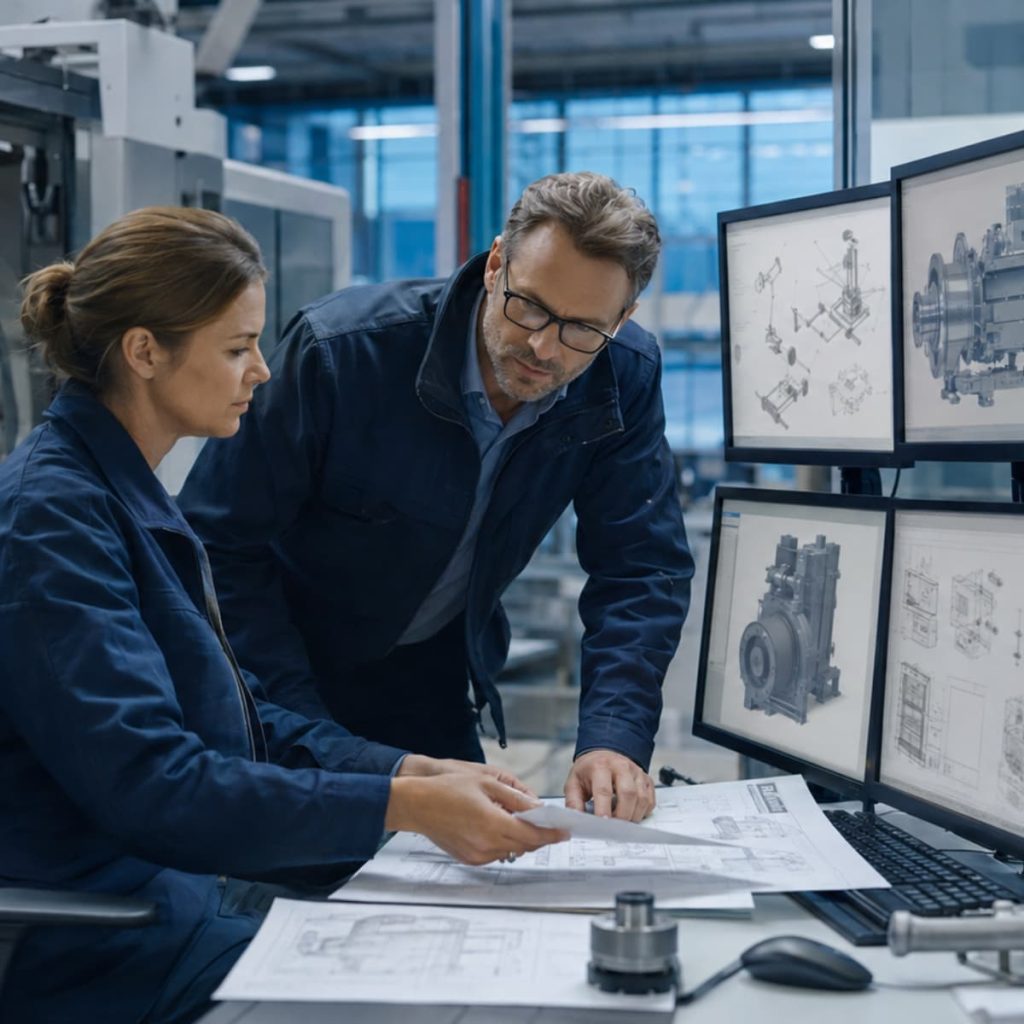
Technical documentation is the structured collection of information that explains how a product should be installed, operated, maintained, repaired or supported throughout its lifecycle.
Unlike marketing literature, technical documentation is written to help users complete practical tasks accurately and safely. It translates complex engineering information into clear guidance that can be understood by operators, maintenance engineers, service technicians and other technical audiences.
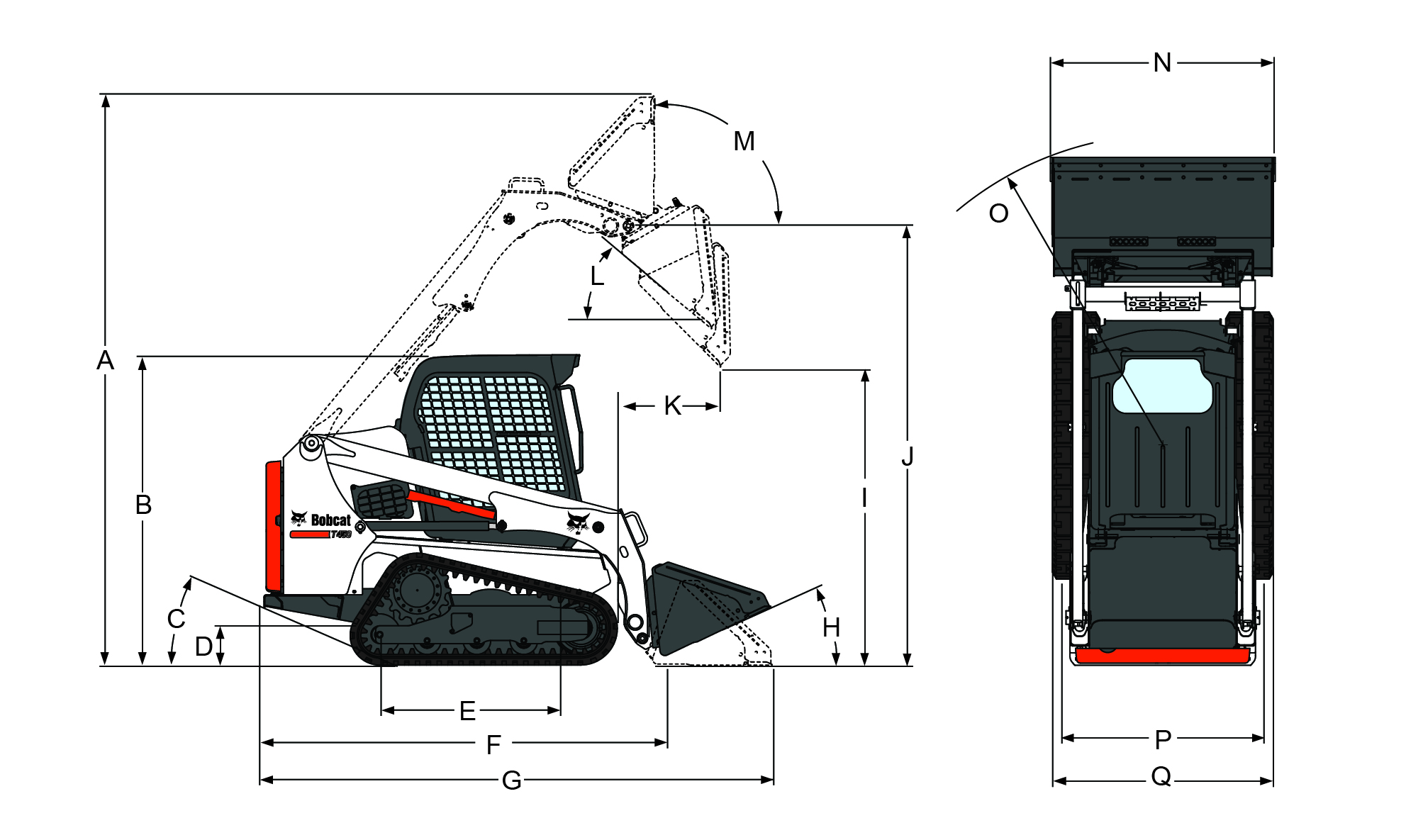
Depending on the product, technical documentation may include:
Each document serves a different purpose, but together they provide a complete information system that supports the product from manufacture through to long-term operation and maintenance.
Well-produced technical documentation provides value long after a product leaves the factory. It helps users perform tasks consistently, reduces uncertainty and ensures technical information remains accessible throughout the product’s operational life.
For manufacturers, effective documentation can improve efficiency across multiple departments. Engineering teams spend less time answering routine questions, service engineers can diagnose faults more quickly, and maintenance personnel have access to reliable procedures when equipment requires attention.
High-quality documentation also supports:
As product portfolios expand and engineering changes become more frequent, maintaining accurate documentation becomes increasingly important. A structured documentation process helps ensure information remains consistent across every publication.
We help engineering businesses turn complex information into clear, accurate documentation.
Manufacturers rarely rely on a single manual. Instead, they create a suite of technical publications designed for different audiences, tasks and stages of the product lifecycle.
Common document types include:
Operation Manuals
These explain how equipment should be operated safely and efficiently. They are typically written for end users and machine operators.
Service Manuals
Service manuals provide trained technicians with detailed repair procedures, diagnostic information, adjustment instructions and component specifications.
Maintenance Manuals
Maintenance manuals focus on preventative maintenance schedules, inspection procedures and replacement tasks that help maximise equipment reliability.
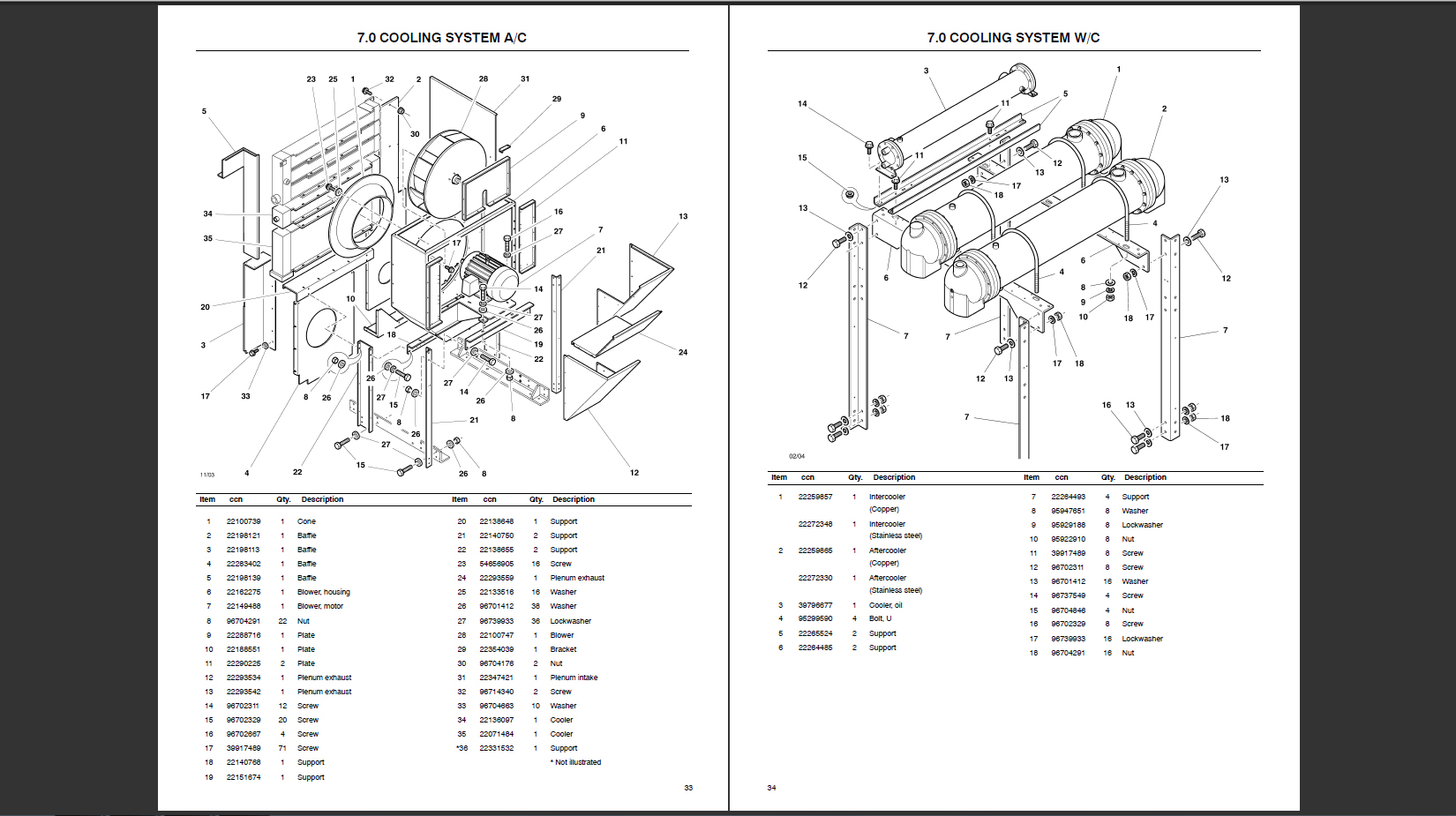
Illustrated Parts Manuals
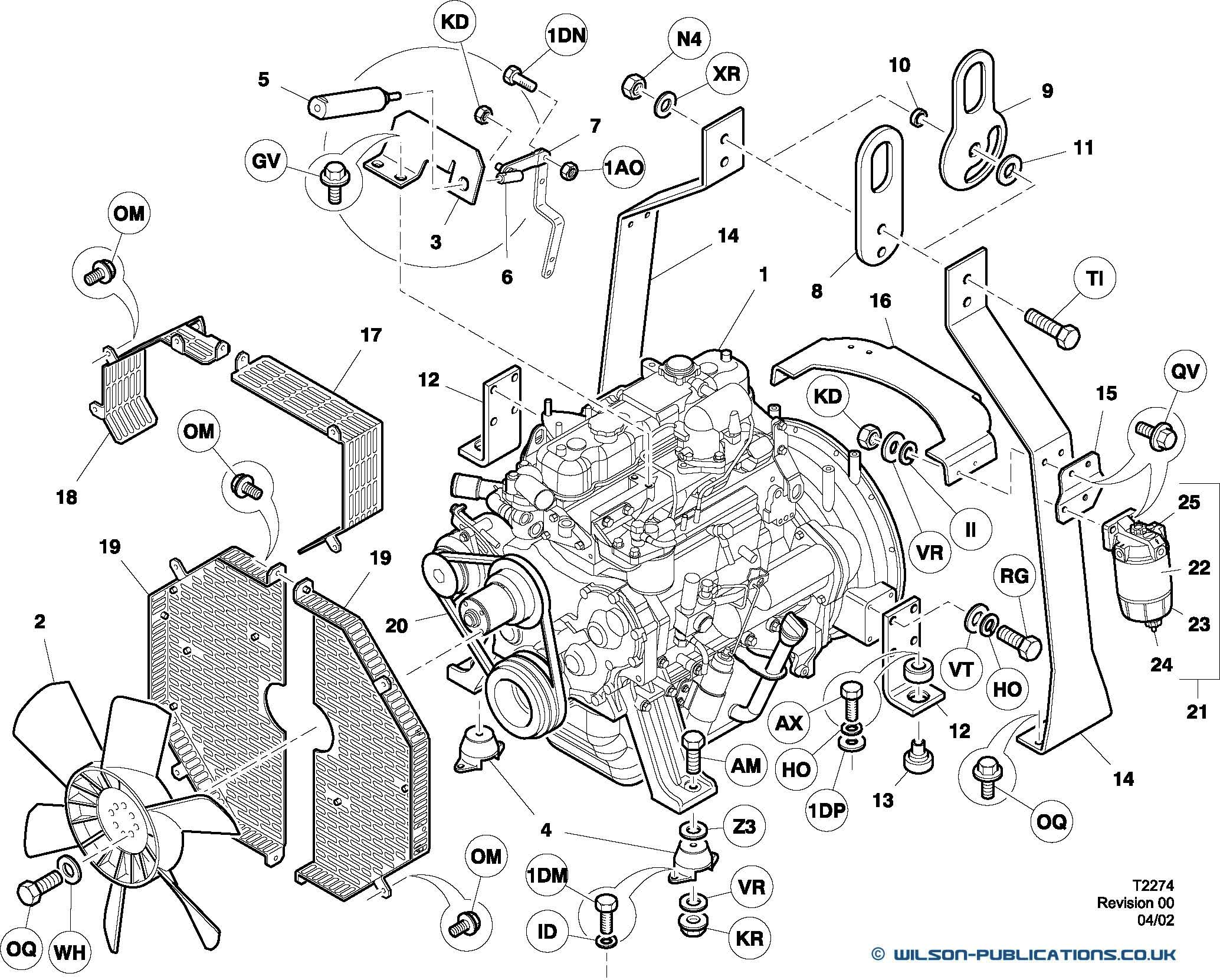
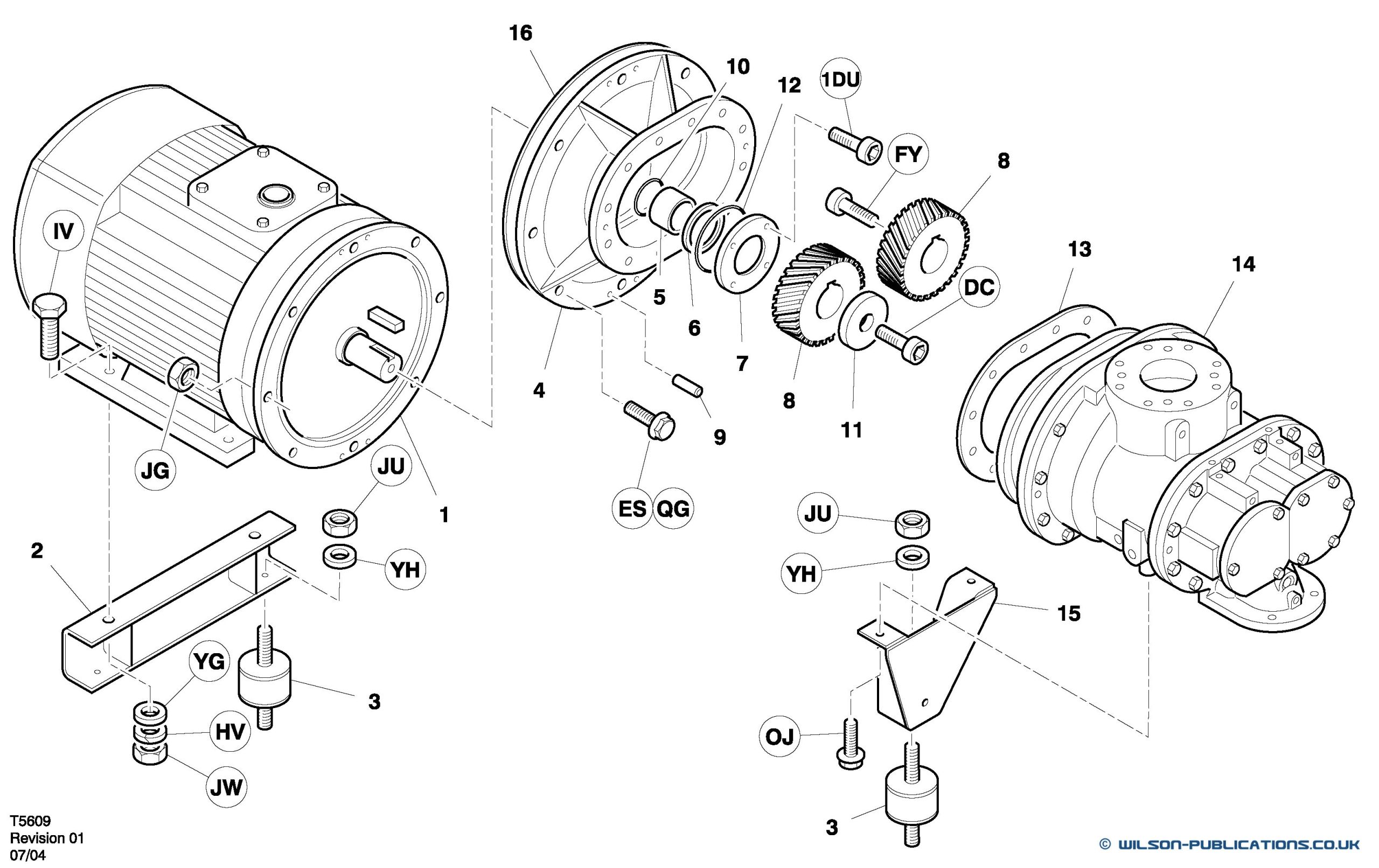
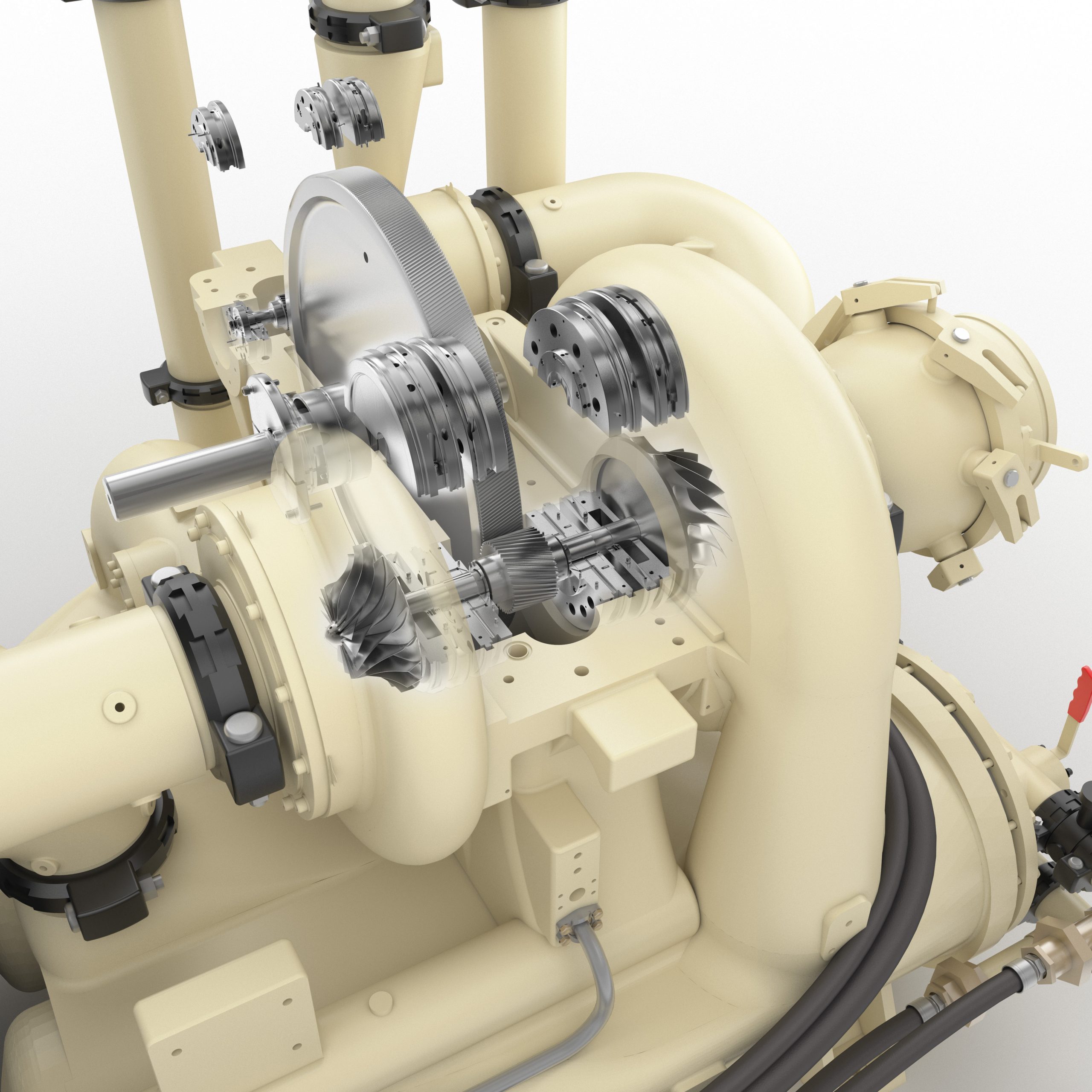
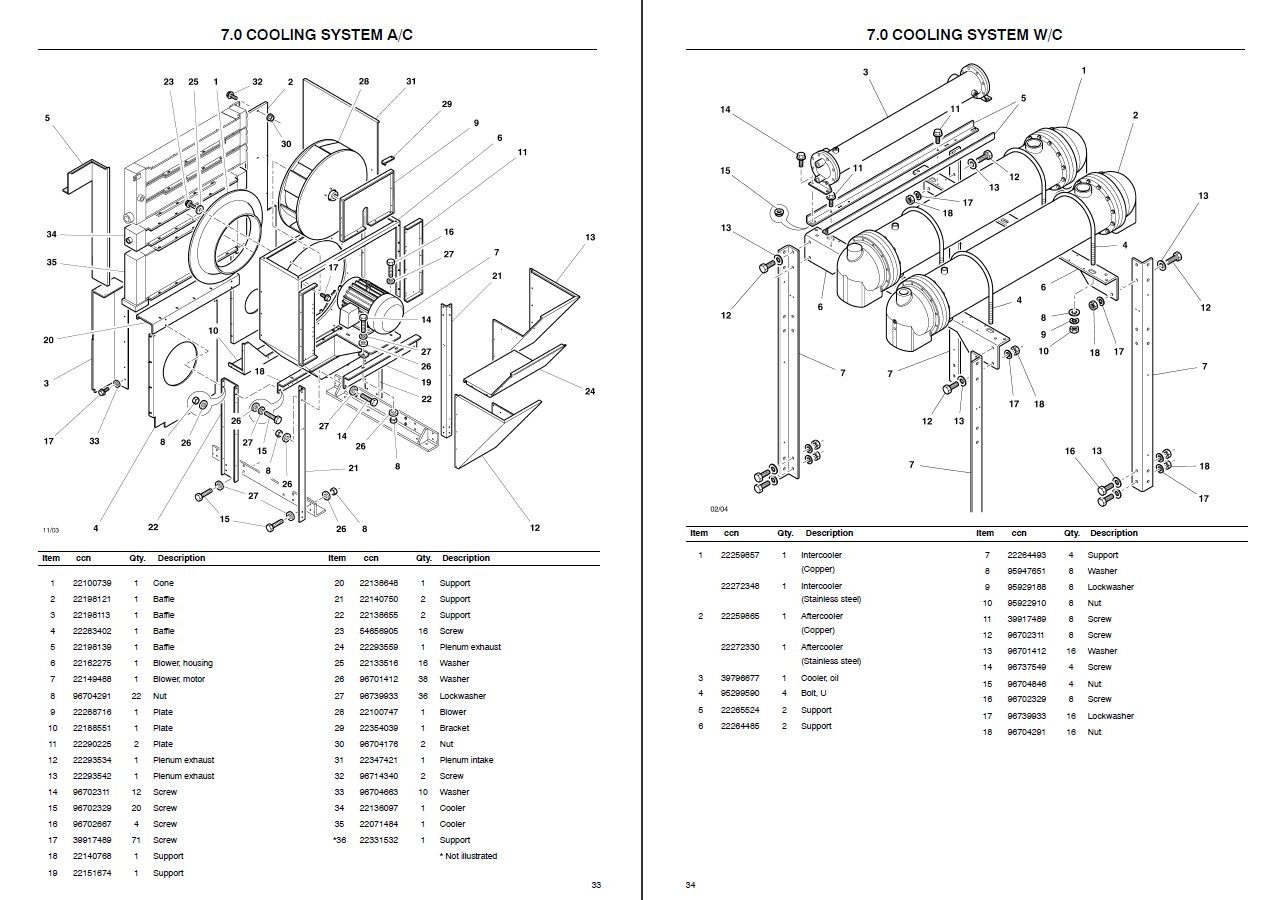
These combine technical illustrations with parts lists, allowing engineers and technicians to identify components accurately and order the correct replacement parts.
Installation Guides
Installation documentation covers commissioning, assembly and initial product setup, ensuring equipment is installed correctly before entering service.
Each publication contributes to a broader documentation ecosystem, ensuring different users receive the information they need at the appropriate stage of the product lifecycle.
Producing effective technical documentation involves much more than simply writing clear instructions. It requires an understanding of the product, the people using it and the engineering information that sits behind every procedure.
Successful documentation starts with reliable source material. Engineering drawings, CAD models, bills of materials (BOMs), technical specifications and subject matter expertise all contribute to creating accurate, consistent publications. Bringing these sources together ensures that technical information reflects the product as it is designed and manufactured.
Well-written technical documentation should be:
Many manufacturers are also moving towards structured authoring, allowing approved content to be reused across multiple manuals and publications. Rather than rewriting the same information repeatedly, structured content improves consistency while reducing the effort required to maintain documentation over time.
Technical documentation should not be viewed as a project that finishes once a product is released. Instead, it should evolve alongside the product throughout its entire lifecycle.
Engineering changes, product improvements, new variants and customer feedback all create a need to review and update documentation. Without effective document management, inconsistencies can develop between manuals, parts information and service procedures, increasing the risk of confusion for both customers and internal teams.
Managing documentation as a lifecycle asset offers several advantages:
As manufacturers develop increasingly sophisticated products, documentation becomes an essential part of the overall customer experience. Accurate technical information supports installation, operation, servicing and aftermarket support, helping organisations deliver a consistent standard of product information from first delivery through to end of life.
Technical documentation is one of the most valuable resources a manufacturer can produce. It helps operators use equipment safely, enables technicians to maintain products efficiently and supports engineering teams as products evolve over time.
Rather than viewing documentation as a final project deliverable, manufacturers increasingly recognise it as an ongoing business asset. A structured approach to creating, managing and updating technical information improves consistency, reduces duplication and ensures documentation continues to support the product throughout its lifecycle.
Whether producing operation manuals, illustrated parts information or complete technical publication suites, investing in high-quality documentation creates lasting value for both manufacturers and their customers.
Creating technical documentation for complex engineering products requires more than good writing. It demands technical understanding, structured processes and the ability to present detailed information clearly and accurately.
Wilson Publications has been supporting manufacturers and engineering organisations for more than 30 years, producing technical publications, illustrated parts manuals, technical illustrations, structured authoring solutions and multilingual documentation for complex products.
If you’re planning a new documentation project or looking to improve your existing technical information, get in touch with our team to discuss your requirements.
Technical documentation is structured information that explains how a product should be installed, operated, maintained, repaired or supported throughout its lifecycle.
Technical documentation can include operation manuals, service manuals, maintenance manuals, illustrated parts manuals, installation guides, assembly instructions, troubleshooting guides, technical specifications and safety documentation.
Technical documentation is used by operators, service technicians, maintenance engineers, installers, product support teams, spare parts departments and engineering organisations responsible for supporting complex equipment.
Effective technical documentation improves product support, reduces maintenance errors, helps users complete tasks safely and enables manufacturers to manage technical information consistently throughout the product lifecycle.
Manufacturers can improve technical documentation by implementing structured authoring, maintaining accurate engineering source data, using clear technical illustrations, applying consistent review processes and ensuring documentation is updated whenever products change.