
S1000D implementation
S1000D implementation is rarely just a documentation upgrade. It represents a structural shift in how engineering information is created, managed, and maintained across the product lifecycle.
Within defence, aerospace, and complex engineering environments, S1000D is often adopted to improve consistency, interoperability, and long-term supportability. Yet many programmes encounter delays, cost overruns, or governance challenges not because of the standard itself, but because of how it is introduced.
S1000D is not simply a publishing framework. It requires structured planning, clear content modelling, defined ownership, and alignment between text, data modules, and visual assets. Without that foundation, organisations risk recreating legacy problems inside a new system.
When approached strategically, however, S1000D becomes more than compliance. It becomes infrastructure.
Table of Contents
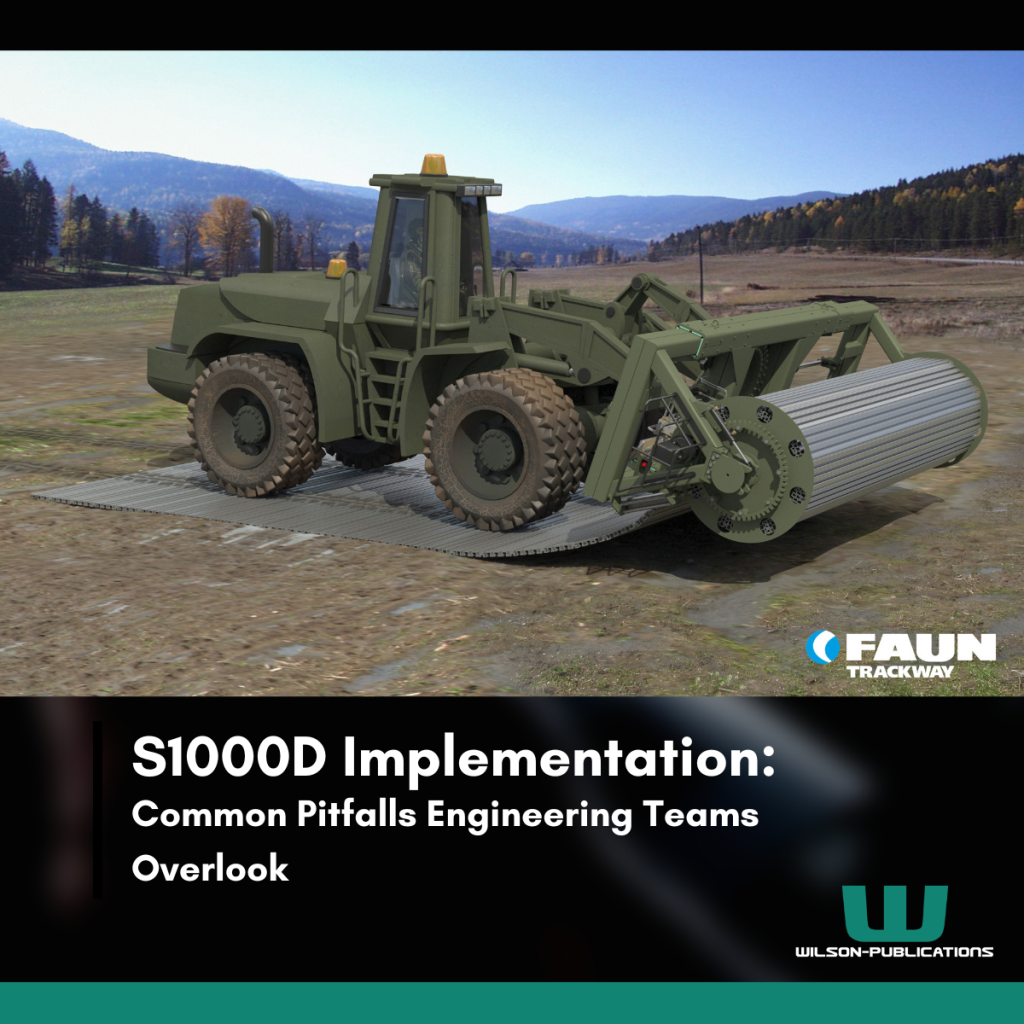
S1000D Implementation: Common Pitfalls Engineering Teams Overlook
S1000D implementation is rarely just a documentation upgrade. It is an operational shift.
Across defence, aerospace, and complex engineering sectors, S1000D is often introduced to improve consistency, interoperability, and lifecycle support. Yet many projects run into difficulty not because of the standard itself, but because of how it is approached.
When structured planning is overlooked, S1000D can become expensive, slow, and frustrating. When approached correctly, it becomes a long-term asset that supports maintainability, accuracy, and scalability.
Below are some of the most common pitfalls engineering teams encounter, and why early planning makes the difference.
1. Treating S1000D as a Formatting Exercise
One of the most common misunderstandings is assuming S1000D is primarily about document layout or XML tagging.
It is not.
S1000D is fundamentally about structured data management. It defines how information is modularised, identified, version-controlled, and reused. Implementation requires governance, information modelling, and lifecycle thinking.
Without a clear content architecture strategy, teams often find themselves applying structure mechanically rather than strategically. This leads to duplication, inconsistent data modules, and rework.
A strong foundation in structured authoring principles is essential before tooling decisions are finalised. This is where services such as Structured Authoring become critical to long-term success.
2. Underestimating Migration Complexity
Legacy manual conversion is rarely straightforward.
Many organisations underestimate the time and technical effort required to convert traditional manuals into structured S1000D-compliant data modules. Legacy documentation often includes:
Inconsistent terminology
Embedded formatting dependencies
Unstructured procedural narratives
Outdated illustration references
Blindly converting legacy content without rationalisation can result in structured chaos.
Migration should involve review, refinement, and information modelling rather than simple format conversion. This is particularly important where legacy manuals are still actively used for maintenance and operational support.
Experienced Technical Publications teams understand that content transformation is as much editorial and engineering-led as it is technical.
3. Weak Governance Frameworks
S1000D requires governance.
Without clear ownership of data modules, change management processes, and configuration control, implementation quickly becomes fragmented. Multiple stakeholders editing modules without defined roles can introduce version conflicts and structural inconsistency.
Governance gaps often lead to:
Duplicate data modules
Broken references
Audit failures
Escalating revision costs
A defined governance model should sit alongside the technical implementation plan. This ensures that documentation remains stable and auditable over time.
4. Ignoring Illustration and Visual Integration
S1000D is not text-only.
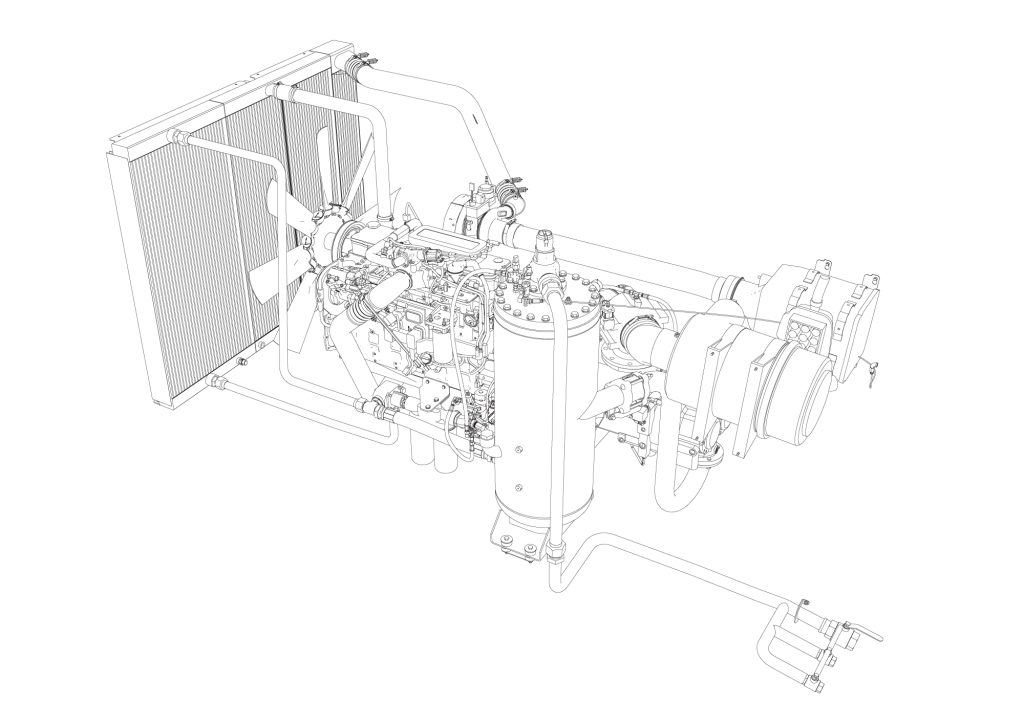
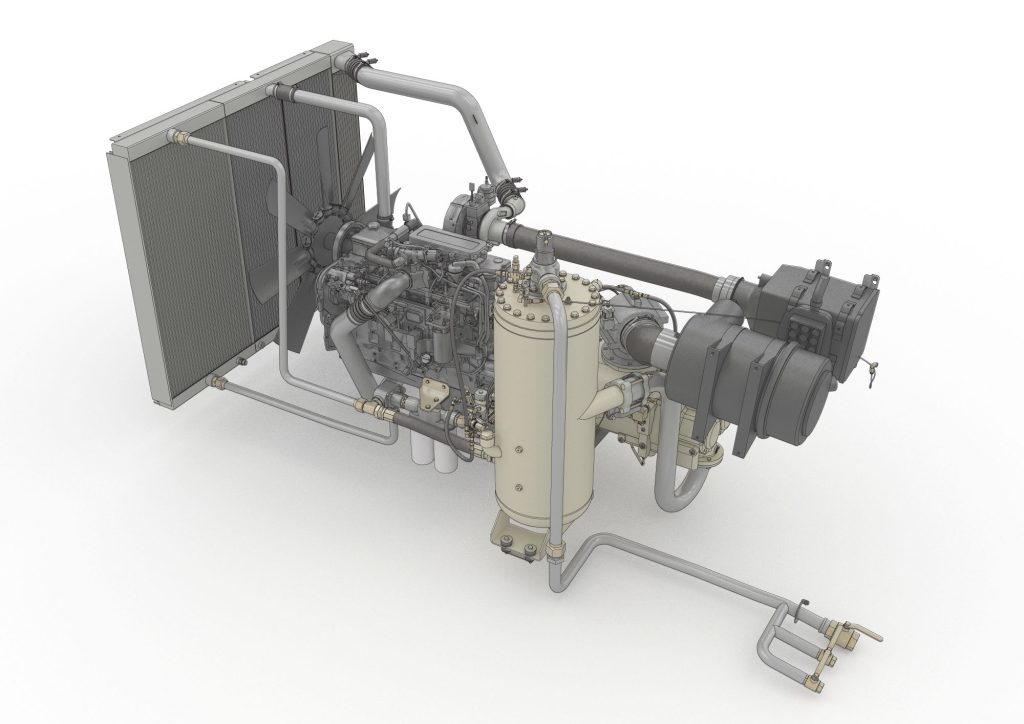
Illustrations, exploded views, and technical visuals play a central role in effective maintenance documentation. However, visual assets are often treated separately from structured data planning.
When illustration strategy is not aligned with data module architecture, teams face rework, duplication, or disconnected visuals that do not properly integrate into maintenance workflows.
Professionally developed Illustrated Parts Manuals and engineering visuals must align with structured outputs from the outset. Integration between technical illustration and structured content ensures maintainers are not navigating fragmented information sources.
Similarly, modern documentation strategies increasingly incorporate digital visual support such as 3D Visual Animations to support training and maintenance clarity. When visual strategy is planned alongside S1000D architecture, it enhances comprehension and reduces ambiguity.
5. Failing to Model Lifecycle Cost
S1000D is often adopted to reduce long-term cost. Ironically, poor implementation planning increases it.
Budget overruns commonly occur due to:
Underestimated migration effort
Rework caused by weak data modelling
Tool selection before architecture definition
Insufficient SME input planning
Delayed governance decisions
Structured planning upfront reduces revision cycles later.
When documentation is treated as lifecycle infrastructure rather than project deliverable, cost becomes more predictable and scalable.
6. Viewing Implementation as a One-Off Project
S1000D implementation is not a one-time deployment. It is an operational framework.
Teams that treat implementation as a short-term project often struggle when updates, revisions, and variant management begin. Without scalable content models, documentation becomes harder to maintain over time.
Structured authoring frameworks, defined workflows, and clearly documented processes create sustainability beyond initial rollout.
Why Structured Planning Matters
S1000D rewards preparation.
Implementation success depends on:
Clear content modelling
Governance definition
Migration rationalisation
Illustration integration
Lifecycle thinking
When these elements are aligned, S1000D supports consistency, maintainability, and audit confidence.
When they are overlooked, complexity increases quickly.
Organisations operating in regulated, defence, or aerospace environments benefit from documentation partners who understand not only the standard itself but the broader technical publication ecosystem in which it operates.
By bridging structured authoring, technical publications, illustrated parts manuals, and visual engineering support, documentation can move from compliance exercise to operational asset.

S1000D is a powerful standard.
But standards do not solve documentation challenges on their own.
Clarity of structure, governance discipline, and integration between text and visual communication are what determine long-term success.
If your organisation is reviewing its documentation architecture or preparing for structured implementation, it may be worth stepping back to assess whether the foundation is fully defined before scaling further.
Frequently Asked Questions:
S1000D is an international specification for the procurement and production of technical documentation, widely used in defence, aerospace, and complex engineering sectors. It defines how information is modularised, identified, and managed across platforms and through-life support.
It is typically adopted by organisations that require configuration control, interoperability between systems, and structured lifecycle documentation.
Cost overruns often stem from underestimated migration complexity, unclear governance models, or insufficient upfront content modelling.
When legacy manuals are converted without rationalisation, or when tooling decisions are made before architectural planning, rework increases. Structured planning and defined workflows help reduce this risk.
Conversion complexity depends on the condition and structure of the original material. Manuals with inconsistent formatting, embedded references, or outdated illustrations often require editorial review and restructuring before structured conversion.
Migration should be treated as transformation rather than direct format replication.
No. Visual assets remain central to effective maintenance documentation.
Illustrations, exploded views, and digital visualisations should align with structured data modules to ensure consistency and clarity. Integration between structured content and visual documentation improves usability and reduces ambiguity.
Successful implementation requires defined ownership of data modules, change management processes, configuration control, and revision tracking.
Without governance, data duplication, version conflicts, and audit risk can increase rapidly.
S1000D is most commonly adopted in regulated or defence-led environments where interoperability, lifecycle management, and auditability are critical.
For some organisations, structured authoring principles may be introduced first before full S1000D adoption, depending on operational needs.
Timelines vary depending on scope, legacy content volume, and governance maturity. Implementation should be approached as a phased transition rather than a single deployment event.
Clear planning, realistic scoping, and structured content modelling significantly influence timeframe.